





Search
-
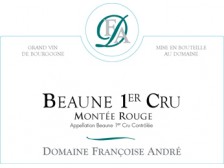
In 2010, the arrival of Lauriane André (Françoise's daughter-in-law) gave a new impetus to the family estate: 7.5 ha around the famous hill of Corton. This young winemaker had very clear ideas: conversion to biodynamic viticulture (acquired in 2012), limitation of yields, careful sorting of grapes, no yeasting, moderate use of new barrels (30% maximum). The results are already there, the magazine Bourgogne Aujourd'hui having nominated her among the 5 hopefuls of the year 2013, stating "her wines are already among the best that the Côte de Beaune can give". It must be said that her models are Patrick Bize and Jean-François Coche-Dury...
Well done! Lauriane André has been named Burgundy Winemaker of the Year in the Hachette 2023 guide: "Domaine Françoise André has established itself as an essential Côte de Beaune signature".
The 2022 vintage in the press:
Bourgogne Aujourd'hui (October–November 2025): 92/100 "Intense, brilliant colour. Open, fruity aromas: raspberries, cherries, morello cherries... The wine is very harmonious, concentrated, dense and invigorating, with good length and great aromatic purity. "
More- To keep or to drink:
- Ready to drink
- Apogée:
- 2026-2033
- Organic certification:
- 2012
- Alcohol degree:
- 13.5%
-
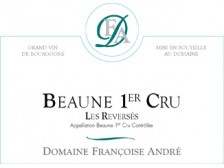
In 2010, the arrival of Lauriane André (Françoise's daughter-in-law) gave a new impetus to the family estate: 7.5 ha around the famous hill of Corton. This young winemaker had very clear ideas: conversion to biodynamic viticulture (acquired in 2012), limitation of yields, careful sorting of grapes, no yeasting, moderate use of new barrels (30% maximum). The results are already there, the magazine Bourgogne Aujourd'hui having nominated her among the 5 hopefuls of the year 2013, stating "her wines are already among the best that the Côte de Beaune can give". It must be said that her models are Patrick Bize and Jean-François Coche-Dury...
Well done! Lauriane André has been named Burgundy Winemaker of the Year in the Hachette 2023 guide: "Domaine Françoise André has established itself as an essential Côte de Beaune signature".
More- To keep or to drink:
- Ready to drink
- Apogée:
- 2022-2032
- Organic certification:
- 2012
-
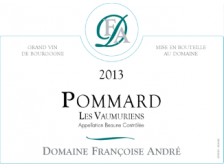
In 2010, the arrival of Lauriane André (Françoise's daughter-in-law) gave a new impetus to the family estate: 7.5 ha around the famous hill of Corton. This young winemaker had very clear ideas: conversion to biodynamic viticulture (acquired in 2012), limitation of yields, careful sorting of grapes, no yeasting, moderate use of new barrels (30% maximum). The results are already there, the magazine Bourgogne Aujourd'hui having nominated her among the 5 hopefuls of the year 2013, stating "her wines are already among the best that the Côte de Beaune can give". It must be said that her models are Patrick Bize and Jean-François Coche-Dury...
Well done! Lauriane André has been named Burgundy Winemaker of the Year in the Hachette 2023 guide: "Domaine Françoise André has established itself as an essential Côte de Beaune signature".
More- To keep or to drink:
- Ready to drink
- Apogée:
- 2026-2036
- Organic certification:
- 2012
- Alcohol degree:
- 13%
-
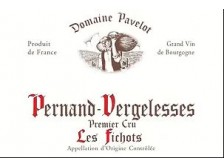
With 10 ha in the combe of Pernand-Vergelesses, Domaine Pavelot present the best facet of Burgundy: organic viticulture thought out in the respect of the viticultural tradition (manual harvest in wicker baskets, natural yeasts, vinification 30% to 50% in whole bunches, etc. ) with the tools and achievements of today's oenology (sorting on a vibrating table, precise sulphiting of the harvest, pre-fermentation maceration, etc.) and above all, prices that are the opposite of the prevailing speculation. Their whites and reds are models of style, balance and aromatic purity.
The Revue du Vin de France rightly hails the work accomplished by Luc Pavelot in recent vintages: “All his 2022s are intense, fragrant, with incredible density of fruit. Pure marvels with an exceptional price/pleasure ratio”.
Awarded one star in the 2026 Guide of the Revue du Vin de France.
The 2023 vintage in the press:
La Revue du Vin de France (Guide 2026): 93/100 "Slightly reduced on the nose, Les Fichots evokes brambles and tart fruit. Its pure, intense fruit reveals an almost rocky sensation despite its soft, silky flesh. A wine to keep in the cellar for at least five years."
More- To keep or to drink:
- Wait 1 to 2 years
- Apogée:
- 2028-2035
- Organic certification:
- 2009
- Alcohol degree:
- 13.5%
-
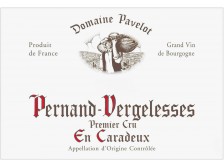
With 10 ha in the combe of Pernand-Vergelesses, Domaine Pavelot present the best facet of Burgundy: organic viticulture thought out in the respect of the viticultural tradition (manual harvest in wicker baskets, natural yeasts, vinification 30% to 50% in whole bunches, etc. ) with the tools and achievements of today's oenology (sorting on a vibrating table, precise sulphiting of the harvest, pre-fermentation maceration, etc.) and above all, prices that are the opposite of the prevailing speculation. Their whites and reds are models of style, balance and aromatic purity.
The Revue du Vin de France rightly hails the work accomplished by Luc Pavelot in recent vintages: “All his 2022s are intense, fragrant, with incredible density of fruit. Pure marvels with an exceptional price/pleasure ratio”.
Awarded one star in the 2026 Guide of the Revue du Vin de France.
The 2023 vintage in the press:
Bourgogne Aujourd'hui (September 2024): 16.5/20 “Beautiful deep nose of black fruits, blueberries, blackberry jam, a hint of smoke. The palate is balanced, dense, rich, velvety-textured, suave, with beautiful, well-melted notes of breeding.”
Bettane + Desseauve (Guide 2026) : 92/100
More- To keep or to drink:
- Wait 1 to 2 years
- Apogée:
- 2027-2035
- Organic certification:
- 2009
- Alcohol degree:
- 13%
-
With 10 ha in the combe of Pernand-Vergelesses, Domaine Pavelot present the best facet of Burgundy: organic viticulture thought out in the respect of the viticultural tradition (manual harvest in wicker baskets, natural yeasts, vinification 30% to 50% in whole bunches, etc. ) with the tools and achievements of today's oenology (sorting on a vibrating table, precise sulphiting of the harvest, pre-fermentation maceration, etc.) and above all, prices that are the opposite of the prevailing speculation. Their whites and reds are models of style, balance and aromatic purity.
The Revue du Vin de France rightly hails the work accomplished by Luc Pavelot in recent vintages: “All his 2022s are intense, fragrant, with incredible density of fruit. Pure marvels with an exceptional price/pleasure ratio”.
Awarded one star in the 2026 Guide of the Revue du Vin de France.
The 2022 vintage in the reviews :
La Revue du Vin de France (Guide 2026) : 95/100 "In Caradeux, a first growth with a refined approach, but with a tight structure – an iron fist in a velvet glove – and a juice of great purity."
Bettane + Desseauve (Guide 2026) : 93/100
More- To keep or to drink:
- Wait 1 to 2 years
- Apogée:
- 2027-2035
- Organic certification:
- 2009
- Alcohol degree:
- 13%
-
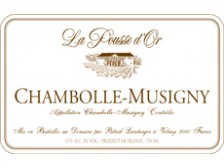
La Pousse d'Or was the flagship estate of the Côte de Beaune from the 1960s until the death of Mr. Gérard Potel in 1996. After a difficult recovery, La Pousse d'Or regains its letters of nobility since 2009 by producing generous, deep and complex wines, from very ripe harvests. The estate expanded in 2008 with the judicious acquisition of very beautiful plots of land in Chambolle-Musigny (formerly the Moine-Hudelot estate) and Morey-Saint-Denis (formerly the Louis Rémy estate).
Rated one star in the 2021 Revue du Vin de France guide.More- To keep or to drink:
- Wait 1 to 2 years
- Apogée:
- 2027-2033
-
La Pousse d'Or was the flagship estate of the Côte de Beaune from the 1960s until the death of Mr. Gérard Potel in 1996. After a difficult recovery, La Pousse d'Or regains its letters of nobility since 2009 by producing generous, deep and complex wines, from very ripe harvests. The estate expanded in 2008 with the judicious acquisition of very beautiful plots of land in Chambolle-Musigny (formerly the Moine-Hudelot estate) and Morey-Saint-Denis (formerly the Louis Rémy estate).
Rated one star in the 2021 Revue du Vin de France guide.More- To keep or to drink:
- Wait 1 to 2 years
- Apogée:
- 2027-2035
-
La Pousse d'Or was the flagship estate of the Côte de Beaune from the 1960s until the death of Mr. Gérard Potel in 1996. After a difficult recovery, La Pousse d'Or regains its letters of nobility since 2009 by producing generous, deep and complex wines, from very ripe harvests. The estate expanded in 2008 with the judicious acquisition of very beautiful plots of land in Chambolle-Musigny (formerly the Moine-Hudelot estate) and Morey-Saint-Denis (formerly the Louis Rémy estate).
Rated one star in the 2021 Revue du Vin de France guide.More- To keep or to drink:
- Ready to drink
- Apogée:
- 2026-2035
-
La Pousse d'Or was the flagship estate of the Côte de Beaune from the 1960s until the death of Mr. Gérard Potel in 1996. After a difficult recovery, La Pousse d'Or regains its letters of nobility since 2009 by producing generous, deep and complex wines, from very ripe harvests. The estate expanded in 2008 with the judicious acquisition of very beautiful plots of land in Chambolle-Musigny (formerly the Moine-Hudelot estate) and Morey-Saint-Denis (formerly the Louis Rémy estate).
Rated one star in the 2021 Revue du Vin de France guide.More- To keep or to drink:
- Ready to drink
- Apogée:
- 2020-2030
-
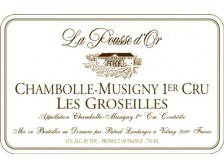
La Pousse d'Or was the flagship estate of the Côte de Beaune from the 1960s until the death of Mr. Gérard Potel in 1996. After a difficult recovery, La Pousse d'Or regains its letters of nobility since 2009 by producing generous, deep and complex wines, from very ripe harvests. The estate expanded in 2008 with the judicious acquisition of very beautiful plots of land in Chambolle-Musigny (formerly the Moine-Hudelot estate) and Morey-Saint-Denis (formerly the Louis Rémy estate).
Rated one star in the 2021 Revue du Vin de France guide.More- To keep or to drink:
- Wait 3 to 5 years
- Apogée:
- 2030-2037
-
La Pousse d'Or was the flagship estate of the Côte de Beaune from the 1960s until the death of Mr. Gérard Potel in 1996. After a difficult recovery, La Pousse d'Or regains its letters of nobility since 2009 by producing generous, deep and complex wines, from very ripe harvests. The estate expanded in 2008 with the judicious acquisition of very beautiful plots of land in Chambolle-Musigny (formerly the Moine-Hudelot estate) and Morey-Saint-Denis (formerly the Louis Rémy estate).
Rated one star in the 2021 Revue du Vin de France guide.More- To keep or to drink:
- Wait 1 to 2 years
- Apogée:
- 2027-2037
-
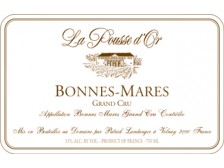
La Pousse d'Or was the flagship estate of the Côte de Beaune from the 1960s until the death of Mr. Gérard Potel in 1996. After a difficult recovery, La Pousse d'Or regains its letters of nobility since 2009 by producing generous, deep and complex wines, from very ripe harvests. The estate expanded in 2008 with the judicious acquisition of very beautiful plots of land in Chambolle-Musigny (formerly the Moine-Hudelot estate) and Morey-Saint-Denis (formerly the Louis Rémy estate).
Rated one star in the 2021 Revue du Vin de France guide.More- To keep or to drink:
- Wait 5 to 10 years
- Apogée:
- 2032-2045
-
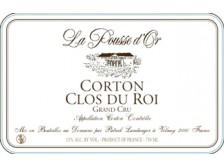
La Pousse d'Or was the flagship estate of the Côte de Beaune from the 1960s until the death of Mr. Gérard Potel in 1996. After a difficult recovery, La Pousse d'Or regains its letters of nobility since 2009 by producing generous, deep and complex wines, from very ripe harvests. The estate expanded in 2008 with the judicious acquisition of very beautiful plots of land in Chambolle-Musigny (formerly the Moine-Hudelot estate) and Morey-Saint-Denis (formerly the Louis Rémy estate).
Rated one star in the 2021 Revue du Vin de France guide.More- To keep or to drink:
- Wait 1 to 2 years
- Apogée:
- 2028-2038
-
La Pousse d'Or was the flagship estate of the Côte de Beaune from the 1960s until the death of Mr. Gérard Potel in 1996. After a difficult recovery, La Pousse d'Or regains its letters of nobility since 2009 by producing generous, deep and complex wines, from very ripe harvests. The estate expanded in 2008 with the judicious acquisition of very beautiful plots of land in Chambolle-Musigny (formerly the Moine-Hudelot estate) and Morey-Saint-Denis (formerly the Louis Rémy estate).
Rated one star in the 2021 Revue du Vin de France guide.More- To keep or to drink:
- Wait 3 to 5 years
- Apogée:
- 2030-2040
-
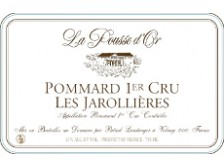
La Pousse d'Or was the flagship estate of the Côte de Beaune from the 1960s until the death of Mr. Gérard Potel in 1996. After a difficult recovery, La Pousse d'Or regains its letters of nobility since 2009 by producing generous, deep and complex wines, from very ripe harvests. The estate expanded in 2008 with the judicious acquisition of very beautiful plots of land in Chambolle-Musigny (formerly the Moine-Hudelot estate) and Morey-Saint-Denis (formerly the Louis Rémy estate).
Rated one star in the 2021 Revue du Vin de France guide.More- To keep or to drink:
- Wait 1 to 2 years
- Apogée:
- 2027-2037
-
La Pousse d'Or was the flagship estate of the Côte de Beaune from the 1960s until the death of Mr. Gérard Potel in 1996. After a difficult recovery, La Pousse d'Or regains its letters of nobility since 2009 by producing generous, deep and complex wines, from very ripe harvests. The estate expanded in 2008 with the judicious acquisition of very beautiful plots of land in Chambolle-Musigny (formerly the Moine-Hudelot estate) and Morey-Saint-Denis (formerly the Louis Rémy estate).
Rated one star in the 2021 Revue du Vin de France guide.The 2022 vintage in the press :
Bourgogne Ajourd'hui (April - May 2025): 90/100 "Aromas of black fruit, mocha, flowers.... Fruity on the palate, tender, with finesse and good balance."
More- To keep or to drink:
- Wait 3 to 5 years
- Apogée:
- 2030-2042
-
La Pousse d'Or was the flagship estate of the Côte de Beaune from the 1960s until the death of Mr. Gérard Potel in 1996. After a difficult recovery, La Pousse d'Or regains its letters of nobility since 2009 by producing generous, deep and complex wines, from very ripe harvests. The estate expanded in 2008 with the judicious acquisition of very beautiful plots of land in Chambolle-Musigny (formerly the Moine-Hudelot estate) and Morey-Saint-Denis (formerly the Louis Rémy estate).
Rated one star in the 2021 Revue du Vin de France guide.More- To keep or to drink:
- Wait 1 to 2 years
- Apogée:
- 2028-2039
-
La Pousse d'Or was the flagship estate of the Côte de Beaune from the 1960s until the death of Mr. Gérard Potel in 1996. After a difficult recovery, La Pousse d'Or regains its letters of nobility since 2009 by producing generous, deep and complex wines, from very ripe harvests. The estate expanded in 2008 with the judicious acquisition of very beautiful plots of land in Chambolle-Musigny (formerly the Moine-Hudelot estate) and Morey-Saint-Denis (formerly the Louis Rémy estate).
Rated one star in the 2021 Revue du Vin de France guide.More- To keep or to drink:
- Wait 1 to 2 years
- Apogée:
- 2028-2040
-
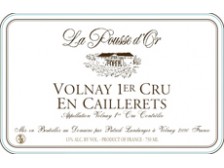
La Pousse d'Or was the flagship estate of the Côte de Beaune from the 1960s until the death of Mr. Gérard Potel in 1996. After a difficult recovery, La Pousse d'Or regains its letters of nobility since 2009 by producing generous, deep and complex wines, from very ripe harvests. The estate expanded in 2008 with the judicious acquisition of very beautiful plots of land in Chambolle-Musigny (formerly the Moine-Hudelot estate) and Morey-Saint-Denis (formerly the Louis Rémy estate).
Rated one star in the 2021 Revue du Vin de France guide.More- To keep or to drink:
- Wait 1 to 2 years
- Apogée:
- 2028-2038
-
La Pousse d'Or was the flagship estate of the Côte de Beaune from the 1960s until the death of Mr. Gérard Potel in 1996. After a difficult recovery, La Pousse d'Or regains its letters of nobility since 2009 by producing generous, deep and complex wines, from very ripe harvests. The estate expanded in 2008 with the judicious acquisition of very beautiful plots of land in Chambolle-Musigny (formerly the Moine-Hudelot estate) and Morey-Saint-Denis (formerly the Louis Rémy estate).
Rated one star in the 2021 Revue du Vin de France guide.The 2022 vintage in the press:
Bourgogne Aujourd'hui (August 2024): 16.5/20 “Deep garnet robe. Concentrated, flattering aromas of ripe red and black fruit. Fleshy, dense, pulpy, silky mouthfeel, with omnipresent fruitiness and good balance.”
More- To keep or to drink:
- Wait 1 to 2 years
- Apogée:
- 2028-2040
-
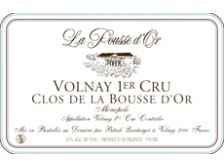
La Pousse d'Or was the flagship estate of the Côte de Beaune from the 1960s until the death of Mr. Gérard Potel in 1996. After a difficult recovery, La Pousse d'Or regains its letters of nobility since 2009 by producing generous, deep and complex wines, from very ripe harvests. The estate expanded in 2008 with the judicious acquisition of very beautiful plots of land in Chambolle-Musigny (formerly the Moine-Hudelot estate) and Morey-Saint-Denis (formerly the Louis Rémy estate).
Rated one star in the 2021 Revue du Vin de France guide.More- To keep or to drink:
- Wait 3 to 5 years
- Apogée:
- 2030-2044
-
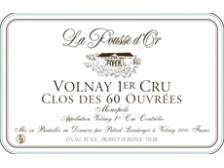
La Pousse d'Or was the flagship estate of the Côte de Beaune from the 1960s until the death of Mr. Gérard Potel in 1996. After a difficult recovery, La Pousse d'Or regains its letters of nobility since 2009 by producing generous, deep and complex wines, from very ripe harvests. The estate expanded in 2008 with the judicious acquisition of very beautiful plots of land in Chambolle-Musigny (formerly the Moine-Hudelot estate) and Morey-Saint-Denis (formerly the Louis Rémy estate).
Rated one star in the 2021 Revue du Vin de France guide.More- To keep or to drink:
- Wait 3 to 5 years
- Apogée:
- 2030-2044
-
La Pousse d'Or was the flagship estate of the Côte de Beaune from the 1960s until the death of Mr. Gérard Potel in 1996. After a difficult recovery, La Pousse d'Or regains its letters of nobility since 2009 by producing generous, deep and complex wines, from very ripe harvests. The estate expanded in 2008 with the judicious acquisition of very beautiful plots of land in Chambolle-Musigny (formerly the Moine-Hudelot estate) and Morey-Saint-Denis (formerly the Louis Rémy estate).
Rated one star in the 2021 Revue du Vin de France guide.The 2022 vintage in the press:
Bourgogne Aujourd'hui (August 2024): 17/20 “Rich, slightly ‘solar’ aromas of black fruits, garrigue, olives, violets... Generous, dense, full and juicy on the palate, with a pure, mineral finish”.
More- To keep or to drink:
- Wait 3 to 5 years
- Apogée:
- 2030-2045
-
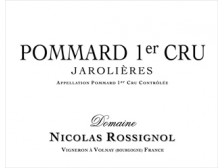
In 1997, inspired by the principles of biodynamic viticulture and with a superb plant heritage on the best vineyards of Volnay and Pommard, Nicolas Rossignol began to produce sensitive, pure and slender wines in the great Burgundian style, but with a touch of modernity that gives them depth, grace and seduction. Rich and tasty, his wines win everyone's approval, starting with those of Mr. Bettane: "Nicolas Rossignol is certainly one of the most promising talents of his generation in the Côte de Beaune. We are approaching the quintessence of the Côte de Beaune".
More- To keep or to drink:
- Ready to drink
- Apogée:
- 2026-2040
- Alcohol degree:
- 13.5%
-
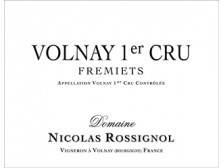
In 1997, inspired by the principles of biodynamic viticulture and with a superb plant heritage on the best vineyards of Volnay and Pommard, Nicolas Rossignol began to produce sensitive, pure and slender wines in the great Burgundian style, but with a touch of modernity that gives them depth, grace and seduction. Rich and tasty, his wines win everyone's approval, starting with those of Mr. Bettane: "Nicolas Rossignol is certainly one of the most promising talents of his generation in the Côte de Beaune. We are approaching the quintessence of the Côte de Beaune".
More- To keep or to drink:
- Ready to drink
- Apogée:
- 2026-2036
- Alcohol degree:
- 13.5%
-
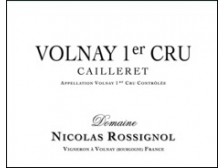
In 1997, inspired by the principles of biodynamic viticulture and with a superb plant heritage on the best vineyards of Volnay and Pommard, Nicolas Rossignol began to produce sensitive, pure and slender wines in the great Burgundian style, but with a touch of modernity that gives them depth, grace and seduction. Rich and tasty, his wines win everyone's approval, starting with those of Mr. Bettane: "Nicolas Rossignol is certainly one of the most promising talents of his generation in the Côte de Beaune. We are approaching the quintessence of the Côte de Beaune".
More- To keep or to drink:
- Ready to drink
- Apogée:
- 2025-2038
- Alcohol degree:
- 14.5%
-

Aubert de Villaine, the emblematic co-owner and manager of La Romanée-Conti, lives and works in Bouzeron, the first village south of the Côte de Beaune, on his Domaine acquired in 1971. Assisted since 2003 by his nephew Pierre de Benoist, he practises the same high-flying viticulture as at La Romanée-Conti, combining tradition, openness, purity, rigour and organic cultivation (since 1986). Thank you to Mr de Villaine for championing both premium Burgundy and artisan Burgundy with the same passion and commitment.
Awarded two stars in the 2027 edition of the Revue du Vin de France guide: “These wines epitomise the excellence of the Chalonnais region, and their quality has never been so refined ”.
More- To keep or to drink:
- Wait 1 to 2 years
- Apogée:
- 2028-2038
- Organic certification:
- 1986
-
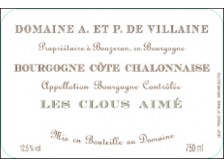
It is in Bouzeron (the first village in the south of the Côte de Beaune) that Aubert de Villaine, emblematic co-owner and manager of La Romanée-Conti, lives and works as a winegrower in his estate acquired in 1971. Assisted since 2003 by his nephew Pierre de Benoist, he practices the same high-flying viticulture as at La Romanée-Conti, combining tradition, openness, purity, rigour and organic farming (since 1986). Thank you to Mr. de Villaine for defending with the same passion the elite Burgundy and the artisan Burgundy.
Awarded two stars in the 2027 edition of the Revue du Vin de France guide: “These wines epitomise the excellence of the Chalonnais region, and their quality has never been so refined ”.
The 2023 vintage in the press :
La Revue du Vin de France (Guide 2027) : 91/100 “Full-bodied and easy to drink, with a delicate texture on the finish.”
More- To keep or to drink:
- Wait 1 to 2 years
- Apogée:
- 2028-2035
- Organic certification:
- 1986
-
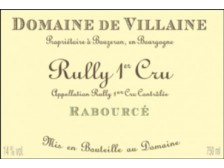
Aubert de Villaine, the emblematic co-owner and manager of La Romanée-Conti, lives and works in Bouzeron, the first village south of the Côte de Beaune, on his Domaine acquired in 1971. Assisted since 2003 by his nephew Pierre de Benoist, he practises the same high-flying viticulture as at La Romanée-Conti, combining tradition, openness, purity, rigour and organic cultivation (since 1986). Thank you to Mr de Villaine for championing both premium Burgundy and artisan Burgundy with the same passion and commitment.
Awarded two stars in the 2027 edition of the Revue du Vin de France guide: “These wines epitomise the excellence of the Chalonnais region, and their quality has never been so refined ”.
The 2023 vintage in the press :
La Revue du Vin de France (Guide 2027) : 93/100 “Rabourcé impresses with its richness and authenticity of flavour, with a lovely concentration derived from its dry matter content.”
More- To keep or to drink:
- Wait 1 to 2 years
- Apogée:
- 2028-2036
- Organic certification:
- 1986