





Search
-
Aubert de Villaine, the emblematic co-owner and manager of La Romanée-Conti, lives and works in Bouzeron, the first village south of the Côte de Beaune, on his Domaine acquired in 1971. Assisted since 2003 by his nephew Pierre de Benoist, he practises the same high-flying viticulture as at La Romanée-Conti, combining tradition, openness, purity, rigour and organic cultivation (since 1986). Thank you to Mr de Villaine for championing both premium Burgundy and artisan Burgundy with the same passion and commitment.
Awarded two stars in the 2027 edition of the Revue du Vin de France guide: “These wines epitomise the excellence of the Chalonnais region, and their quality has never been so refined ”.
The 2022 vintage in the press:
La Revue du Vin de France (Guide 2026) : 92/100 "Vigorous but overly reliant on its ageing."
More- To keep or to drink:
- Wait 1 to 2 years
- Apogée:
- 2028-2038
- Alcohol degree:
- 14%
-

Aubert de Villaine, the emblematic co-owner and manager of La Romanée-Conti, lives and works in Bouzeron, the first village south of the Côte de Beaune, on his Domaine acquired in 1971. Assisted since 2003 by his nephew Pierre de Benoist, he practises the same high-flying viticulture as at La Romanée-Conti, combining tradition, openness, purity, rigour and organic cultivation (since 1986). Thank you to Mr de Villaine for championing both premium Burgundy and artisan Burgundy with the same passion and commitment.
Awarded two stars in the 2027 edition of the Revue du Vin de France guide: “These wines epitomise the excellence of the Chalonnais region, and their quality has never been so refined ”.
The 2023 vintage in the press:
La Revue du Vin de France (Guide 2027): 94/100 “Les Margotés display great refinement, characterised by notes of verbena, a soft texture and subtle bitter notes on the finish.”
More- To keep or to drink:
- Wait 1 to 2 years
- Apogée:
- 2028-2036
- Organic certification:
- 1986
-

Aubert de Villaine, the emblematic co-owner and manager of La Romanée-Conti, lives and works in Bouzeron, the first village south of the Côte de Beaune, on his Domaine acquired in 1971. Assisted since 2003 by his nephew Pierre de Benoist, he practises the same high-flying viticulture as at La Romanée-Conti, combining tradition, openness, purity, rigour and organic cultivation (since 1986). Thank you to Mr de Villaine for championing both premium Burgundy and artisan Burgundy with the same passion and commitment.
Awarded two stars in the 2027 edition of the Revue du Vin de France guide: “These wines epitomise the excellence of the Chalonnais region, and their quality has never been so refined ”.
More- To keep or to drink:
- Wait 1 to 2 years
- Apogée:
- 2028-2036
- Organic certification:
- 1986
-
Aubert de Villaine, the emblematic co-owner and manager of La Romanée-Conti, lives and works in Bouzeron, the first village south of the Côte de Beaune, on his Domaine acquired in 1971. Assisted since 2003 by his nephew Pierre de Benoist, he practises the same high-flying viticulture as at La Romanée-Conti, combining tradition, openness, purity, rigour and organic cultivation (since 1986). Thank you to Mr de Villaine for championing both premium Burgundy and artisan Burgundy with the same passion and commitment.
Awarded two stars in the 2027 edition of the Revue du Vin de France guide: “These wines epitomise the excellence of the Chalonnais region, and their quality has never been so refined ”.
More- To keep or to drink:
- Wait 1 to 2 years
- Apogée:
- 2028-2038
- Alcohol degree:
- 14.5%
-
Aubert de Villaine, the emblematic co-owner and manager of La Romanée-Conti, lives and works in Bouzeron, the first village south of the Côte de Beaune, on his Domaine acquired in 1971. Assisted since 2003 by his nephew Pierre de Benoist, he practises the same high-flying viticulture as at La Romanée-Conti, combining tradition, openness, purity, rigour and organic cultivation (since 1986). Thank you to Mr de Villaine for championing both premium Burgundy and artisan Burgundy with the same passion and commitment.
Awarded two stars in the 2027 edition of the Revue du Vin de France guide: “These wines epitomise the excellence of the Chalonnais region, and their quality has never been so refined ”.
More- To keep or to drink:
- Ready to drink
- Apogée:
- 2026-2040
- Alcohol degree:
- 14%
-
Aubert de Villaine, the emblematic co-owner and manager of La Romanée-Conti, lives and works in Bouzeron, the first village south of the Côte de Beaune, on his Domaine acquired in 1971. Assisted since 2003 by his nephew Pierre de Benoist, he practises the same high-flying viticulture as at La Romanée-Conti, combining tradition, openness, purity, rigour and organic cultivation (since 1986). Thank you to Mr de Villaine for championing both premium Burgundy and artisan Burgundy with the same passion and commitment.
Awarded two stars in the 2027 edition of the Revue du Vin de France guide: “These wines epitomise the excellence of the Chalonnais region, and their quality has never been so refined ”.
The 2023 vintage in the press :
La Revue du Vin de France (Guide 2027) : 95/100 Coup de ♥ “Notes of fresh nougat and citrus peel in Les Cloux, which combines depth and vitality: a structured white wine, well-suited to ageing, that shines in its own right.”
More- To keep or to drink:
- Wait 3 to 5 years
- Apogée:
- 2028-2042
-
Aubert de Villaine, the emblematic co-owner and manager of La Romanée-Conti, lives and works in Bouzeron, the first village south of the Côte de Beaune, on his Domaine acquired in 1971. Assisted since 2003 by his nephew Pierre de Benoist, he practises the same high-flying viticulture as at La Romanée-Conti, combining tradition, openness, purity, rigour and organic cultivation (since 1986). Thank you to Mr de Villaine for championing both premium Burgundy and artisan Burgundy with the same passion and commitment.
Awarded two stars in the 2027 edition of the Revue du Vin de France guide: “These wines epitomise the excellence of the Chalonnais region, and their quality has never been so refined ”.
The 2022 vintage in the press:
La Revue du Vin de France (Guide 2026): 92/100 "Slightly reduced, Les Cloux is tighter and has bitter notes."
More- To keep or to drink:
- Wait 1 to 2 years
- Apogée:
- 2028-2040
- Alcohol degree:
- 13.5%
-
It is in Bouzeron (the first village in the south of the Côte de Beaune) that Aubert de Villaine, emblematic co-owner and manager of La Romanée-Conti, lives and works as a winegrower in his estate acquired in 1971. Assisted since 2003 by his nephew Pierre de Benoist, he practices the same high-flying viticulture as at La Romanée-Conti, combining tradition, openness, purity, rigour and organic farming (since 1986). Thank you to Mr. de Villaine for defending with the same passion the elite Burgundy and the artisan Burgundy. Domain rated one star in the 2021 Revue du Vin de France guide.
The 2021 vintage in the press :
Vinous (N.Martin - January 2024): 89/100 "The 2021 Rully 1er Cru is a blend of six Premier Cru vineyards, since de Villaine lost 75% of the crop. It has a light but focused, almost Puligny-like bouquet, with touches of petrichor coming through with time. The palate is quite sapid on the entry. Very lightly spiced, with crisp acidity and a saline finish, this is an intriguing, quite cerebral Rully that will be defficult to resist in its youth."
More- To keep or to drink:
- Wait 1 to 2 years
- Apogée:
- 2028-2042
- Alcohol degree:
- 13%
-

Aubert de Villaine, the emblematic co-owner and manager of La Romanée-Conti, lives and works in Bouzeron, the first village south of the Côte de Beaune, on his Domaine acquired in 1971. Assisted since 2003 by his nephew Pierre de Benoist, he practises the same high-flying viticulture as at La Romanée-Conti, combining tradition, openness, purity, rigour and organic cultivation (since 1986). Thank you to Mr de Villaine for championing both premium Burgundy and artisan Burgundy with the same passion and commitment.
Awarded two stars in the 2027 edition of the Revue du Vin de France guide: “These wines epitomise the excellence of the Chalonnais region, and their quality has never been so refined ”.
More- To keep or to drink:
- Wait 3 to 5 years
- Apogée:
- 2027-2040
-
Aubert de Villaine, the emblematic co-owner and manager of La Romanée-Conti, lives and works in Bouzeron, the first village south of the Côte de Beaune, on his Domaine acquired in 1971. Assisted since 2003 by his nephew Pierre de Benoist, he practises the same high-flying viticulture as at La Romanée-Conti, combining tradition, openness, purity, rigour and organic cultivation (since 1986). Thank you to Mr de Villaine for championing both premium Burgundy and artisan Burgundy with the same passion and commitment.
Awarded two stars in the 2027 edition of the Revue du Vin de France guide: “These wines epitomise the excellence of the Chalonnais region, and their quality has never been so refined ”.
The 2021 vintage in the press:
La Revue du Vin de France (Guide 2025): 93/100 “More structured and full-bodied, Les Champs Cloux is also the most poised and accessible of the reds presented, with its mellow scope, silky tannins, freshness and finesse.”
More- To keep or to drink:
- Wait 1 to 2 years
- Apogée:
- 2028-2042
- Alcohol degree:
- 13%
-
Aubert de Villaine, the emblematic co-owner and manager of La Romanée-Conti, lives and works in Bouzeron, the first village south of the Côte de Beaune, on his Domaine acquired in 1971. Assisted since 2003 by his nephew Pierre de Benoist, he practises the same high-flying viticulture as at La Romanée-Conti, combining tradition, openness, purity, rigour and organic cultivation (since 1986). Thank you to Mr de Villaine for championing both premium Burgundy and artisan Burgundy with the same passion and commitment.
Awarded two stars in the 2027 edition of the Revue du Vin de France guide: “These wines epitomise the excellence of the Chalonnais region, and their quality has never been so refined ”.
The 2022 vintage in the press:
Bourgogne Aujourd'hui (August 2023): 17/20 “Black fruit nose, dominated by blackcurrant. Full-bodied on the palate, with firm but ... tannins”.
More- To keep or to drink:
- Ready to drink
- Apogée:
- 2026-2038
- Alcohol degree:
- 14%
-
Aubert de Villaine, the emblematic co-owner and manager of La Romanée-Conti, lives and works in Bouzeron, the first village south of the Côte de Beaune, on his Domaine acquired in 1971. Assisted since 2003 by his nephew Pierre de Benoist, he practises the same high-flying viticulture as at La Romanée-Conti, combining tradition, openness, purity, rigour and organic cultivation (since 1986). Thank you to Mr de Villaine for championing both premium Burgundy and artisan Burgundy with the same passion and commitment.
Awarded two stars in the 2027 edition of the *Revue du Vin de France* guide: “These wines represent the very best of the Chalonnais region, and their quality has never been so refined”.
The 2023 vintage in the press :
La Revue du Vin de France (Guide 2027) : 94/100 “Les Cloux stands out: ripe fruit, well-preserved structure and a precise, tannic mouthfeel.”
More- To keep or to drink:
- Wait 3 to 5 years
- Apogée:
- 2028-2042
-
Aubert de Villaine, the emblematic co-owner and manager of La Romanée-Conti, lives and works in Bouzeron, the first village south of the Côte de Beaune, on his Domaine acquired in 1971. Assisted since 2003 by his nephew Pierre de Benoist, he practises the same high-flying viticulture as at La Romanée-Conti, combining tradition, openness, purity, rigour and organic cultivation (since 1986). Thank you to Mr de Villaine for championing both premium Burgundy and artisan Burgundy with the same passion and commitment.
Awarded two stars in the 2027 edition of the *Revue du Vin de France* guide: “These wines represent the very best of the Chalonnais region, and their quality has never been so refined”.
The 2021 vintage in the press:
La Revue du Vin de France (Guide 2025): 92/100 “Powdery, unctuous substance in Les Cloux, perfumed and lifted by a note of citrus peel”.
More- To keep or to drink:
- Wait 1 to 2 years
- Apogée:
- 2028-2042
- Alcohol degree:
- 13%
-

Rémi Jobard is one of Meursault's most respected winemakers, diligently producing the archetype of the great Meursault wines in organic farming since 2008: rich, generous and mineral, subtly wooded and perfectly suited to ageing (8 to 15 years).
More- To keep or to drink:
- Ready to drink
- Apogée:
- 2025-2032
- Organic certification:
- 2008
- Alcohol degree:
- 13%
-

Rémi Jobard is one of Meursault's most respected winemakers, diligently producing the archetype of the great Meursault wines in organic farming since 2008: rich, generous and mineral, subtly wooded and perfectly suited to ageing (8 to 15 years).
More- To keep or to drink:
- Ready to drink
- Apogée:
- 2026-2033
- Organic certification:
- 2008
- Alcohol degree:
- 13%
-
Rémi Jobard is one of Meursault's most respected winemakers, diligently producing the archetype of the great Meursault wines in organic farming since 2008: rich, generous and mineral, subtly wooded and perfectly suited to ageing (8 to 15 years).
More- To keep or to drink:
- Ready to drink
- Apogée:
- 2026-2035
- Organic certification:
- 2008
- Alcohol degree:
- 13%
-

Rémi Jobard is one of Meursault's most respected winemakers, diligently producing the archetype of the great Meursault wines in organic farming since 2008: rich, generous and mineral, subtly wooded and perfectly suited to ageing (8 to 15 years).
More- To keep or to drink:
- Wait 1 to 2 years
- Apogée:
- 2027-2037
- Organic certification:
- 2008
- Alcohol degree:
- 13.5%
-
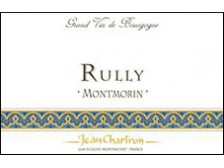
In 2004, Jean-Michel Chartron gave new impetus to the family domaine, blessed with an extraordinary land heritage (Clos des Chevaliers is the best part of Chevalier-Montrachet, itself considered the best climat in Puligny after Montrachet). The estate's 14.5 hectares have been farmed organically (without certification) ever since.
Mineral, nervous, powerful and long, with a crystalline purity, its wines are among Puligny's finest.The 2023 vintage in the press:
En Magnum (October 2025): 90/100 "The palate seduces with its dynamism supported by beautiful bitter notes. The whole lingers with charm, length and vitality."
More- To keep or to drink:
- Ready to drink
- Apogée:
- 2025-2030
- Alcohol degree:
- 13%
-
In 2004, Jean-Michel Chartron gave new impetus to the family domaine, blessed with an extraordinary land heritage (Clos des Chevaliers is the best part of Chevalier-Montrachet, itself considered the best climat in Puligny after Montrachet). The estate's 14.5 hectares have been farmed organically (without certification) ever since.
Mineral, nervous, powerful and long, with a crystalline purity, its wines are among Puligny's finest.The 2022 vintage in the press:
Vinous (N.Martin - October 2023): 88/100 “The 2022 Rully Montmorin has a light nose with Granny smiths and fresh pear, a light limestone aroma hovering in the backgroud. The palate is well-balanced with fine poise and little more nerve than the Bourgogne Blanc. The neatly integrated 10% new oak rounds out the finish nicely. Worth seeking out.”
More- To keep or to drink:
- Ready to drink
- Apogée:
- 2024-2030
- Alcohol degree:
- 13%
-

In 2004, Jean-Michel Chartron gave a new impetus to the family estate, with the chance to have an extraordinary land heritage (the Clos des Chevaliers is the best part of the Chevalier-Montrachet, itself considered the best grand cru in Puligny after Montrachet). Mineral, nervous, powerful and long, its wines are among the greatest in Puligny. Rated one star in the Revue du Vin de France guide.
Appointment : Jean-Michel Chartron was doubly elected "Winegrower of the Year": in the magazine "Bourgogne Aujourd'hui" in March 2018 and in the Hachette guide in September 2018.The 2022 vintage in the press:
Vinous (N.Martin - October 2023): 87-89/100 “The 2022 Savigny-lès- Beaune Blanc has plenty of orchard fruit on the nose, orange pith and tangerine, very alluring with nicely integrated oak. The palate is very well-balanced with a fine bead of acidity. It's creamier than expected, with almond and white chocolate touches towards the finish. I would broach this young and enjoy it in its flush of youth.”
Inside Burgundy (Jasper Morris - October 2023) : "Pale lemon colour. The bouquet is quite elegant, without too many woody notes. On the palate, there are aromas of high-quality fresh apple, which preserve the refined character, with a good balance between fruit and acidity in a lingering finish. Peak 2025-2028."
More- To keep or to drink:
- Ready to drink
- Apogée:
- 2025-2032
-

In 2004, Jean-Michel Chartron gave new impetus to the family domaine, blessed with an extraordinary land heritage (Clos des Chevaliers is the best part of Chevalier-Montrachet, itself considered the best climat in Puligny after Montrachet). The estate's 14.5 hectares have been farmed organically (without certification) ever since.
Mineral, nervous, powerful and long, with a crystalline purity, its wines are among Puligny's finest.More- To keep or to drink:
- Ready to drink
- Apogée:
- 2026-2035
- Alcohol degree:
- 13%
-
In 2004, Jean-Michel Chartron gave new impetus to the family domaine, blessed with an extraordinary land heritage (Clos des Chevaliers is the best part of Chevalier-Montrachet, itself considered the best climat in Puligny after Montrachet). The estate's 14.5 hectares have been farmed organically (without certification) ever since.
Mineral, nervous, powerful and long, with a crystalline purity, its wines are among Puligny's finest.The 2022 vintage in the press:
Vinous (N.Martin - October 2023): 87-89/100 “The 2022 Santenay Les Pierres Sèches comprises five barrels this year (one new). Orchard fruit mixed with light honeyed scents on the nose, perhaps requiring just a little more delineation. The palate is well-balanced with commendable purity, slightly waxy in texture, with a dab of stem ginger enlivening the finish. Fine weight and persistence, I prefer this to the previous vintage.”
More- To keep or to drink:
- Ready to drink
- Apogée:
- 2026-2035
- Alcohol degree:
- 13%
-

In 2004, Jean-Michel Chartron gave new impetus to the family domaine, blessed with an extraordinary land heritage (Clos des Chevaliers is the best part of Chevalier-Montrachet, itself considered the best climat in Puligny after Montrachet). The estate's 14.5 hectares have been farmed organically (without certification) ever since.
Mineral, nervous, powerful and long, with a crystalline purity, its wines are among Puligny's finest.More- To keep or to drink:
- Ready to drink
- Apogée:
- 2026-2035
- Alcohol degree:
- 13.5%
-

In 2004, Jean-Michel Chartron gave new impetus to the family domaine, blessed with an extraordinary land heritage (Clos des Chevaliers is the best part of Chevalier-Montrachet, itself considered the best climat in Puligny after Montrachet). The estate's 14.5 hectares have been farmed organically (without certification) ever since.
Mineral, nervous, powerful and long, with a crystalline purity, its wines are among Puligny's finest.More- To keep or to drink:
- Ready to drink
- Apogée:
- 2026-2037
- Alcohol degree:
- 13%
-

In 2004, Jean-Michel Chartron gave new impetus to the family domaine, blessed with an extraordinary land heritage (Clos des Chevaliers is the best part of Chevalier-Montrachet, itself considered the best climat in Puligny after Montrachet). The estate's 14.5 hectares have been farmed organically (without certification) ever since.
Mineral, nervous, powerful and long, with a crystalline purity, its wines are among Puligny's finest.More- To keep or to drink:
- Wait 1 to 2 years
- Apogée:
- 2028-2040
- Alcohol degree:
- 13.5%
-
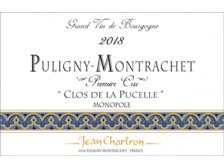
In 2004, Jean-Michel Chartron gave new impetus to the family domaine, blessed with an extraordinary land heritage (Clos des Chevaliers is the best part of Chevalier-Montrachet, itself considered the best climat in Puligny after Montrachet). The estate's 14.5 hectares have been farmed organically (without certification) ever since.
Mineral, nervous, powerful and long, with a crystalline purity, its wines are among Puligny's finest.More- To keep or to drink:
- Wait 1 to 2 years
- Apogée:
- 2028-2038
- Alcohol degree:
- 13.5%
-

In 2004, Jean-Michel Chartron gave new impetus to the family domaine, blessed with an extraordinary land heritage (Clos des Chevaliers is the best part of Chevalier-Montrachet, itself considered the best climat in Puligny after Montrachet). The estate's 14.5 hectares have been farmed organically (without certification) ever since.
Mineral, nervous, powerful and long, with a crystalline purity, its wines are among Puligny's finest.The 2022 vintage in the press :
Vinous (N.Martin - June 2026): 96/100 “The 2022 Bâtard-Montrachet Grand Cru has a nuanced, captivating nose: white peach, vervain and crushed stone, tightly wound at first though it opens beautifully in the glass. The palate is very well balanced. There is real intensity in this Bâtard-Montrachet, driving acidity, sapid with a touch of blood orange and quince jus towards the penetrating finish.”
More- To keep or to drink:
- Wait 5 to 10 years
- Apogée:
- 2032-2045
- Alcohol degree:
- 14%
-

In 2004, Jean-Michel Chartron gave new impetus to the family domaine, blessed with an extraordinary land heritage (Clos des Chevaliers is the best part of Chevalier-Montrachet, itself considered the best climat in Puligny after Montrachet). The estate's 14.5 hectares have been farmed organically (without certification) ever since.
Mineral, nervous, powerful and long, with a crystalline purity, its wines are among Puligny's finest.More- To keep or to drink:
- Wait 5 to 10 years
- Apogée:
- 2032-2045
- Alcohol degree:
- 14%
-
In 2004, Jean-Michel Chartron gave new impetus to the family domaine, blessed with an extraordinary land heritage (Clos des Chevaliers is the best part of Chevalier-Montrachet, itself considered the best climat in Puligny after Montrachet). The estate's 14.5 hectares have been farmed organically (without certification) ever since.
Mineral, nervous, powerful and long, with a crystalline purity, its wines are among Puligny's finest.The 2022 vintage in the press:
Vinous (N.Martin - June 2026): 96/100 “The 2022 Chevalier-Montrachet Clos de Chevaliers Grand Cru has a more subdued nose compared to its peers, despite rigorous coaxing of my glass. This is not wanting to come out and play, save for light sea spray and crustacean scents. The palate is well balanced with satisfying weight and depth. The acidity is well judged and tightly coiled, with a pleasant tanginess towards the finish that lingers nicely in the mouth with a sapid, almost briny aftertaste. I believe in this wine, but it requires several years in bottle.”
More- To keep or to drink:
- Wait 5 to 10 years
- Apogée:
- 2032-2045
- Alcohol degree:
- 14%
-
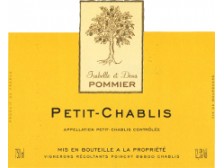
Isabelle and Denis Pommier started in 1990 with only 2 ha. They have made gradual progress, both in the constitution of their vineyards (now 16 ha) and in their cultivation practices (tillage, disbudding, certified organic from the 2014 vintage). Their wines, vinified and aged for a long time in oak barrels for Croix aux Moines and the 1st crus, have a richness and amplitude that contrast with the usual extreme vivacity of the Chablis.
According to the Bettane & Desseauve 2025 guide, “perhaps the most spectacular growth in the Chablis region over the last fifteen years”.
Quoted in the guide of the Revue du Vin de France.
The 2023 vintage in the press:
La Revue du Vin de France (Guide 2026) : 90/100 "More iodine-rich, the Petit Chablis delivers a deep body, faithful to the estate's style, with its salinity giving it length."
More- To keep or to drink:
- Ready to drink
- Apogée:
- 2025-2029
- Organic certification:
- 2014
- Alcohol degree:
- 12.5%