





Search
-
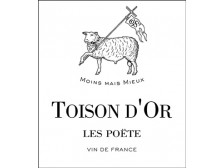
With 7 hectares spread over 28 plots held like gardens, Guillaume Sorbe is an outstanding goldsmith. On its two appellations Quincy and Reuilly in the Cher valley, it chisels fantastic wines, white (sauvignon) and red (pinot noir), esthetic wines that are both tasty and mineral, fat and tense. His excellence is already recognized: "Winemaker of the year 2018" for the Revue du Vin de France, and cited in the Top 10 of the best producers in the Bettane&Desseauve 2019 guide.
In order to avoid the regulatory constraints of the INAO, Guillaume Sorbe now prefers to label his wines under the generic name "Vin de France". This does not change anything about their origin or their quality. The comment of the Revue du Vin France is eloquent: "No wine in the sector reaches this level of precision and substance. They are among the most ambitious whites in the Loire Valley."
Toison d'or : 100% pinot gris vinified in white, as in Alsace, offering a full, velvety and delicately spiced wine.
Domaine rated two stars in the Revue du Vin de France annual guide.
More- To keep or to drink:
- Ready to drink
- Apogée:
- 2024-2032
- Alcohol degree:
- 13%
-
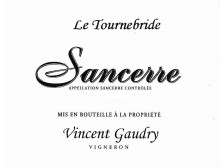
Quietly since his arrival at the head of the 11 ha of the family estate in the 90s, Vincent Gaudry has traced his path in search of the most precise and distinctive aromatic expressions of the grape variety and the terroir. His whites, with their aniseed tones (fennel), are vibrant and stimulating, while his reds have a delicate fullness that makes them noble. Radiant wines that do not give in to the fashion of modern Sancerre, too exotic and plump to be sincere.
Promoted two stars in the Revue du Vin de France's 2025 guide.
The entry-level Le Tournebride is a blend of 3 parcels of flint, clay-limestone and caillottes (limestone chips). Mélodie de Vieilles Vignes, fatter and richer, comes from a clay-limestone hillside while Constellation du Scorpion, more complex and marked by flint, has a tense, long and salivating finish.The 2022 vintage in the press:
La Revue du Vin de France (Guide 2025): 93/100 “Let's go up a few steps with Tournebride, blending caillottes, flint and clay-limestone in a spirited, extremely seductive sancerre, between tenderness, fatness, delicacy and energy.”
La Revue du Vin de France (April 2024): 93/100 “Wonderful interpretation of Sauvignon. This cuvée, which blends grapes grown on clay-limestone, flint and pebbles, sets the tone for Vincent Gaudry's range of energetic, fleshy, delicate wines. An irresistible fruity tenderness punctuated by a lovely finish. Delicious.”
Vinous (Rebecca Gibb - July 2024): 92/100 “The Tournebride 2022 is like diving into a hot bath. It's certainly round and ripe, in keeping with the season, but it's also elegant, refined and balanced. A blend of Sancerre's three terroirs, it offers a little of everything. The 2022 is not flashy, but it is seductive and charming. It's drinking very well now with its ripe, fruity red apple finish, and I dare you not to like it.”
More- To keep or to drink:
- Ready to drink
- Apogée:
- 2024-2029
- Organic certification:
- 2002
- Alcohol degree:
- 13.5%
-
Quietly since his arrival at the head of the 11 ha of the family estate in the 90s, Vincent Gaudry has traced his path in search of the most precise and distinctive aromatic expressions of the grape variety and the terroir. His whites, with their aniseed tones (fennel), are vibrant and stimulating, while his reds have a delicate fullness that makes them noble. Radiant wines that do not give in to the fashion of modern Sancerre, too exotic and plump to be sincere.
Promoted two stars in the Revue du Vin de France's 2025 guide.
The entry-level Le Tournebride is a blend of 3 parcels of flint, clay-limestone and caillottes (limestone chips). Mélodie de Vieilles Vignes, fatter and richer, comes from a clay-limestone hillside while Constellation du Scorpion, more complex and marked by flint, has a tense, long and salivating finish.The 2022 vintage in the press:
La Revue du Vin de France (Guide 2025): 95/100 “A splendid energy unfolds from Constellation du Scorpion, with a wonderful spicy, graceful expression of sauvignon on flint. It will evolve with grace.”
More- To keep or to drink:
- Wait 1 to 2 years
- Apogée:
- 2027-2037
- Organic certification:
- 2002
- Alcohol degree:
- 13.5%
-
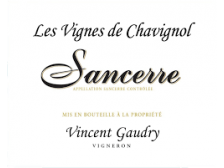
Quietly since his arrival at the head of the 11-hectare family estate in the 90s, Vincent Gaudry has been charting his course in search of the most precise and distinctive aromatic expressions of grape variety and terroir. His whites, with their hints of aniseed (fennel), are vibrant and stimulating, while his reds possess the delicate fullness that gives them their nobility. Radiant wines that don't give in to the fashion for modern Sancerre, too exotic and plump to be sincere.
Promoted to two stars in the Revue du Vin de France 2025 guide.
Les Vignes de Chavignol is a new cuvée (from 2022), 60-year-old vines on clay-limestone terroir, vinified in whole bunches and aged 12 months in barrels and 6 months in vats, delicately fruity (Morello cherry) and full-bodied, one of the greatest Pinot Noirs of the Sancerre region!The 2022 vintage in the press:
La Revue du Vin de France (2026 Guide): 94/100 "Les Vignes de Chavignol charms with its luscious finesse, morello cherry aromas and silky texture, leading to a vibrant finish."
More- To keep or to drink:
- Wait 1 to 2 years
- Apogée:
- 2028-2038
- Organic certification:
- 2002
- Alcohol degree:
- 13.5%
-
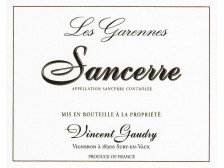
Quietly since his arrival at the head of the 11 ha of the family estate in the 90s, Vincent Gaudry has traced his path in search of the most precise and distinctive aromatic expressions of the grape variety and the terroir. His whites, with their aniseed tones (fennel), are vibrant and stimulating, while his reds have a delicate fullness that makes them noble. Radiant wines that do not give in to the fashion of modern Sancerre, too exotic and plump to be sincere.
Promoted two stars in the Revue du Vin de France's 2025 guide.
Vinified in whole bunches, Les Garennes is refined and elegant, silky and ripe on the palate, with great length and no feeling of heaviness. A great pinot noir!More- To keep or to drink:
- Ready to drink
- Apogée:
- 2025-2035
- Organic certification:
- 2002
- Alcohol degree:
- 13.5%
-
The first vineyard in the Sancerre region to be certified biodynamic(2004), Domaine Vacheron is unquestionably at the pinnacle of the Sancerre appellation. Far from the infamous "cat pee", their chiselled and refined Sauvignons offer the finest expressions of the diversity of the Sancerre terroirs. Rated two stars in the Revue du Vin de France 2024 guide.
The 2022 vintage in the press :
La Revue du Vin de France (Guide 2025): 93/100 "Le Paradis is a white with beautiful floral tones and an invigorating purity."
Vinous (R.Gibb - August 2024): 90/100 "The 2022 Le Paradis has a nose of ripe lemon and nectarines. Deliciously full-bodied, the clay-limestone soils give it a tender generosity. This supple, fine-textured style is delicate and chalky. The 2022 is a wine of great finesse and delicacy".
More- To keep or to drink:
- Ready to drink
- Apogée:
- 2026-2036
- Alcohol degree:
- 13%
-
The first vineyard in the Sancerre region to be certified biodynamic(2004), Domaine Vacheron is unquestionably at the pinnacle of the Sancerre appellation. Far from the infamous "cat pee", their chiselled and refined Sauvignons offer the finest expressions of the diversity of the Sancerre terroirs.
Rated two stars in the Revue du Vin de France 2024 guide.
The 2021 vintage in the press:
La Revue du Vin de France (Guide 2024): 95/100 coup ♥ “Once again, Pavé goes further in terms of dry extract concentration and density, profiling a salient finish that time will soften. It will be all the more unbound and balanced. Great, invigorating sensations in this vintage!”
Vinous (R. Gibb - June 2023): 90/100 “The 2021 Pavé runs like a river, flowing along steadily with purpose and intensity. There's additional weight here compared with other cuvées. This wine gets sun all day and is grown on clay. There's body and richness here as well, offering a slight sweetness of fruit while retaining a touch of green. There's even structured power here with a smidge of tannin, which may be to do with the smaller berries.”
More- To keep or to drink:
- Wait 1 to 2 years
- Apogée:
- 2026-2036
- Alcohol degree:
- 13%
-
The first vineyard in the Sancerre region to be certified biodynamic(2004), Domaine Vacheron is unquestionably at the pinnacle of the Sancerre appellation. Far from the infamous "cat pee", their chiselled and refined Sauvignons offer the finest expressions of the diversity of the Sancerre terroirs. Rated two stars in the Revue du Vin de France 2024 guide.
Belle Dame, their pinot noir cuvée with smoky flinty aromas due to its flinty terroir, is capable of competing with the great Burgundies of the Côte d'Or. Belle Dame was ranked 2nd best red wine in the Loire (after Le Bourg du Clos Rougeard) by the Revue du Vin de France.
The 2022 vintage in the press :
La Revue du Vin de France (Guide 2026): 94/100 Coup de ♥ “An intense and elegant Belle Dame is taking shape. A sunny vintage where Pinot Noir delivers juicy flesh and admirably fine tannins. Magnificent restraint from the Marnes, with a spicier and wilder register, and always that elegance on the palate that stretches the wine with grace, with great length."
Vinous (R. GIbb – August 2025) : 92/100 "The 2022 Belle Dame is a tightly coiled Pinot Noir with a chili pepper-like firmness. This has a ripe, red cherry perfume with excellent concentration and an abundance of well-integrated oak. It has an incredible sense of direction and purpose from the flint soils, leaving a long, sinewy finish."
Bettane + Desseauve (Guide 2026) : 97/100
More- To keep or to drink:
- Wait 1 to 2 years
- Apogée:
- 2026-2036
- Alcohol degree:
- 13%
-
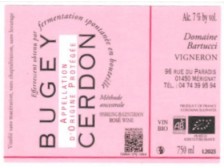
The Bugey Cerdon appellation, located in the Bugey mountains halfway between Geneva and Lyon, is exclusively dedicated to the production of semi-dry, sparkling rosé wines made solely from Gamay (the predominant variety) and Poulsard grapes. Using the so-called ‘ancestral’ method, the wines are bottled two-thirds of the way through alcoholic fermentation to allow for a slow second fermentation until it stops naturally due to carbon dioxide saturation. This results in a low alcohol content, always between 7% and 9%, contributing to the lightness and delicacy of Cerdon.
Bartucci, a small 2.2-hectare estate, produces an exemplary Cerdon that is magnificently fruity—a veritable sparkling redcurrant and raspberry juice, lively, crisp and refreshing with a hint of sweetness on the finish. Enjoyed as an aperitif or with a cheese platter (Morbier or Bleu de Gex to stay regional), Cerdon’s lightness makes it the ideal accompaniment to desserts, particularly those featuring red berries.
More- To keep or to drink:
- Ready to drink
- Apogée:
- 2026-2030
- Organic certification:
- 1997
- Alcohol degree:
- 7%
-
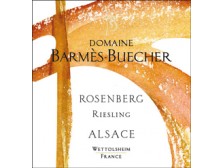
The Barmès children, Maxime and Sophie, have taken up with application and conviction the work initiated by their father (who died accidentally in 2011): organic (certified since 2001) and biodynamic farming, manual work as much as possible, no additives (neither yeast, nor chaptalization, nor fining) other than sulphur in minimal quantities. A single priority: to obtain the best climatic and geological expression of each of the 7 parcels of the estate (4 "villages" and 3 grands crus). Their Rieslings, with great ageing potential, are absolutely exemplary.
Rated three stars in the Revue du Vin de France guide.
Rosenberg, northern slope dominated by sandstone clay and limestone, deep soil, ample and seductive wines.
La Revue du Vin de France (Guide 2027) : 93/100 “Well-structured, full-bodied and full of flavour, Rosenberg is reminiscent of yellow grapefruit.”
More- To keep or to drink:
- Ready to drink
- Apogée:
- 2026-2034
- Organic certification:
- 2001
- Alcohol degree:
- 12%
-
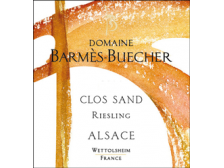
The Barmès children, Maxime and Sophie, have taken up with application and conviction the work initiated by their father (who died accidentally in 2011): organic (certified since 2001) and biodynamic farming, manual work as much as possible, no additives (neither yeast, nor chaptalization, nor fining) other than sulphur in minimal quantities. A single priority: to obtain the best climatic and geological expression of each of the 7 parcels of the estate (4 "villages" and 3 grands crus). Their Rieslings, with great ageing potential, are absolutely exemplary.
Rated three stars in the Revue du Vin de France guide.
Clos Sand, with granite soil, pure, energetic and crystalline.
La Revue du Vin de France (Guide 2027) : 91/100 “Clos Sand, with its very delicate aromas, has plenty of malic acidity and is low in alcohol.”
Bettane et Desseauve (Guide 2027) : 91/100
More- To keep or to drink:
- Wait 1 to 2 years
- Apogée:
- 2028-2038
- Organic certification:
- 2001
-
The Barmès children, Maxime and Sophie, have taken up with application and conviction the work initiated by their father (who died accidentally in 2011): organic (certified since 2001) and biodynamic farming, manual work as much as possible, no additives (neither yeast, nor chaptalization, nor fining) other than sulphur in minimal quantities. A single priority: to obtain the best climatic and geological expression of each of the 7 parcels of the estate (4 "villages" and 3 grands crus). Their Rieslings, with great ageing potential, are absolutely exemplary.
Rated three stars in the Revue du Vin de France guide.
Clos Sand, with granite soil, pure, energetic and crystalline.
The 2023 vintage in the press:
La Revue du Vin de France (2026 Guide): 94/100 "With its powdery nose, Clos Sand will be universally acclaimed: salty, bright and sharpened by its granite soil."
Vinous (A. Krebiehl - April 2025) : 93/100 "The 2023 Riesling Clos Sand, named after yhe granitic sands of this elevated, steep site, is always amongst the last parcels to be picked. This was made in used demi-muid and opens with a lovely scent of lemon and herb tisane, still swinging with gentle yeastiness. The svelte palate is absolutely clean-cut and bright. This is a bone-dry, light-bodied, tender Riesling that is full of beautifully cool, citric energy and freshness. It is always such a pleasure, such a tonic."
More- To keep or to drink:
- Ready to drink
- Apogée:
- 2025-2032
- Organic certification:
- 2001
- Alcohol degree:
- 12%
-
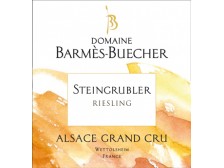
The Barmès children, Maxime and Sophie, have taken up with application and conviction the work initiated by their father (who died accidentally in 2011): organic (certified since 2001) and biodynamic farming, manual work as much as possible, no additives (neither yeast, nor chaptalization, nor fining) other than sulphur in minimal quantities. A single priority: to obtain the best climatic and geological expression of each of the 7 parcels of the estate (4 "villages" and 3 grands crus). Their Rieslings, with great ageing potential, are absolutely exemplary.
Rated three stars in the Revue du Vin de France guide.
Steingrubler, great finesse and length, clay-limestone soil on granite ridge.
The 2023 vintage in the press:
Vinous (A. Krebiehl - April 2025) : 95/100 "The 2023 Riesling Steingrubler Grand Cru is from densely planted vines from 1995, facing east and 2010, facing south, made in foudre. Beautifully expressive notes of orange and mandain peel have brighter, spicier, more aromatic highlights of pomelo and Seville orange. The palate continues in this citric vein with those vivid fruits on a svelte yet creamy body. This pushes forward with its freshness, flavor, aromatic insistence and drive. The 2023 is a standout this year. (Bone-dry)."
Bettane + Desseauve (Guide 2026) : 92/100
More- To keep or to drink:
- Wait 3 to 5 years
- Apogée:
- 2030-2040
- Organic certification:
- 2001
- Alcohol degree:
- 13%
-
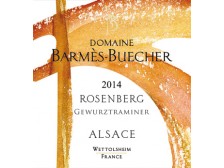
The Barmès children, Maxime and Sophie, have continued the work begun by their father (who died accidentally in 2011) with dedication and conviction: organic (certified since 2001) and biodynamic viticulture, manual work wherever possible, no additives (no yeasting, no chaptalisation, no fining) other than sulphur in minimal quantities. A single priority: to obtain the best climatic and geological expression from each of the estate's 7 parcels (4 'villages' and 3 'grands crus'). Their Rieslings, with their great ageing potential, are absolutely exemplary. Rated three stars in the Revue du Vin de France's guide.
Although the aromatic exuberance of Gewurztraminer is often used to produce sweet wines, this is a "tender" wine, vinified with an emphasis on tension, and sparing residual sugars.
More- To keep or to drink:
- Ready to drink
- Apogée:
- 2024-2030
- Organic certification:
- 2001
- Alcohol degree:
- 13.5%
-
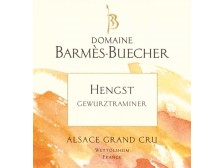
The 2023 vintage in the press:
La Revue du Vin de France (Guide 2026): 95/100 "The grands crus are radiant: the marl-limestone Hengst is particularly incisive and invigorating in Riesling, with an energy that is also found in the Gewurztraminer, which is haunting and robust."
Vinous (A. Krebiehl - April 2025) : 95/100 "The 2023 Gewurztraminer Hengst Grand Cru was made in stainless steel only. The nose has a gentle note of Navel orange peel. The palate has the same aromatic brightness and unexpected light-footedness. It is slender, flowing and juicy, with 27g/L of residual sugar adding emollience rather than sweetness since it has astonishing, outstanding freshness."
Bettane + Desseauve (Guide 2026) : 92/100
More- To keep or to drink:
- Wait 1 to 2 years
- Apogée:
- 2028-2040
- Organic certification:
- 2001
- Alcohol degree:
- 13.5%
-
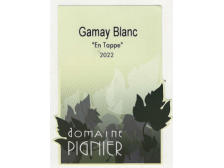
An estate that is as traditional (in the Pignier family since 1794) as it is avant-garde (cultivated biodynamically since 1998). Its vineyard (14 hectares in the commune of Montaigu) extends over clay-marl-limestone soils, planted with red grape varieties (mainly Trousseau and Poulsard) on south-facing slopes, and white varieties (Chardonnay and Gamay Blanc) on north/north-east facing slopes. The entire range expresses the qualities of purity, spontaneity and authenticity that make Jura wines so successful today. Awarded two stars in the Revue du Vin de France guide.
The Gamay blanc, an old strain of Chardonnay, is matured for 18 months in barrels, with regular topping up for more fruit and freshness.
More- To keep or to drink:
- Ready to drink
- Apogée:
- 2024-2032
- Organic certification:
- 2002
-
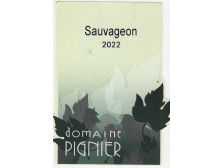
An estate that is as traditional (in the Pignier family since 1794) as it is avant-garde (cultivated biodynamically since 1998). Its vineyard (14 hectares in the commune of Montaigu) extends over clay-marl-limestone soils, planted with red grape varieties (mainly Trousseau and Poulsard) on south-facing slopes, and white varieties (Chardonnay and Gamay Blanc) on north/north-east facing slopes. The entire range expresses the qualities of purity, spontaneity and authenticity that make Jura wines so successful today. Awarded two stars in the Revue du Vin de France guide.
This Sauvageon, a pure Savagnin, is fermented and matured in ovoid concrete vats, with regular topping up for more fruit and freshness.
The 2022 vintage in the press:
La Revue du Vin de France (Guide 2025): 92/100 “The Sauvageon Savagnin is still youthful, but also offers a magnificent combination of fruit (softness of touch and richness of flavor) and vivacity.”
Vinous (Nicolas Greinacher - August 2024): 91/100 “Fermented and aged for a year in concrete eggs, the 2022 Blanc Côtes du Jura Sauvageon is 14% alcohol. Lemon flesh, yellow apple, honeysuckle and wet stone all come to the fore. Medium to full-bodied and generous, the 2022 awakens the palate with a solid concentration of flavors and a juicy finish. This is a muscular Savagnin with plenty of substance."
More- To keep or to drink:
- Ready to drink
- Apogée:
- 2025-2032
- Organic certification:
- 2002
- Alcohol degree:
- 14%
-
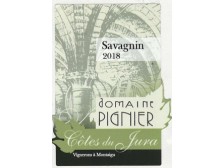
An estate that is as traditional (in the Pignier family since 1794) as it is avant-garde (cultivated biodynamically since 1998). Its vineyard (14 hectares in the commune of Montaigu) extends over clay-marl-limestone soils, planted with red grape varieties (mainly Trousseau and Poulsard) on south-facing slopes, and white varieties (Chardonnay and Gamay Blanc) on north/north-east facing slopes. The entire range expresses the qualities of purity, spontaneity and authenticity that make Jura wines so successful today. Awarded two stars in the Revue du Vin de France guide.
The Savagnin sous voile is matured in barrels for 60 months, without topping up, to develop the nutty, rancio aromas typical of Jura yellow wines.
More- To keep or to drink:
- Ready to drink
- Apogée:
- 2024-2035
- Organic certification:
- 2002
- Alcohol degree:
- 14.5%
-
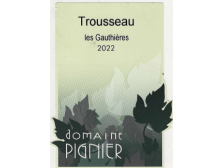
An estate that is as traditional (in the Pignier family since 1794) as it is avant-garde (cultivated biodynamically since 1998). Its vineyard (14 hectares in the commune of Montaigu) extends over clay-marl-limestone soils, planted with red grape varieties (mainly Trousseau and Poulsard) on south-facing slopes, and white varieties (Chardonnay and Gamay Blanc) on north/north-east facing slopes. The entire range expresses the qualities of purity, spontaneity and authenticity that make Jura wines so successful today. Awarded two stars in the Revue du Vin de France guide.
Les Gauthières is the estate's great red cuvée (focusing on black cherry in 2022), selected from a plot planted as in the past with trousseau à la dame, trousseau noir, enfariné and savagnin jaune, matured for 12 months in barrels.
The 2023 vintage in the press:
Bourgogne Aujourd'hui (April–May 2026): 97/100 "The grapes were left to ferment for three weeks without the addition of sulphur or yeast. An enveloping nose of red fruits, cherry pulp and strawberries. A caressing, velvety, rich and creamy palate, with a very long, pure finish and great class”
La Revue du Vin de France (Guide 2026): 93/100 “Also very ripe, the two 2023 Trousseau vintages are extremely elegant without being evanescent, with Les Gauthières standing out for its extra finesse, harmony, detail and aromatic brilliance.”
Vinous (N. Greinacher - September 2025): 91/100 "The 2023 Côtes du Jura Trousseau Les Gauthières presents a completely different style from its 2022 sibling, showing less concentration and a lighter body. Swirling the glass releases fragrant violet, cranberry and rosehip tea scents. Medium-to full-bodied, smooth and inviting, the 2023 is an approachable, perfumed Les Gauthières with a precise finish."
More- To keep or to drink:
- Wait 1 to 2 years
- Apogée:
- 2028-2038
- Organic certification:
- 2002
- Alcohol degree:
- 14%
-
A new generation of winegrowers is waking Cahors up. Rustic wines with coarse tannins are a thing of the past. Make way for digestible, tasty, fruity and velvety malbecs. The duo Matthieu Cosse (the oenologist) / Catherine Maisonneuve (the winegrower) is part of this new Cadurian elite, with a magnificent range of wines where purity, precision and elegance prevail. "Transcending the boundaries of its appellation, the estate is one of the best in France" for Mr. Bettane.
Rated two stars in the 2021 Revue du Vin de France guide.
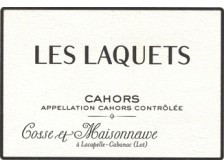
Cahors de caractère, Les Laquets is long and racy, with a persistent finish (cedar and black fruits), perfectly balanced by a fine and precise maturing. Perfect representation of the Cossse/ Maisonneuve style.
More- To keep or to drink:
- Ready to drink
- Apogée:
- 2026-2035
- Alcohol degree:
- 13.5%
-
A new generation of winegrowers is waking Cahors up. Rustic wines with coarse tannins are a thing of the past. Make way for digestible, tasty, fruity and velvety malbecs. The duo Matthieu Cosse (the oenologist) / Catherine Maisonneuve (the winegrower) is part of this new Cadurian elite, with a magnificent range of wines where purity, precision and elegance prevail. "Transcending the boundaries of its appellation, the estate is one of the best in France" for Mr. Bettane.
Rated two stars in the 2021 Revue du Vin de France guide.
Cahors de caractère, Les Laquets is long and racy, with a persistent finish (cedar and black fruits), perfectly balanced by a fine and precise maturing. Perfect representation of the Cossse/ Maisonneuve style.
The 2020 vintage in the press:
Bettane + Desseauve (Guide 2027) : 96/100
La Revue du Vin de France (Guide 2026) : 95/100 "Old vines grafted onto part of the limestone scree slopes of Lacapelle-Cabanac, Les Laquets is still in its infancy: it displays primary notes and a mineral finish that promises long ageing potential."
More- To keep or to drink:
- Ready to drink
- Apogée:
- 2026-2036
- Alcohol degree:
- 15%
-
A new generation of winegrowers is waking Cahors up. Rustic wines with coarse tannins are a thing of the past. Make way for digestible, tasty, fruity and velvety malbecs. The duo Matthieu Cosse (the oenologist) / Catherine Maisonneuve (the winegrower) is part of this new Cadurian elite, with a magnificent range of wines where purity, precision and elegance prevail. "Transcending the boundaries of its appellation, the estate is one of the best in France" for Mr. Bettane.
Rated two stars in the Revue du Vin de France guide.
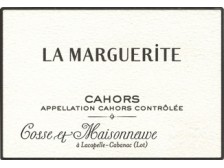
La Marguerite is the prestigious cuvée of the Domaine, coming from a 2.5 hectare plot on the famous siderolithic terroir (clay-limestone mixed with reddish iron deposits). A wine of great potential where minerality vies with intensity. Splendid!
The 2022 vintage in the press:
La Revue du Vin de France (Guide 2026) : 97/100 "The entire range has a distinctive identity that stems as much from the precision of the ripeness as from a remarkable terroir. La Marguerite springs to mind in particular, with its pocket of ferruginous clay that is a source of longevity and aesthetic appeal."
Bettane + Desseauve (Guide 2027) : 97/100
More- To keep or to drink:
- Wait 1 to 2 years
- Apogée:
- 2027-2042
- Alcohol degree:
- 14%
-
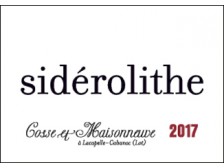
A new generation of winegrowers is waking Cahors up. Rustic wines with coarse tannins are a thing of the past. Make way for digestible, tasty, fruity and velvety malbecs. The duo Matthieu Cosse (the oenologist) / Catherine Maisonneuve (the winegrower) is part of this new Cadurian elite, with a magnificent range of wines where purity, precision and elegance prevail. "Transcending the boundaries of its appellation, the estate is one of the best in France" for Mr. Bettane.
Rated two stars in the Revue du Vin de France guide.
Sidérolithe is the 100% cabernet franc counterpart (on iron clay) of their other cuvée Marguerite which is 100% malbec. Its aromas of raspberry and violet and its velvety texture are immediately reminiscent of Pomerol.
The 2021 vintage in the reviews:
La Revue du Vin de France (December 2024): 94/100 “Catherine Maisonneuve and Matthieu Cosse were the first to reveal the potential of Cabernet Franc planted in the Quercy region on a pocket of clay. The great forgotten grape of Cahors, it displays here the austerity of the tannins that signal the cold 2021 vintage, but above all the aristocracy of this grape whose tasty fruit is revealed on a texture that suggests a radiant evolution held by the imprint of its terroir.”
More- To keep or to drink:
- Ready to drink
- Apogée:
- 2026-2040
- Alcohol degree:
- 12.5%
-
A new generation of winegrowers is waking Cahors up. Rustic wines with coarse tannins are a thing of the past. Make way for digestible, tasty, fruity and velvety malbecs. The duo Matthieu Cosse (the oenologist) / Catherine Maisonneuve (the winegrower) is part of this new Cadurian elite, with a magnificent range of wines where purity, precision and elegance prevail. "Transcending the boundaries of its appellation, the estate is one of the best in France" for Mr. Bettane.
Rated two stars in the Revue du Vin de France guide.
Sidérolithe is the 100% cabernet franc counterpart (on iron clay) of their other cuvée Marguerite which is 100% malbec. Its aromas of raspberry and violet and its velvety texture are immediately reminiscent of Pomerol.
The 2020 vintage in the reviews:
La Revue du Vin de France (Guide 2026) : 93/100
Bettane + Desseauve (Guide 2027) : 93/100
More- To keep or to drink:
- Wait 1 to 2 years
- Apogée:
- 2028-2042
- Alcohol degree:
- 14.5%
-
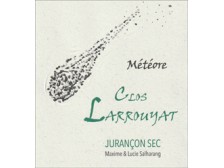
After a degree in chemistry, Maxime Salharang chose, somewhat by chance, to go into oenology. He trained in several great Bordeaux châteaux (Smith Haut-Lafitte, Carbonnieux) and was introduced to biodynamics at the Domaine de Souch in Jurançon, before going into his own vineyards at Clos Larrouyat (3 ha) with his wife Lucie. The full eastern exposure and the unique specificity of the subsoil (clay and pebbles rolled on a strip of Trias) give his wines a delicate freshness, intensity, minerality and length rare for the appellation. The work and thoughtful application of the Salharang couple convince us that Clos Larrouyat is a future great of the appellation.
Rated one star in the Revue du Vin de France guide (from 2026 onwards).
"Météore" is a blend of 30% gros manseng and 70% petit manseng, aged for 6 months in non-new barrels. Fresh and delicate, lively and intense, with a marked saline touch on the finish. Rated 92/100 in 2020 and 93/100 in 2021 by the 2023 guide of the Revue du Vin de France.
The 2024 vintage in the press:
La Revue du Vin de France (Guide 2027): 88/100
More- To keep or to drink:
- Ready to drink
- Apogée:
- 2026-2032
- Organic certification:
- 2015
- Alcohol degree:
- 12.5%
-
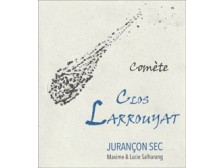
After a degree in chemistry, Maxime Salharang chose, somewhat by chance, to go into oenology. He trained in several great Bordeaux châteaux (Smith Haut-Lafitte, Carbonnieux) and was introduced to biodynamics at the Domaine de Souch in Jurançon, before going into his own vineyards at Clos Larrouyat (3 ha) with his wife Lucie. The full eastern exposure and the unique specificity of the subsoil (clay and pebbles rolled on a strip of Trias) give his wines a delicate freshness, intensity, minerality and length rare for the appellation. The work and thoughtful application of the Salharang couple convince us that Clos Larrouyat is a future great of the appellation.
Rated one star in the Revue du Vin de France guide (from 2026 onwards).
"Comète" is a top-of-the-range cuvée: selection of free-run juice, 75% Petit Manseng (for the aromatic palette) and 25% Camaralet (for the structure in the mouth). A wine of irreproachable purity, complex and with a remarkable length, enhanced by the saline touch which is the trademark of the estate. Bravo !
The 2024 vintage in the press:
La Revue du Vin de France (Guide 2027) : 89/100 “Comète has an undeniable radiance, even managing to offer hints of spice and apricot skin that balance out its austere character.”
More- To keep or to drink:
- Wait 1 to 2 years
- Apogée:
- 2028-2038
- Organic certification:
- 2015
- Alcohol degree:
- 12.5%
-
After a degree in chemistry, Maxime Salharang chose, somewhat by chance, to go into oenology. He trained in several great Bordeaux châteaux (Smith Haut-Lafitte, Carbonnieux) and was introduced to biodynamics at the Domaine de Souch in Jurançon, before going into his own vineyards at Clos Larrouyat (3 ha) with his wife Lucie. The full eastern exposure and the unique specificity of the subsoil (clay and pebbles rolled on a strip of Trias) give his wines a delicate freshness, intensity, minerality and length rare for the appellation. The work and thoughtful application of the Salharang couple convince us that Clos Larrouyat is a future great of the appellation.
Rated one star in the Revue du Vin de France guide (from 2026 onwards).
"Comète" is a top-of-the-range cuvée: selection of free-run juice, 75% Petit Manseng (for the aromatic palette) and 25% Camaralet (for the structure in the mouth). A wine of irreproachable purity, complex and with a remarkable length, enhanced by the saline touch which is the trademark of the estate. Bravo !
The 2023 vintage in the press:
La Revue du Vin de France (Guide 2026): 91/100 "More colourful and fuller, the 2023 version of Comète is more to our liking. Despite powerful reduction, it is a delicate yet full-bodied, tangy, elongated wine that develops elegantly on the palate."
More- To keep or to drink:
- Ready to drink
- Apogée:
- 2026-2035
- Organic certification:
- 2015
- Alcohol degree:
- 12.5%
-
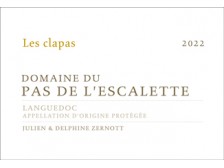
This is one of the most original estates in the Languedoc: for its altitude (350 m), on the southern edge of the Larzac plateau, and for its vineyards (2 ha of white and 18 ha of red) made up of old vines on around fifty terraces (like in the Douro) surrounded by stone walls and clapas (= piles of stones). Julien and Delphine Zernott, a passionate and determined couple, are at the helm of the estate, working hard to make the most of the cool, windy micro-climate of the Combe de l'Escalette to produce wines where freshness and sapidity are paramount.
A blend of white carignan, white grenache and terret bourret. Far from the southern cliché, Les Clapas stands out for its freshness and saline notes.
Domaine rated two stars in the Revue du Vin de France annual guide.
The 2022 vintage in the press:
La Revue du Vin de France (Guide 2025): 92/100 “Les Clapas blanc 2022 shows itself to be very fair in this warm year, textured but energetic, with beautiful bitters.”
More- To keep or to drink:
- Ready to drink
- Apogée:
- 2024-2028
- Organic certification:
- 2012
-
This is one of the most original estates in the Languedoc: by its altitude (350 m), on the southern edge of the Larzac plateau, and by its vineyard (2 ha in white and 18 ha in red) made up of old vines on fifty or so terraces (like in the Douro) surrounded by stone walls and clapas (= piles of stones). Julien and Delphine Zernott, a passionate and determined couple, are at the head of the estate. They are committed to exploiting their cool and windy micro-climate of the Combe de l'Escalette to produce organic wines where freshness and sapidity prevail.
Le Pas de D. is the choice of Delphine Zernott, wishing to elaborate a wine with finesse, fresh and delicate. A blend of 50% carignan - 30% grenache - 20% cinsault, Le Pas de D. needs time and aeration to express itself at its best.Domaine rated two stars in the Revue du Vin de France annual guide.
The 2021 vintage in the press :
La Revue du Vin de France (Guide 2024): 93/100 "Le Pas de D. is smooth and juicy with morello cherry fruit, and also has a very nice brilliance".
More- To keep or to drink:
- Ready to drink
- Apogée:
- 2026-2033
- Organic certification:
- 2012
-
This is one of the most original estates in the Languedoc: for its altitude (350 m), on the southern edge of the Larzac plateau, and for its vineyards (2 ha of white and 18 ha of red) made up of old vines on around fifty terraces (like in the Douro) surrounded by stone walls and clapas (= piles of stones). Julien and Delphine Zernott, a passionate and determined couple, are at the helm of the estate, working hard to make the most of the cool, windy micro-climate of the Combe de l'Escalette to produce wines where freshness and sapidity are paramount.
Les Frieys, made from a parcel of old Carignan, Mourvèdre and Grenache vines planted on terraces, is the estate's top cuvée. A dense, elegant wine of remarkable complexity, rated 96/100 by the Revue du Vin de France.
Domaine rated two stars in the Revue du Vin de France annual guide.
The 2021 vintage in the press :
La Revue du Vin de France (Guide 2024): 96/100 "The parcel of old vines of Carignan, Mourvèdre and Grenache which makes up Les Frieys once again offers us, in 2021, a graceful, powdery and sparkling wine of great complexity".
More- To keep or to drink:
- Wait 1 to 2 years
- Apogée:
- 2027-2038
- Organic certification:
- 2012
- Alcohol degree:
- 13%