





Search
-

Young and passionate winegrower, Alexandre Delétraz created the Cave des Amandiers in 2008 on the small steep terraces of Fully overlooking the Swiss Rhone Valley, between 400 and 900 m of altitude. This is an ideal terroir for the expression of Petite Arvine (a magnificent white grape variety native to the Valais) and Syrah (as in the French Northern Rhône Valley). "A heroic viticulture. The wines have gained in precision consecrating the estate among the stars of the region" for the Revue du Vin de France.
The two facets of Petite Arvine: crystalline and tense on the granitic terroir of Seyes, rounder and deeper on the Rhone alluvium of the Saillon terroir, down below.More- To keep or to drink:
- Ready to drink
- Apogée:
- 2026-2033
-

Young and passionate winegrower, Alexandre Delétraz created the Cave des Amandiers in 2008 on the small steep terraces of Fully overlooking the Swiss Rhone Valley, between 400 and 900 m of altitude. This is an ideal terroir for the expression of Petite Arvine (a magnificent white grape variety native to the Valais) and Syrah (as in the French Northern Rhône Valley). "A heroic viticulture. The wines have gained in precision consecrating the estate among the stars of the region" for the Revue du Vin de France.
With a classic Côte-Rôtie nose (red fruits and violet), this fresh, juicy and refined Syrah finishes with the peppery notes so characteristic of the grape variety.
More- To keep or to drink:
- Wait 1 to 2 years
- Apogée:
- 2027-2035
-

In 20 years, Ms Chappaz has become Switzerland's emblematic winemaker, following the example of Ms Bize-Leroy in Burgundy. In her 10-hectare vineyard on the south-facing slopes of Fully, she strives to give full expression to the typicity and authenticity of each grape variety through ultra-careful viticulture (biodynamic since 2003).
More- To keep or to drink:
- Ready to drink
- Apogée:
- 2025-2030
-
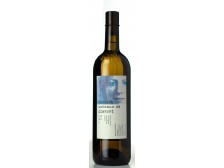
In 20 years (first vintage in 1988), Mrs. Chappaz has become the emblematic winemaker of Switzerland, following the example of Mrs. Bize-Leroy in Burgundy. In her 10 ha vineyard on the southern slopes of Fully, she tries to express the typicity and authenticity of each grape variety by an ultra careful viticulture (biodynamic since 2003).
Fendant Côteau de Plamont: parcel wine in Fully, 100% chasselas on "red earth" (loess on granite)More- To keep or to drink:
- Ready to drink
- Apogée:
- 2026-2035
- Alcohol degree:
- 12.5%
-

In 20 years, Ms Chappaz has become Switzerland's emblematic winemaker, following the example of Ms Bize-Leroy in Burgundy. In her 10-hectare vineyard on the south-facing slopes of Fully, she strives to give full expression to the typicity and authenticity of each grape variety through ultra-careful viticulture (biodynamic since 2003).
More- To keep or to drink:
- Ready to drink
- Apogée:
- 2025-2032
- Alcohol degree:
- 14%
-

En 20 ans (premier millésime en 1988), Mme Chappaz est devenue la vigneronne emblématique de Suisse, à l'instar de Mme Bize-Leroy en Bourgogne. Dans son vignoble de 10 ha sur les coteaux plein sud de Fully, elle cherche à exprimer au mieux la typicité et l'authenticité de chaque cépage par une viticulture ultra attentive (en biodynamie depuis 2003).
Dôle La Liaudisaz : assemblage de pinot noir (90%) et gamay (10%) âgés de 20 à 40 ans, élevé en cuve inox. « Nez friand, toucher pulpeux et frais. Idéal pour découvrir les rouges du Valais » wrote la Revue du Vin de France.
More- To keep or to drink:
- Wait 1 to 2 years
- Apogée:
- 2027-2035
- Alcohol degree:
- 13%
-
En 20 ans (premier millésime en 1988), Mme Chappaz est devenue la vigneronne emblématique de Suisse, à l'instar de Mme Bize-Leroy en Bourgogne. Dans son vignoble de 10 ha sur les coteaux plein sud de Fully, elle cherche à exprimer au mieux la typicité et l'authenticité de chaque cépage par une viticulture ultra attentive (en biodynamie depuis 2003).
Dôle La Liaudisaz : assemblage de pinot noir (90%) et gamay (10%) âgés de 20 à 40 ans, élevé en cuve inox. « Nez friand, toucher pulpeux et frais. Idéal pour découvrir les rouges du Valais » wrote la Revue du Vin de France.
More- To keep or to drink:
- Ready to drink
- Apogée:
- 2025-2032
- Alcohol degree:
- 13%
-

In 20 years, Ms Chappaz has become Switzerland's emblematic winemaker, following the example of Ms Bize-Leroy in Burgundy. In her 10-hectare vineyard on the south-facing slopes of Fully, she strives to give full expression to the typicity and authenticity of each grape variety through ultra-careful viticulture (biodynamic since 2003).
La Petite Grange is a blend of 100% Helvetian red grape varieties, very typical and full-bodied: diolinoir, galotta and gamaret.
More- To keep or to drink:
- Ready to drink
- Apogée:
- 2026-2034
- Alcohol degree:
- 13.5%
-
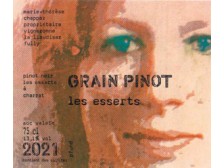
In 20 years, Ms Chappaz has become Switzerland's emblematic winemaker, following the example of Ms Bize-Leroy in Burgundy. In her 10-hectare vineyard on the south-facing slopes of Fully, she strives to give full expression to the typicity and authenticity of each grape variety through ultra-careful viticulture (biodynamic since 2003).
More- To keep or to drink:
- Ready to drink
- Apogée:
- 2026-2036
- Alcohol degree:
- 13%
-
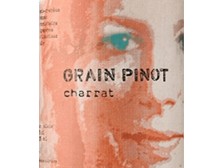
In 20 years (first vintage in 1988), Mrs Chappaz has become the emblematic winemaker of Switzerland, like Mrs Bize-Leroy in Burgundy. In its 10 ha vineyard on the south-facing slopes of Fully, it seeks to express as well as possible the typicity and authenticity of each grape variety through ultra attentive viticulture (biodynamic since 2003).
Grain Pinot: parcel wines, 100% pinots noirs aged from 25 to 40 years, on limestone soil, aged 12 months in 100% new barrels. Chamoson, with its southern exposure, is the most appealing, while Charrat et Champ Dury, with their northern exposure (on the left bank of the Rhone), are fresher, more linear and tense.
More- To keep or to drink:
- Ready to drink
- Apogée:
- 2026-2035
- Alcohol degree:
- 14%
-
In 20 years (first vintage in 1988), Mrs Chappaz has become the emblematic winemaker of Switzerland, like Mrs Bize-Leroy in Burgundy. In its 10 ha vineyard on the south-facing slopes of Fully, it seeks to express as well as possible the typicity and authenticity of each grape variety through ultra attentive viticulture (biodynamic since 2003).
Grain Pinot: parcel wines, 100% pinots noirs aged from 25 to 40 years, on limestone soil, aged 12 months in 100% new barrels. Chamoson, with its southern exposure, is the most appealing, while Charrat et Champ Dury, with their northern exposure (on the left bank of the Rhone), are fresher, more linear and tense.
More- To keep or to drink:
- Ready to drink
- Apogée:
- 2028-2040
- Alcohol degree:
- 13.5%
-
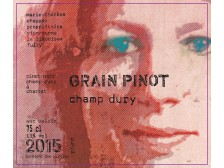
In 20 years (first vintage in 1988), Mrs Chappaz has become the emblematic winemaker of Switzerland, like Mrs Bize-Leroy in Burgundy. In its 10 ha vineyard on the south-facing slopes of Fully, it seeks to express as well as possible the typicity and authenticity of each grape variety through ultra attentive viticulture (biodynamic since 2003).
Grain Pinot: parcel wines, 100% pinots noirs aged from 25 to 40 years, on limestone soil, aged 12 months in 100% new barrels. Chamoson, with its southern exposure, is the most appealing, while Charrat et Champ Dury, with their northern exposure (on the left bank of the Rhone), are fresher, more linear and tense.
More- To keep or to drink:
- Ready to drink
- Apogée:
- 2024-2035
- Alcohol degree:
- 13.5%
-
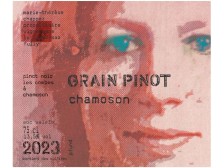
In 20 years (first vintage in 1988), Mrs Chappaz has become the emblematic winemaker of Switzerland, like Mrs Bize-Leroy in Burgundy. In its 10 ha vineyard on the south-facing slopes of Fully, it seeks to express as well as possible the typicity and authenticity of each grape variety through ultra attentive viticulture (biodynamic since 2003).
Grain Pinot: parcel wines, 100% pinots noirs aged from 25 to 40 years, on limestone soil, aged 12 months in 100% new barrels. Chamoson, with its southern exposure, is the most appealing, while Charrat et Champ Dury, with their northern exposure (on the left bank of the Rhone), are fresher, more linear and tense.
More- To keep or to drink:
- Wait 1 to 2 years
- Apogée:
- 2028-2038
- Alcohol degree:
- 13.5%
-

In the very north of Alsace, close to the Franco-German border, Domaine Becker is paradoxically renowned, not for its Rieslings, but for its Pinot Noirs. Sheltered from the Atlantic storms by the northern Vosges mountains and on a subsoil of shell limestone, the region around Wissembourg offers an excellent terroir for Pinot, made even more favourable by global warming. Domaine Becker wines have the depth, richness and aromatic distinction of perfectly ripe Pinots, while remaining elegant. At the same price, they can stand up to comparison with the 1st growths of the Côte d'Or.
This cuvée Pinot Noir is a blend of the young vines (20 to 40 years old, not so young), juicy on the palate (fresh cherry), fresh and elegant with a hint of vivacity on the finish, like a Volnay village.
More- To keep or to drink:
- Ready to drink
- Apogée:
- 2023-2030
-
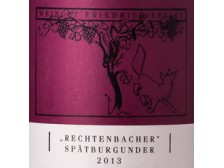
In the very north ofAlsace, close to the Franco-German border, Domaine Becker is paradoxically renowned, not for its Rieslings, but for its Pinot Noirs. Sheltered from the Atlantic storms by the northern Vosges mountains and on a subsoil of shell limestone, the region around Wissembourg offers an excellent terroir for Pinot, made even more favourable by global warming. Domaine Becker wines have the depth, richness and aromatic distinction of perfectly ripe Pinots, while remaining elegant. At the same price, they can stand up to comparison with the 1st growths of the Côte d'Or.
Cuvée Kammerberg, made from Pinots planted in 1967, is the flagship of the Becker range. Opaque in colour, it is fruity, powerful and complex without being exuberant. The density is reminiscent of Pommard, while the structure is reminiscent of Gevrey-Chambertin. Bluffing!
More- To keep or to drink:
- Ready to drink
- Apogée:
- 2026-2038
-
In the very north ofAlsace, close to the Franco-German border, Domaine Becker is paradoxically renowned, not for its Rieslings, but for its Pinot Noirs. Sheltered from the Atlantic storms by the northern Vosges mountains and on a subsoil of shell limestone, the region around Wissembourg offers an excellent terroir for Pinot, made even more favourable by global warming. Domaine Becker wines have the depth, richness and aromatic distinction of perfectly ripe Pinots, while remaining elegant. At the same price, they can stand up to comparison with the 1st growths of the Côte d'Or.
Cuvée Kammerberg, made from Pinots planted in 1967, is the flagship of the Becker range. Opaque in colour, it is fruity, powerful and complex without being exuberant. The density is reminiscent of Pommard, while the structure is reminiscent of Gevrey-Chambertin. Bluffing!
More- To keep or to drink:
- Ready to drink
- Apogée:
- 2024-2034
- Alcohol degree:
- 13.5%
-
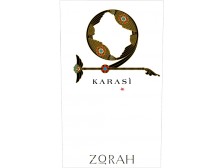
Vayots Dzor may not be Armenia's largest wine-growing region, but it is undoubtedly its most prestigious, with a history dating back to the very origins of viticulture: the first known wine-making cellar can be found here, dating back to the 4th millennium BC. This high-altitude vineyard (1400m to 1650m), isolated from the rest of the world by its steep slopes, was spared phylloxera and is still entirely planted with ungrafted autochthonous grape varieties.
Karasi follows in the tradition of these ancient wines: 100% aréni noir (one of the oldest known grape varieties), organic viticulture, indigenous yeast fermentation, ageing in traditional amphorae (Karas)... A full-bodied, fleshy wine with aromas of blackcurrant, graphite and pepper.La Revue du vin de France (February 2026) “Zorah revives one of the oldest cradles of wine, buried amphorae (karas), Areni grape variety, altitude: a pure and vibrant expression of the rediscovered Armenian terroir.”
More- To keep or to drink:
- Ready to drink
- Apogée:
- 2024-2031
-
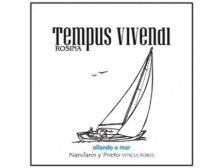
Alberto Nanclares, an economist in Madrid in his previous life, fell in love in 1992 with albariño, a wonderful small grape variety that produces, in an Atlantic climate, eminently fresh dry white wines of great aromatic complexity (close to that of Viognier: honeysuckle, apricot, quince...). Today he produces in Galicia no less than 11 (!) micro-cuvées, all dedicated to albariño, fermented with indigenous yeasts, without settling, fining or filtration. His rise in quality is proportional to the minerality and aromatic persistence of the wines.
Tempus Vivendi, even if it is its entry level product, is a great albariño.
More- To keep or to drink:
- Ready to drink
- Apogée:
- 2022-2028
- Alcohol degree:
- 12%
-

Alberto Nanclares, an economist in Madrid in his previous life, fell in love in 1992 with albariño, a wonderful small grape variety that produces, in an Atlantic climate, eminently fresh dry white wines of great aromatic complexity (close to that of Viognier: honeysuckle, apricot, quince...). Today he produces in Galicia no less than 11 (!) micro-cuvées, all dedicated to albariño, fermented with indigenous yeasts, without settling, fining or filtration. His rise in quality is proportional to the minerality and aromatic persistence of the wines.
More- To keep or to drink:
- Ready to drink
- Apogée:
- 2023-2030
- Alcohol degree:
- 11.5%
-
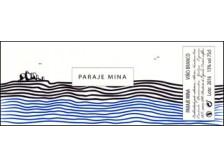
Alberto Nanclares, an economist in Madrid in his first life, fell in love in 1992 with albariño, a wonderful small-grain variety that produces eminently fresh and complex dry white wines in the Atlantic climate (aromatic palette of viognier: honeysuckle, apricot, quince, etc.). Today, it produces no less than 8 (!) micro-vats dedicated to albariño in Galicia.
Paraje Mina (only 600 bottles), the most mineral, was rated 92/100 by Wine Advocate.
More- To keep or to drink:
- Ready to drink
- Apogée:
- 2024-2032
- Alcohol degree:
- 11.5%
-
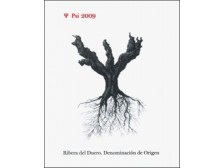
PSI (Peter Sisseck Initiative?) is the wine of a group of producers brought together by Mr. Sisseck according to precise specifications: tempranillo plots at least 30 years old, necessarily biodynamically grown, gentle extractions, long macerations and maturing practically without wood. A superior fruity wine, fine and with a great tannic softness.
More- To keep or to drink:
- Ready to drink
- Apogée:
- 2026-2032
- Alcohol degree:
- 13.5%
-
PSI (Peter Sisseck Initiative?) is the wine of a group of producers brought together by Mr. Sisseck according to precise specifications: tempranillo plots at least 30 years old, necessarily biodynamically grown, gentle extractions, long macerations and maturing practically without wood. A superior fruity wine, fine and with a great tannic softness.
The 2022 vintage in the press:
Vinous (J. Hidalgo - June 2025): 93/100 "The PSI 2022 comes from the Sorian side of Ribera del Duero. Aromas of ripe plum, cherry and herbs mingle with a touch of balsamic, sweet cedar and a hint of prune. The palate is juicy and creamy, with firm, fine tannins and moderate structure. Concentration comes from the old vines, while lively acidity balances the fine tannins. A solid example of Ribera Soriana."
More- To keep or to drink:
- Ready to drink
- Apogée:
- 2026-2032
- Alcohol degree:
- 14%
-
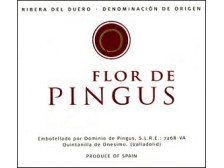
Amazing story as that of Dominio de Pingus. Created in 1995 by Peter Sisseck, a Danish (!), this estate a few kilometres from Vega Sicilia has become a cult in less than 15 years.
Flor de Pingus is the second wine, coming from the Dominio de Pingus and neighbouring parcels acquired by fermage, 100% tempranillo 35 to 50 years old, biodynamic since 2005. Delicious and elegant, Flor is a modern vision of Ribera del Duero.
More- To keep or to drink:
- Wait 1 to 2 years
- Apogée:
- 2028-2042
- Alcohol degree:
- 14%
-
Amazing story as that of Dominio de Pingus. Created in 1995 by Peter Sisseck, a Danish (!), this estate a few kilometres from Vega Sicilia has become a cult in less than 15 years.
Flor de Pingus is the second wine, coming from the Dominio de Pingus and neighbouring parcels acquired by fermage, 100% tempranillo 35 to 50 years old, biodynamic since 2005. Delicious and elegant, Flor is a modern vision of Ribera del Duero.
The 2022 vintage in the press:
Vinous (J. Hidalgo - June 2025): 95/100 "The 2022 Flor de Pingus is made with grapes from the Burgos area of Ribera del Duero and was fermented in used barrels after an early harvest in a warm year. Floral and fruit aromas-lavender and violet, wich are rare in warm vintages-open the nose, followed by a delicate touch of oak. A hint of mint and cassis underscores the nose's elegance. Juicy, with fine tannins and a light grip, the palate offers more structure than 2021 while maintaining notable precision. Tasted six month after bottling, the 2022 shows depth and flavor and promises long aging potential."
More- To keep or to drink:
- Wait 1 to 2 years
- Apogée:
- 2027-2038
- Alcohol degree:
- 14.5%
-
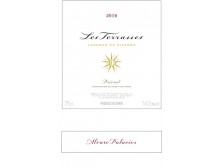
Priorat is, since 1954, one of the only two "qualified" designations of origin ( with Rioja). However, world fame for this terroir only came about in the 1990s, under the impetus of Álvaro Palacios and René Barbier (Clos Mogador). With its very steep terrain, schist and slate soils and a climate full of contrasts due to its altitude (300 m to 1000 m), Priorat is a land of predilection for grenache (the flesh) and carignan (the bones).
In addition to the usual quality standards (very old vines, low yields, manual harvesting, etc.), what is most striking about Álvaro Palacios is his modern vision of Priorat with, from top to bottom of his range, wines that harmoniously combine minerality, richness, elegance and sweetness. If Ermita has rightly become a cult wine that is sought after worldwide, it is the harmony of its range, down to the "small" Camins del Priorat, that commands admiration.
The range of Álvaro Palacios is built around Grenache (as in Rayas), whose proportion in the blend increases with the quality of the wine. In addition, each cuvée contains a small amount (1% to 2%) of white grapes (white grenache, macabeu...) for added freshness.Les Terrasses comes from old north-facing vines, 50% Grenache and 50% Carignan, with aromas of ripe fruit (black cherry), round and suave without any heaviness.
More- To keep or to drink:
- Ready to drink
- Apogée:
- 2025-2032
- Alcohol degree:
- 14.5%
-
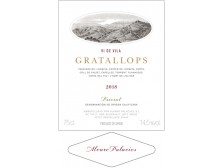
Priorat is, since 1954, one of the only two "qualified" designations of origin ( with Rioja). However, world fame for this terroir only came about in the 1990s, under the impetus of Álvaro Palacios and René Barbier (Clos Mogador). With its very steep terrain, schist and slate soils and a climate full of contrasts due to its altitude (300 m to 1000 m), Priorat is a land of predilection for grenache (the flesh) and carignan (the bones).
In addition to the usual quality standards (very old vines, low yields, manual harvesting, etc.), what is most striking about Álvaro Palacios is his modern vision of Priorat with, from top to bottom of his range, wines that harmoniously combine minerality, richness, elegance and sweetness. If Ermita has rightly become a cult wine that is sought after worldwide, it is the harmony of its range, down to the "small" Camins del Priorat, that commands admiration.
The range of Álvaro Palacios is built around Grenache (as in Rayas), whose proportion in the blend increases with the quality of the wine. In addition, each cuvée contains a small amount (1% to 2%) of white grapes (white grenache, macabeu...) for added freshness.In the heart of Priorat, Gratallops is an emblematic village, like Margaux in the Médoc. This Vi de Villa (= village wine in Catalan) comes from 5 parcels ranging in altitude from 300 to 430m. With 80% Grenache and 19% Carignan (the remaining 1% being white grapes), it's a complex, long and powerful wine, with a beautiful freshness and minerality giving it energy and dynamism.
More- To keep or to drink:
- Ready to drink
- Apogée:
- 2026-2038
- Alcohol degree:
- 14%
-
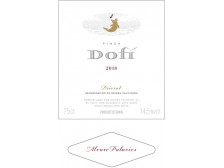
Priorat is, since 1954, one of the only two "qualified" designations of origin ( with Rioja). However, world fame for this terroir only came about in the 1990s, under the impetus of Álvaro Palacios and René Barbier (Clos Mogador). With its very steep terrain, schist and slate soils and a climate full of contrasts due to its altitude (300 m to 1000 m), Priorat is a land of predilection for grenache (the flesh) and carignan (the bones).
In addition to the usual quality standards (very old vines, low yields, manual harvesting, etc.), what is most striking about Álvaro Palacios is his modern vision of Priorat with, from top to bottom of his range, wines that harmoniously combine minerality, richness, elegance and sweetness. If Ermita has rightly become a cult wine that is sought after worldwide, it is the harmony of its range, down to the "small" Camins del Priorat, that commands admiration.
The range of Álvaro Palacios is built around Grenache (as in Rayas), whose proportion in the blend increases with the quality of the wine. In addition, each cuvée contains a small amount (1% to 2%) of white grapes (white grenache, macabeu...) for added freshness.Finca Dofì is the benchmark wine of Álvaro Palacios, which has contributed at least as much to its fame as L'Ermita. A 10 ha vineyard, 85% Grenache, 15% Carignan, the most voluptuous wine of the range, deep, generous and with perfectly coated tannins. Like a sensual Châteauneuf-du-Pape.
More- To keep or to drink:
- Wait 1 to 2 years
- Apogée:
- 2028-2044
- Alcohol degree:
- 14.5%
-
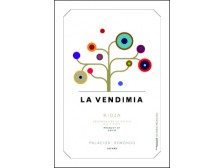
Flag bearer of the new Spanish viticulture, Alvaro Palacios has built its reputation with its Priorat wines, including the flagship Ermita. In 2000, he returned to take care of the family property located east of the Rioja appellation. Over 100 hectares, the vineyard has been divided equally between grenache and tempranillo in organic conversion since 2015.
Vendimia is, as announced on its colourful label, a fruit can barely aged in barrels (4 months).More- To keep or to drink:
- Ready to drink
- Apogée:
- 2026-2032
-
Flag bearer of the new Spanish viticulture, Alvaro Palacios has built its reputation with its Priorat wines, including the flagship Ermita. In 2000, he returned to take care of the family property located east of the Rioja appellation. Over 100 hectares, the vineyard has been divided equally between grenache and tempranillo in organic conversion since 2015.
Vendimia is, as announced on its colourful label, a fruit can barely aged in barrels (4 months).More- To keep or to drink:
- Ready to drink
- Apogée:
- 2024-2030
-
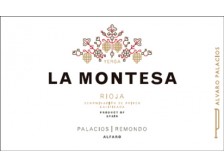
Flag bearer of the new Spanish viticulture, Alvaro Palacios has built its reputation with its Priorat wines, including the flagship Ermita. In 2000, he returned to take care of the family property located east of the Rioja appellation. Over 100 hectares, the vineyard has been divided equally between grenache and tempranillo in organic conversion since 2015.
La Montesa is the Domaine's main cuvée, sweet, velvety and aged in barrels for 12 months. One of the most popular wines in Spain.2.15.1.0More- To keep or to drink:
- Ready to drink
- Apogée:
- 2024-2032
- Alcohol degree:
- 14%