





Catalog
This section includes all the novelties that were not present in our previous catalogue.
It groups together the châteaux and domaines that are making their entry (or their return!) into our selections, but also the new cuvées from producers that we were already following closely.
In any case, these wines are as deserving of your attention as they have been of ours, and we guarantee that they will be in our selections for a long time to come.
-
Since arriving in 2014, Pierre Demets has breathed new life into the family estate, which comprises 10 hectares of vineyards on the high slopes of the Bar Valley. Committed to the natural balance of the vineyards, biodiversity, and soil conservation, he approaches his work with the precision of a master craftsman: agronomic precision, refined winemaking techniques, measured aging, and minimal dosages. This estate, which is constantly improving and already featured on the wine lists of the finest restaurants (Crillon, Ducasse, Apicius...), perfectly expresses the full potential of Champagne’s southern terroirs.
Tradition is a remarkable Blanc de Noirs with a low dosage (3.5 g/L), combining vinous character, minerality, and structure. And it offers an amazing value for the price!
More- To keep or to drink:
- Ready to drink
- Apogée:
- 2026-2030
- Blend:
- 100% Pinot noir
-
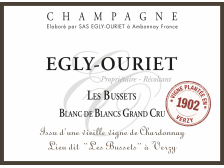
A precise and meticulous winemaker, Francis Égly is at the pinnacle of the Champagne region. With his beautifully situated vineyards in Grand Cru (Pinot Noir and Chardonnay in Ambonnay, Bouzy, and Verzenay) and Premier Cru (in Vrigny and Bisseuil) appellations, he crafts wines of extraordinary vinosity, intensity, and noble character, always walking a fine line between the full ripeness of the grapes and a delicate, chalky minerality. All of his cuvées are vinified in oak and without malolactic fermentation. Critics are enthusiastic; as Mr. Bettane puts it, “Égly-Ouriet sets the standard for all Champagne winemaking with crus of astral depth.” Égly-Ouriet earned its fourth star in the 2025 edition of the Revue du Vin de France guide.
The estate’s first Blanc de Blancs, the Les Bussets cuvée, comes from an exceptional Chardonnay vineyard planted in 1902 on the eponymous plot in Verzy. Aged in barrels and made exclusively from the 2018 harvest, it was aged for seven years before disgorgement, revealing the full character of this terroir (classified as Grand Cru).More- Availability:
- November 2026
- To keep or to drink:
- Ready to drink
- Apogée:
- 2025-2035
- Grape varieties:
- 100% Chardonnay
- Bottling:
- 2019
- Dosage:
- 1 gram / liter
- Blend:
- 100% récolte 2018
-
Maison Roederer has been regaining its lustre since 2010, under the guidance of its excellent cellar master Mr. Lecaillon, a firm believer in permaculture and agroforestry who in 2018 put half (120 ha) of the vineyard into organic conversion. The House's style is now oriented towards straightforwardness and salinity, refined and uncluttered wines.
The range begins with the cuvée Collection, as much an aperitif champagne as a meal wine, thanks to the addition of reserve wines. Then come three vintages (Brut, Rosé and Blanc de Blancs) to conclude with Cristal, their world-famous flagship cuvée.
Brut Nature is a new transversal cuvée, produced only in great years, where purity (zero dosage) and generosity (pinot noir dominance) are the watchwords.More- To keep or to drink:
- Ready to drink
- Apogée:
- 2026-2038
-
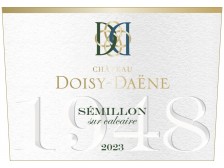
First produced in 2023, the ‘Sémillon sur calcaire’ cuvée – a selection from the oldest Sémillon vines, fermented and aged for 10 months in one-wine barrels – offers an enveloping complexity and aromatic richness against a lively, crystalline backdrop. A new great dry white wine that pays tribute to Sémillon and the south of the Gironde!
More- To keep or to drink:
- Wait 1 to 2 years
- Apogée:
- 2027-2034
-
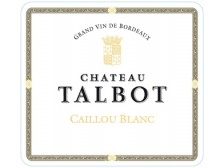
Based on Sauvignon (with a hint of Semillon), Caillou Blanc has been presented for 50 years as the archetype of Médoc dry white wine: pale colour, between delicate freshness and aromatic distinction (lemon, bitter orange, honeysuckle), never too full or demonstrative. A model of elegance, never too lavish or ostentatious, and always reasonably priced.
More- To keep or to drink:
- Wait 1 to 2 years
- Apogée:
- 2027-2034
- Alcohol degree:
- 13%
-
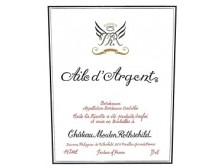
Mouton-Rothschild’s little-known dry white wine (1,000 cases produced annually). Made from 55 per cent Sauvignon, 45 per cent Sémillon and a touch of Muscadelle, the intense and flavourful 2024 vintage (citrus, menthol and white pepper) does credit to the white wines of the Médoc.
More- To keep or to drink:
- Wait 3 to 5 years
- Apogée:
- 2029-2040
-
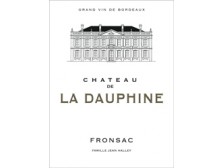
Certified organic since 2015 and with a vineyard that is entirely biodynamic, Château de La Dauphine aims, beyond its 350 years of history, to set an example of modern winegrowing that is mindful of environmental issues. The wines, with more finesse than extraction, lack neither substance nor charm. "La Dauphine is clearly one of Fronsac's benchmarks," says Mr Galloni.
More- To keep or to drink:
- Wait 1 to 2 years
- Apogée:
- 2027-2034
- Organic certification:
- 2015
- Alcohol degree:
- 14%
-
Certified organic since 2015 and with a vineyard that is entirely biodynamic, Château de La Dauphine aims, beyond its 350 years of history, to set an example of modern winegrowing that is mindful of environmental issues. The wines, with more finesse than extraction, lack neither substance nor charm. "La Dauphine is clearly one of Fronsac's benchmarks," says Mr Galloni.
The 2023 vintage in the press:
La Revue du Vin de France (Guide 2027) : 91/100 “La Dauphine confirms the estate’s progress, revealing sparkling fruit and velvety tannins that highlight an intense minerality. It can be enjoyed now… or laid down for fifteen years.”
Vinous (A. Galloni – March 2026): 94/100 "The 2023 La Dauphine is very fine. Blackberry, crème de cassis, lavender, licorice and dark chocolate are front and center. In 2023, La Dauphine is not quite as powerful as it can be, and yet its balance is terrific. Floral top notes and clean mineral notes lift the finish nicely."
Vinous (N. Martin - February 2026): 92/100 "The 2023 Château de La Dauphine has a refined and focused bouquet with blackberry, briar and light tobacco scents. The palate is medium-bodied with grainy tannins, fine acidity, fresh blackberry and wild strawberry fruit laced with cedar and, again, tobacco toward the finish. Delightful."
Bettane et Desseauve (Guide 2027) : 92/100
More- To keep or to drink:
- Wait 1 to 2 years
- Apogée:
- 2027-2035
- Organic certification:
- 2015
- Alcohol degree:
- 14%
-
Certified organic since 2015 and with a vineyard that is entirely biodynamic, Château de La Dauphine aims, beyond its 350 years of history, to set an example of modern winegrowing that is mindful of environmental issues. The wines, with more finesse than extraction, lack neither substance nor charm. "La Dauphine is clearly one of Fronsac's benchmarks," says Mr Galloni.
More- To keep or to drink:
- Ready to drink
- Apogée:
- 2026-2036
- Organic certification:
- 2015
-
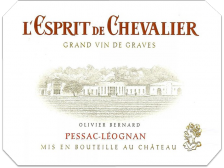
L'Esprit de Chevalier follows the same path as a great wine: an increasingly fine structure, a remarkable qualitative evolution in recent vintages, and an ever-relevant quality-price ratio.
More- To keep or to drink:
- Wait 1 to 2 years
- Apogée:
- 2027-2034
- Organic certification:
- 2024
-
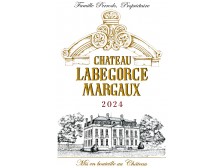
Labégorce was born of the merger of Châteaux Labégorce and Labégorce-Zédé, brought together under a single entity by the Perrodo family (Tour de Mons, Marquis d'Alesme). Since 1989, every effort has been made to produce a Margaux that is harmonious, charming and brilliantly fruity.
More- To keep or to drink:
- Wait 1 to 2 years
- Apogée:
- 2028-2035
- Alcohol degree:
- 13%
-
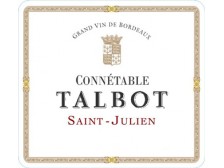
First produced in the 1970s, Connétable Talbot is one of the Médoc’s earliest second wines. It offers an elegant, smooth, and flavorful expression of the grand vin that is ready to drink very quickly.
More- To keep or to drink:
- Wait 1 to 2 years
- Apogée:
- 2027-2034
-
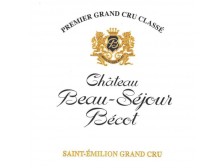
Beau-Séjour Bécot is now in the hands of the third generation, represented by Juliette Bécot and her husband Julien Barthe. These dynamic forty-somethings have no shortage of inspiration when it comes to producing “modern” wines, adapted to climatic challenges and consumer expectations: replanting in a north/south direction to avoid overheating the grapes, the choice of a new consultant oenologist (Thomas Duclot) who favors wines that are not overly demonstrative, early harvesting and measured extractions to preserve the freshness of the fruit, less new wood (55%) and the use of tuns and jars (20%) to lighten the tannic structure...
Since the construction of the new winery in 2023, the wines have excelled thanks to their elegant, uncluttered structure, their gourmet, fruity and floral aromas, and their dynamic, sapid finishes. For the Revue du Vin de France, as for us, “this is the archetypal Bordeaux that can be enjoyed now, but also put away in the cellar”.The 2023 vintage in the press:
La Revue du Vin de France (Guide 2027) : 95/100 “Beau-Séjour Bécot 2023 lives up to expectations. This vintage has gained depth and richness, with a structure featuring superb tannins. The wine is beginning to settle, displaying great harmony and a welcome medium-bodied character.”
Vinous (A. Galloni – March 2026): 98/100 “The 2023 Beau-Séjour Bécot is fabulous. Vibrant and delineated, the 2023 is a gorgeous, statuesque beauty. The precision here is just unreal. Soaring aromatics, vibrant red-toned fruit and polished tannins convey finesse. Vibrant saline notes stain the palate on the finish. Beau-Séjour Bécot is one of the very finest wines of the Right Bank in 2023.”
JM Quarin (February 2026): 95/100 “A beautiful, deep, intense and vibrant colour. Very aromatic, fruity nose. A hint of resin. Delicate on the attack, smooth on the mid-palate, with flavours of exotic fruits and depth between the mid-palate and the finish; the wine finishes long, juicy and flavourful. A sap-like tannic structure evoking limestone. Very good length.”
Bettane et Desseauve (Guide 2027) : 95/100
More- To keep or to drink:
- Wait 5 to 10 years
- Apogée:
- 2032-2045
- Grape varieties:
- 85% Merlot, 13% Cabernet Franc, 2% Cabernet Sauvignon
-
Beau-Séjour Bécot is now in the hands of the third generation, represented by Juliette Bécot and her husband Julien Barthe. These dynamic forty-somethings have no shortage of inspiration when it comes to producing “modern” wines, adapted to climatic challenges and consumer expectations: replanting in a north/south direction to avoid overheating the grapes, the choice of a new consultant oenologist (Thomas Duclot) who favors wines that are not overly demonstrative, early harvesting and measured extractions to preserve the freshness of the fruit, less new wood (55%) and the use of tuns and jars (20%) to lighten the tannic structure...
Since the construction of the new winery in 2023, the wines have excelled thanks to their elegant, uncluttered structure, their gourmet, fruity and floral aromas, and their dynamic, sapid finishes. For the Revue du Vin de France, as for us, “this is the archetypal Bordeaux that can be enjoyed now, but also put away in the cellar”.The 2019 vintage in the press:
Vinous (N. Martin - January 2023) : 95/100 "The 2019 Beau-Séjour-Bécot just lacks a bit of energy on the nose, dusky black fruit, sous-bois and dry tobacco. Old school. The palate is medium-bodied with finely-hewn tannins, very well balanced, lovely purity with a caressing and persistent finish. Classy winemaking."
More- To keep or to drink:
- Ready to drink
- Apogée:
- 2025-2038
-
Beau-Séjour Bécot is now in the hands of the third generation, represented by Juliette Bécot and her husband Julien Barthe. These dynamic forty-somethings have no shortage of inspiration when it comes to producing “modern” wines, adapted to climatic challenges and consumer expectations: replanting in a north/south direction to avoid overheating the grapes, the choice of a new consultant oenologist (Thomas Duclot) who favors wines that are not overly demonstrative, early harvesting and measured extractions to preserve the freshness of the fruit, less new wood (55%) and the use of tuns and jars (20%) to lighten the tannic structure...
Since the construction of the new winery in 2023, the wines have excelled thanks to their elegant, uncluttered structure, their gourmet, fruity and floral aromas, and their dynamic, sapid finishes. For the Revue du Vin de France, as for us, “this is the archetypal Bordeaux that can be enjoyed now, but also put away in the cellar”.The 2018 vintage in the press:
Vinous (A. Galloni - March 2021) : 96/100 "The 2018 Beau-Séjour Bécot has really closed down since I tasted it en primeur. Inky red/purplish fruit, lavender, rose petal, mint and blood orange gradually open in the glass, all framed by veins of chalky minerality. The 2018 is a fabulous wine in the making, but readers have to be patient. Time in a decanter or simply in the glass helps to bring out the wine's considerable depth."
More- To keep or to drink:
- Wait 1 to 2 years
- Apogée:
- 2028-2042
-
Beau-Séjour Bécot is now in the hands of the third generation, represented by Juliette Bécot and her husband Julien Barthe. These dynamic forty-somethings have no shortage of inspiration when it comes to producing “modern” wines, adapted to climatic challenges and consumer expectations: replanting in a north/south direction to avoid overheating the grapes, the choice of a new consultant oenologist (Thomas Duclot) who favors wines that are not overly demonstrative, early harvesting and measured extractions to preserve the freshness of the fruit, less new wood (55%) and the use of tuns and jars (20%) to lighten the tannic structure...
Since the construction of the new winery in 2023, the wines have excelled thanks to their elegant, uncluttered structure, their gourmet, fruity and floral aromas, and their dynamic, sapid finishes. For the Revue du Vin de France, as for us, “this is the archetypal Bordeaux that can be enjoyed now, but also put away in the cellar”.The 2016 vintage in the press:
Vinous (N. Martin - February 2026) : 94/100 "The 2016 Beau-Séjour Bécot has a relatively backward nose: blackberry, briary, touches of gravel and tobacco developing with time in the glass. The palate is medium-bodied with fine tannins and a crisp thread of acidity. Bright and lively, I like the edginess that may well come from limestone terroir. More sophisticated on the finish than its rival, this is a lovely Saint-Emilion."
More- To keep or to drink:
- Ready to drink
- Apogée:
- 2025-2040
-
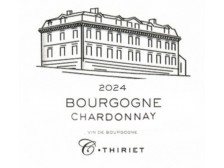
Having cut their teeth at Nicolas Potel, Camille Thiriet and Matt Chittick set out on their own in 2022 by establishing their own estate with 6 hectares of vines in Corgoloin, a village in the Côte de Nuits on the edge of the Côte de Beaune. Their aim is clear: to cultivate and vinify wines from secondary appellations in the style of grands crus (their range comprises six Burgundies and seven Côtes de Nuits Villages). Crafted with intuition and sensitivity, their micro-cuvées – rarely more than four barrels – are exciting gems that stand out for their rare balance and precision. They reveal the full value and richness of the terroirs of the southern Côte de Nuits. The estate was awarded one star in the 2027 edition of the Revue du Vin de France guide: “A producer to watch closely”.
Produced from a century-old vineyard in Mâcon-Cruzille, this unique Cuvée Confidentielle has been deliberately reclassified as Bourgogne Blanc to prioritise balance and freshness. Aged for 10 months in oak barrels, this Chardonnay reveals a taut yet harmonious palate, characterised by lovely minerality. The aromas evoke chalk, flint and a subtle hint of the sea, highlighting the purity of the fruit and the precision of the terroir. A discreet, finely crafted and vibrant white wine.
More- To keep or to drink:
- Wait 1 to 2 years
- Apogée:
- 2027-2035
- Grape varieties:
- 100% Chardonnay
-
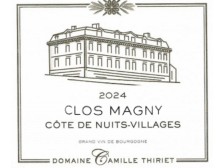
After cutting their teeth at Nicolas Potel, Camille Thiriet and Matt Chittick set out on their own in 2022 by establishing their own estate with 6 hectares of vines in Corgoloin, a village in the Côte de Nuits on the edge of the Côte de Beaune. Their aim is clear: to cultivate and vinify wines from secondary appellations in the style of grands crus (their range comprises six Burgundies and seven Côtes de Nuits Villages). Crafted with intuition and sensitivity, their micro-cuvées – rarely more than four barrels – are exciting gems that stand out for their rare balance and precision. They reveal the full value and richness of the terroirs of the southern Côte de Nuits. The estate was awarded one star in the 2027 edition of the Revue du Vin de France guide: “A producer to watch closely”.
The 2024 vintage in the press :
La Revue du Vin de France (Guide 2027) : 94/100 “The aromatic vibrancy of the ‘touch of green’ comes into its own with the Clos Magny, complementing a wine that is firmer, more structured, full-bodied, deep yet always graceful.”
More- To keep or to drink:
- Wait 1 to 2 years
- Apogée:
- 2028-2042
- Grape varieties:
- 100% Pinot noir
-
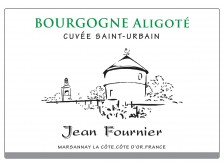
A leader in the Marsannay appellation, the Domaine Fournier offers wine lovers a rare opportunity to purchase fine Pinot Noir wines from the northern Côte de Nuits at reasonable prices. With 21 hectares, including 17 hectares in Marsannay, this estate produces exciting wines with deep colour, full-bodied and intense, always balancing richness and freshness, indulgence and finesse.
Awarded one star in the Revue du Vin de France guide and listed among the properties to watch in the Bettane & Desseauve guide: ‘Laurent Fournier, with his humour, intelligence and delicacy, is one of the most brilliant talents of the new Burgundian generation.’
The 2024 vintage in the press :
Vinous (N. Martin - January 2026) : 87-89/100 "The 2024 Bourgogne Aligoté Cuvée Saint Urbain contains fruit from Aux Boutières this year, matured in stainless steel. This has a vigorous nose with touches of yellow plum, pithy pear and honeysuckle scents. Fine delineation. The palate is very well balanced with a fine bead of acidity, taut and linear, perhaps just missing a bit of chutzpah on the finish but it is a decent Aligoté that will give four to five years' drinking pleasure."
More- To keep or to drink:
- Wait 1 to 2 years
- Apogée:
- 2027-2032
- Organic certification:
- 2008
-
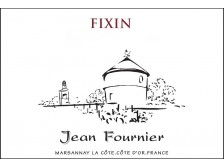
As a major player in the Marsannay appellation, Domaine Fournier gives wine lovers the rare opportunity to acquire great Pinots from the northern part of the Côte de Nuits at a reasonable price. With 21 hectares, 17 of which are in Marsannay, this estate produces enthusiastic, deep-coloured, fleshy and intense wines, always on the edge between richness and freshness, delicacy and finesse.
Rated one star in the Revue du Vin de France guide, and one of the properties to watch in the Bettane & Desseauve guide: “Laurent Fournier, with his humor, intelligence and delicacy, is one of the most brilliant talents of the new Burgundy generation”.The 2024 vintage in the press :
La Revue du Vin de France (Guide 2027) : 91/100 “Displaying greater structural finesse than the Marsannays, the Fixin exudes elegance, despite a persistent reduction.”
More- To keep or to drink:
- Wait 1 to 2 years
- Apogée:
- 2028-2038
- Organic certification:
- 2008
-
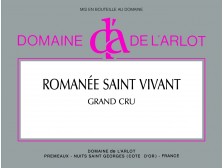
Owned by AXA Millésimes since 1987, Domaine de l'Arlot spans 15 hectares between Nuits-Saint-Georges (Prémeaux) and Vosne-Romanée. This is an estate of excellence, producing some of the most intense, precise whites on the Côte de Nuits, as well as dense reds with chiselled structures that are simultaneously fleshy and delicate.
Rated two stars in the Revue du Vin de France guide (from 2026 onwards).
The 2024 vintage in the press:
La Revue du Vin de France (Guide 2027) : 91/100 “The Romanée-Saint-Vivant has a slender profile, with a distinguished restraint and undeniable finesse.”
More- To keep or to drink:
- Wait 5 to 10 years
- Apogée:
- 2034-2050
- Organic certification:
- 2022
- Grape varieties:
- 100% Pinot noir
-
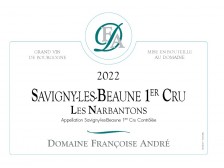
In 2010, the arrival of Lauriane André (Françoise's daughter-in-law) breathed new life into the family estate: 7.5 hectares around the famous Corton hill. This young winemaker had very clear ideas: conversion to biodynamic viticulture(acquired in 2012), limited yields, careful sorting of grapes, no yeasting, moderate use of new barrels (30% maximum). The results are already there, with the magazine Bourgogne Aujourd'hui nominating her as one of the 5 hopefuls of 2013, stating that " her wines are already among the best that the Côte de Beaune has to offer ". It has to be said that her role models are Patrick Bize and Jean-François Coche-Dury...
Well done! Lauriane André was named Burgundy Winemaker of the Year in the 2023 Hachette guide: " Domaine Françoise André has established itself as an essential Côte de Beaune signature ".
More- To keep or to drink:
- Wait 1 to 2 years
- Apogée:
- 2028-2036
- Organic certification:
- 2012
-
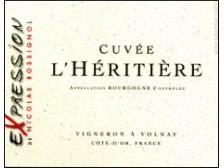
In 1997, inspired by the principles of biodynamic viticulture and with a superb plant heritage on the best vineyards of Volnay and Pommard, Nicolas Rossignol began to produce sensitive, pure and slender wines in the great Burgundian style, but with a touch of modernity that gives them depth, grace and seduction. Rich and tasty, his wines win everyone's approval, starting with those of Mr. Bettane: "Nicolas Rossignol is certainly one of the most promising talents of his generation in the Côte de Beaune. We are approaching the quintessence of the Côte de Beaune".
More- To keep or to drink:
- Ready to drink
- Apogée:
- 2026-2033
-
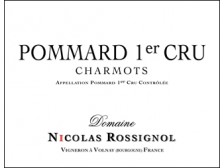
In 1997, inspired by the principles of biodynamic viticulture and with a superb plant heritage on the best vineyards of Volnay and Pommard, Nicolas Rossignol began to produce sensitive, pure and slender wines in the great Burgundian style, but with a touch of modernity that gives them depth, grace and seduction. Rich and tasty, his wines win everyone's approval, starting with those of Mr. Bettane: "Nicolas Rossignol is certainly one of the most promising talents of his generation in the Côte de Beaune. We are approaching the quintessence of the Côte de Beaune".
More- To keep or to drink:
- Wait 1 to 2 years
- Apogée:
- 2027-2038
-

In 2004, Jean-Michel Chartron gave new impetus to the family domaine, blessed with an extraordinary land heritage (Clos des Chevaliers is the best part of Chevalier-Montrachet, itself considered the best climat in Puligny after Montrachet). The estate's 14.5 hectares have been farmed organically (without certification) ever since.
Mineral, nervous, powerful and long, with a crystalline purity, its wines are among Puligny's finest.More- To keep or to drink:
- Wait 1 to 2 years
- Apogée:
- 2028-2036
- Grape varieties:
- 100% chardonnay
-
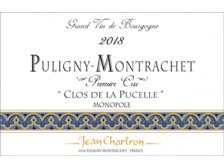
In 2004, Jean-Michel Chartron gave new impetus to the family domaine, blessed with an extraordinary land heritage (Clos des Chevaliers is the best part of Chevalier-Montrachet, itself considered the best climat in Puligny after Montrachet). The estate's 14.5 hectares have been farmed organically (without certification) ever since.
Mineral, nervous, powerful and long, with a crystalline purity, its wines are among Puligny's finest.More- To keep or to drink:
- Wait 3 to 5 years
- Apogée:
- 2030-2042
- Grape varieties:
- 100% chardonnay
-
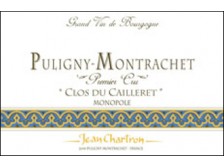
In 2004, Jean-Michel Chartron gave new impetus to the family domaine, blessed with an extraordinary land heritage (Clos des Chevaliers is the best part of Chevalier-Montrachet, itself considered the best climat in Puligny after Montrachet). The estate's 14.5 hectares have been farmed organically (without certification) ever since.
Mineral, nervous, powerful and long, with a crystalline purity, its wines are among Puligny's finest.More- To keep or to drink:
- Wait 3 to 5 years
- Apogée:
- 2030-2044
- Grape varieties:
- 100% chardonnay
-
Since 1994, Tardieu-Laurent has been selecting and ageing wines from very old vines grown in the finest terroirs of each appellation. A partner until 2007 with Dominique Laurent, renowned for the concentration of his Burgundy wines, Michel Tardieu has, owing to the innate richness of the wines of the Rhône Valley, always sought to emphasise elegance and aromatic complexity in his selections.
Since the 2018 vintage, Michel and Bastien Tardieu have been setting aside, as soon as the harvest begins, any cuvée (rarely more than two barrels) with exceptional characteristics, a combination of an exceptional terroir, very old vines and an ideal vintage. These micro-selections receive special care tailored to the circumstances: vinification entirely or partly using whole bunches, fermentation in barrels, extended ageing on fine lees plus six months of finishing in stoneware amphorae, and bottling without fining or filtration.
These exceptional cuvées, capable of rivalling the finest wines from the Rhône’s greatest producers, are named “Le Goût du Lieu” because each bottle comes from a specific plot and aims to be the perfect embodiment of the appellation from which it originates.
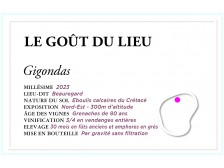
A hamlet known as Beauregard above the village of Gigondas, with 80-year-old vines planted entirely with Grenache.
More- To keep or to drink:
- Wait 5 to 10 years
- Apogée:
- 2032-2045
- Alcohol degree:
- 13.5%
- Grape varieties:
- 100% Grenache
-
Since 1994, Tardieu-Laurent has been selecting and ageing wines from very old vines grown in the finest terroirs of each appellation. A partner until 2007 with Dominique Laurent, renowned for the concentration of his Burgundy wines, Michel Tardieu has, owing to the innate richness of the wines of the Rhône Valley, always sought to emphasise elegance and aromatic complexity in his selections.
Since the 2018 vintage, Michel and Bastien Tardieu have been setting aside, as soon as the harvest begins, any cuvée (rarely more than two barrels) with exceptional characteristics, a combination of an exceptional terroir, very old vines and an ideal vintage. These micro-selections receive special care tailored to the circumstances: vinification entirely or partly using whole bunches, fermentation in barrels, extended ageing on fine lees plus six months of finishing in stoneware amphorae, and bottling without fining or filtration.
These exceptional cuvées, capable of rivalling the finest wines from the Rhône’s greatest producers, are named “Le Goût du Lieu” because each bottle comes from a specific plot and aims to be the perfect embodiment of the appellation from which it originates.
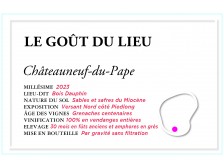
A locality known as Bois Dauphin on the northern slope of Châteauneuf, with century-old vines planted entirely with Grenache.
More- To keep or to drink:
- Wait 3 to 5 years
- Apogée:
- 2029-2043
- Grape varieties:
- 100% Grenache
-
Taking over 10 hectares of vines from the family estate to set up his own winery, Mickaël Salmon launched his venture in 2019 with a clear vision: conversion to organic farming, ageing on lees in suitable vessels (glazed cement vats, ceramic jars, clay eggs, oak demi-muids, etc.), no stirring to preserve the wines’ full freshness, and bottling without filtration and under inert gas. From his very first vintages, Lucas Salmon has been among the rising stars of Muscadet, an appellation undergoing a revival. Featured in the 2027 edition of the Revue du Vin de France guide: “His wines retain the classic style and integrity that define the greatness of the Muscadet appellation, whilst embracing a freer, more contemporary approach”.
Le Fief Cognard is made entirely from Folle Blanche, a mass selection of old vines planted between 1949 and 1977, showcasing the vigour and liveliness of this grape variety, beautifully refined by 10 months’ ageing in clay eggs.
More- To keep or to drink:
- Wait 1 to 2 years
- Apogée:
- 2028-2035
- Alcohol degree:
- 12%
- Grape varieties:
- 100% Folle Blanche