





Catalog
To celebrate Black Friday, we're offering discounts on a wide selection of items from our catalog for the first time ever. Take advantage of these exclusive prices to get ready for the holidays or just treat yourself.
-

The second wine of Haut-Bailly, called La Parde de Haut-Bailly until 2018. In the same style as its big brother, all restraint and finesse, and increasingly charming thanks to an increased proportion of Merlot since 2010.
A second wine of “flawless consistency and unfailing elegance”, according to Bettane & Desseauve (Guide 2025).
The 2019 vintage in the press:
La Revue du Vin de France (September 2022): 93/100 Coup de ♥ “Very nobly perfumed, Haut-Bailly's second wine displays remarkable depth.”
Vinous (N. Martin - December 2021): 93/100 "The 2019 Haut-Bailly II, the second wine of Haut-Bailly, has accentuated the sous-bois elements on the nose since bottling, now feeling quintessentially Pessac-Léognan and quite marine-influenced in style. The palate is medium-bodied with fine tannins, taut and fresh, still a little piquant on the finish but with more precision than I recall. This is very impressive. Excellent."
More- To keep or to drink:
- Ready to drink
- Apogée:
- 2024-2032
- Alcohol degree:
- 14%
-

Bought in 1988 and then renovated from top to bottom, Malartic-Lagravière is back to the fine, straight and distinguished style that made it successful in the 1950s and 1960s.
The 2016 vintage in the press:
Jean-Marc Quarin (February 2019): 94/100 “Dark, intense and beautiful color. Moderately intense, ripe-fruited nose, with a touch more reminiscent of the Right Bank. A hint of pinewood contributes to the overall freshness. Smooth and melting from the outset, the wine develops a juicy, fragrant mid-palate, with a hint of resin in its flavor. It evolves fat, deep, with flavor, flesh and fine tannins.”
Vinous (N.Martin - January 2019): 95/100 “The 2016 Malartic-Lagravière has a wonderful bouquet of fragrant red fruits, enhanced by potpourri, black olive tapenade and light brine aromas - a bouquet full of personality. The fresh, harmonious palate is medium-bodied, with supple tannins, fine acidity and just the right amount of salinity on the earthy finish. Good wine from the Bonnies.”
More- To keep or to drink:
- Ready to drink
- Apogée:
- 2023-2036
- Alcohol degree:
- 13.5%
-

Second red wine of La Mission Haut-Brion, created in 1991 and greatly improved since 2006 by the addition of the entire vineyard of La Tour Haut-Brion.
More- To keep or to drink:
- Wait 3 to 5 years
- Apogée:
- 2029-2040
- Grape varieties:
- 29,2% Merlot, 56,3% Cabernet Sauvignon, 14,5% Cabernet Franc
-
Second red wine of La Mission Haut-Brion, created in 1991 and greatly improved since 2006 by the addition of the entire vineyard of La Tour Haut-Brion.
The 2021 vintage in the press:
J-M Quarin (February 2024): 91/100 “To taste this wine at 9 in the morning and not be able to spit, that's the rarity. And then there's the voluptuous body and that distinctive aroma that I can't find anywhere else.”
Vinous (A. Galloni - December 2023): 90/100 “The 2021 La Chapelle de La Mission Haut-Brion is laced with crushed flowers, sweet red berry fruit, spice and pipe tobacco. La Chapelle is quite floral and delicate in 2021. Its understated personality is quite charming. Bright acids on the finish are a reminder of the cool, rainy growing season.”
More- To keep or to drink:
- Ready to drink
- Apogée:
- 2026-2038
- Alcohol degree:
- 13.5%
-
Virtually abandoned in 1993 when Mr and Mrs Cathiard bought it, Smith Haut Lafitte now shines brightly among the elite of Bordeaux's left bank. The progress made is admirable, as the Cathiards spared no effort: restoring the vineyard, building a vat room and an underground cellar, introducing state-of-the-art equipment, converting to organic farming... The latest vintages demonstrate increased structural finesse and aromatic delicacy. Bravo!
The 2022 vintage in the press:
Vinous (A. Galloni - January 2025): 97+/100 "The 2022 Smith Haut Lafitte is silky, elegant and nuanced. It's all there. A wine of precision and class, the 2022 is so impressive. Refined, supple tannins wrap around a core of blue/purplish fruit, lavender, espresso and mocha. I find the 2022 a bit buttoned up today, but that is probably a very good thing for its long-term prospects. I look forward to seeing it age."
J-M Quarin (February 2025): 97/100 "Very intense colour. Very aromatic nose, fine, pure and rich. A hint of sunshine, followed by black fruit enhanced by spice and fine oak. Delicate on the palate, with a classy feel, the wine rises slowly on the finish. The finish is powerful, a little firm but also very tasty and long."
Bettane + Desseauve (Guide 2027) : 97/100
More- To keep or to drink:
- Wait 3 to 5 years
- Apogée:
- 2030-2045
- Organic certification:
- 2019
- Alcohol degree:
- 14.5%
-
Haut-Bailly is the most delicate of the Graves wines with a particularly silky tannic structure.
The 2015 vintage in the press:
Vinous (N. Martin - February 2025): 95/100 "The 2015 Haut-Bailly was first tasted at the Farr Vinters tasting, although I felt that this botte did not show as well. Another at the Vinous Icons event in New York is more represantative. Vibrant red berry fruit intermixes with blueberry and cassis on the nose. The palate is medium-bodied and retains a bit of puppy fat. Rich for the vintage, yet very well balanced, it delivers lovely black truffle and tobacco notes on the finish. This is very fine, but it needs further age in bottle."
More- To keep or to drink:
- Ready to drink
- Apogée:
- 2025-2038
- Alcohol degree:
- 14%
-
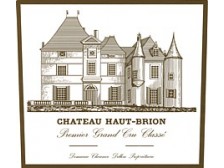
Haut-Brion is the most famous of all the Bordeaux growths, having twice been classified as 1er grand cru, in 1855 and again in 1959 (Graves classification). Haut-Brion is both the oldest of the Grands Crus, with more than five centuries (since 1509) behind it, and the most innovative, introducing stainless steel vats as early as 1960 and green harvesting as early as 1980.
Its particular situation within the Bordeaux agglomeration makes it the earliest Premier Cru on the left bank, a clear advantage in less mature vintages. For this reason, Haut-Brion's consistency is a benchmark for the whole of Bordeaux, with the intense bouquet of fresh earth, smoke and pine resin so characteristic of the appellation.
Fortunately, the unique silhouette of its bottle has disrupted the Asian market and has not triggered the same speculative interest there as it has for the other 1er grands crus classés. Haut-Brion is today without question the most qualitative and the least expensive of the premiers.The 2007 vintage in the press:
Vinous (S. Tanzer - July 2010): 94/100 "Bright ruby-red. Pure but youthfully inexpressive nose hints at raspberry and tobacco after extented aeration. Sweet, suave and pliant, with a silky texture perked up by minerality and lifted by a spicy component. Really lovely consistent ripeness here, showing neighter roasted nor green qualities. Took on a more floral character with air. This superbly elegant wine really saturates the palate and lingers. Tannins are fine and sweet."
More- To keep or to drink:
- Ready to drink
- Apogée:
- 2015-2028
- Alcohol degree:
- 13%
-
Haut-Brion is the most famous of all the Bordeaux growths, having twice been classified as 1er grand cru, in 1855 and again in 1959 (Graves classification). Haut-Brion is both the oldest of the Grands Crus, with more than five centuries (since 1509) behind it, and the most innovative, introducing stainless steel vats as early as 1960 and green harvesting as early as 1980.
Its particular situation within the Bordeaux agglomeration makes it the earliest Premier Cru on the left bank, a clear advantage in less mature vintages. For this reason, Haut-Brion's consistency is a benchmark for the whole of Bordeaux, with the intense bouquet of fresh earth, smoke and pine resin so characteristic of the appellation.
Fortunately, the unique silhouette of its bottle has disrupted the Asian market and has not triggered the same speculative interest there as it has for the other 1er grands crus classés. Haut-Brion is today without question the most qualitative and the least expensive of the premiers.The 2002 vintage in the press:
Vinous (S. Tanzer - May 2005): 92+/100 "Good ruby-red. Redcurrant, plum, tobacco and flowers on the nose. Suave and light on its feet, with excellent integrated acidity framing and extending the flavors. Classy and classic wine, finishing with a ripe, building tannins. This would be perfect with a cigar. Today Delmas and Masclet prefer this 2002 to te 2001 Haut-Brion, but for La Mission they give the edge to the 2001."
More- To keep or to drink:
- Ready to drink
- Apogée:
- 2014-2032
-

In 2000, Malescot Saint-Exupéry woke up under the leadership of Michel Rolland. Since then, in a generous and serene style, very rich for a Margaux, he has never ceased to distinguish himself. As the Revue du Vin de France wrote: "In 10 years, it is the wine that has made the most progress among the Margaux wines".
The 2021 vintage in the press:
La Revue du Vin de France (Guide 2025): 95/100 “The 2021 is obviously a little softer, but it's not lacking in assets; the nose is open, floral, and the palate unfolds with great elegance. It offers a lovely suave tannin finish”.
Vinous (A. Galloni - December 2023): 94/100 “The 2021 Malescot St. Exupéry is beautiful-a wine that isn't trying to be too much in this challenging vintage. Floral aromatics and silky tannins give this mid-weight edition of Malescot quite a bit of charm. All the elements are so nicely balanced. Crushed Flowers, dark red/purplish fruit, mint, spice and a dash of orange peel linger. This is nicely done.”
Bettane + Desseauve (Guide 2026) : 91/100
More- To keep or to drink:
- Wait 1 to 2 years
- Apogée:
- 2028-2040
- Alcohol degree:
- 13%
-
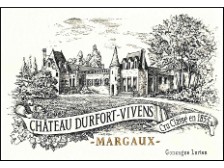
In organic conversion from 2013, Durfort-Vivens was one of the very first classified growths in the Médoc to claim and display organic certification from 2016. M. Bettane is one of its most fervent defenders: "the quality/price ratio remains absolutely unique at this level of quality of terroir and work.
The 2021 vintage in the press:
La Revue du Vin de France (Guide 2025): 94/100 “The great 2021 wine is heavily marked by Cabernet Sauvignon (97%). It is therefore logically rather straight and taut, but with plenty of breed and definition, with notes of red fruit, licorice and spices.”
Vinous (A. Galloni - December 2023): 95/100 “The Durfort-Vivens 2021 was magnificent, rich, dynamic and super-expressive. Above all, the 2021 is perfectly balanced. Black fruit, lavender, licorice, leather and clove burst from the glass. Today the 2021 is an infant. It needs time to shed some of its considerable tannin and for the acids to soften, although that might not ever fully happen.”
Bettane + Desseauve (Guide 2026) : 94/100
More- To keep or to drink:
- Ready to drink
- Apogée:
- 2026-2038
- Organic certification:
- 2016
- Alcohol degree:
- 13.5%
-

By the quality of the selections, and the creation of a 3rd wine from 2009, Pavillon Rouge would have easily been considered as the Great Wine of Château Margaux only 20 years ago.
The 2015 vintage in the press:
Vinous (N. Martin - February 2025): 90/100 “The 2015 Pavillon Rouge de Château Margaux has a light, earthy bouquet that requires more fruit presence, with scents of briary and black tea. The palate is medium-bodied and ferrous, with pliant tannins, dusky red fruit and a little attenuation toward the finish. The 2015 is drinking perfectly now."
Jean-Marc Quarin (September 2020): 95/100 “For the moment, the nose is a little discreet, with ripe, suave fruit and a hint of meatiness. It's the palate that sets this wine apart. Soft and melting from the outset, it develops complexity in the mid-palate, gaining power in the finish, but all in nuance. Very fine-grained, long finish with lots of flavor."
More- To keep or to drink:
- Ready to drink
- Apogée:
- 2025-2038
- Alcohol degree:
- 14%
-
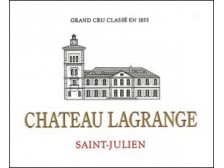
The most serious and regular of the great classified growths of Saint-Julien, and even of the Médoc. Whatever the vintage since 1986, Lagrange never disappoints, with a constancy and an accuracy that force respect!
The 2021 vintage in the press:
J-M Quarin (April 2022): 92/100 “Beautiful deep, dark color. Very aromatic nose, fine, fruity, fresh and ripe. Soft on the entry, juicy in the middle and as always very tasty, the wine caresses the palate, bursting with fruit. It finishes long, with a hint of ink and fleshy tannins. Very good."
Vinous (A. Galloni - December 2023): 94/100 “ The 2021 Lagrange turned out beautifully. Succulent red cherry, plum, cedar, tobacco, spice and mocha infuse the 2021 with gorgeous depth. Soft, succulent and inviting, Lagrange is wonderfully appealing. It will drink well with minimal cellaring.”
Bettane + Desseauve (Guide 2026) : 93/100
More- To keep or to drink:
- Ready to drink
- Apogée:
- 2026-2037
- Alcohol degree:
- 13.5%
-

Second wine of Ducru-Beaucaillou. As for the other wines made by Bruno Borie (Le Petit Ducru and Ducru-Beaucaillou), La Croix Ducru-Beaucaillou has considerably progressed since 2003 to the point of becoming a direct rival of the 3rd/4th classified growths of St-Julien. Moreover, it now benefits from a contribution of vines purchased from Château Terrey-Gros-Cailloux.
The 2022 vintage in the press:
La Revue du Vin de France (Guide 2026) : 95/100 "La Croix, a solid and deep Saint-Julien, both smooth and intense."
Vinous (A. Galloni - January 2025): 93/100 "The 2022 La Croix Ducru-Beaucaillou is a huge, dense wine. A blast of dark cherry, plum, chocolate, leather, incense and new leather saturates the palate. Broad, ample and explosive, with staining intensity, La Croix Ducru-Beaucaillou is a plush, opulent Saint-Julien. There's tremendous textural presence here, with the tannins to match."
Bettane + Desseauve (Guide 2026) : 94/100
More- To keep or to drink:
- Wait 3 to 5 years
- Apogée:
- 2030-2042
- Alcohol degree:
- 14%
-

Saint-Pierre's obvious progress since 2003 now places it as a great rival to its peers in Saint-Julien, even surpassing them in depth of flesh. Magnificent in recent vintages, such as the 2019 rated 95/100 by the Revue des Vins de France "Great success" or the 2020 rated 96/100 "one of the most accomplished and refined ever".
The 2021 vintage in the press:
La Revue du Vin de France (Guide 2025): 94/100 “The vintage continues to surprise us with its new style, much more defined and precise, closer to the fruit. This 2021 is juicy and sapid on the palate, all fruit, with caressing tannins on the finish.”
J.M Quarin (February 2024): 94/100
Vinous (A. Galloni - December 2023): 93/100 “ The 2021 Saint-Pierre is a dark, brooding wine. Black fruit, gravel, spice, menthol, licorice and lavender add to an impression of somber intensity. There's good depth and drive, even if some angular contours remain. As always, Saint-Pierre shows the more brooding side of Saint-Julien. It's all there in 2021.”Bettane + Desseauve (Guide 2026) : 93/100
More- To keep or to drink:
- Wait 1 to 2 years
- Apogée:
- 2027-2038
- Organic certification:
- 2024
- Alcohol degree:
- 13%
-

Since its purchase by Mr. Maroteaux, Branaire-Ducru has made rapid progress, as did the construction of the new winery, which allows it to work only by gravity, without a pump that could "chew" the wines. Branaire-Ducru is the leader of the appellation's 3-4ème crus classés (Lagrange, Talbot, Beychevelle, Saint-Pierre) and certainly the finest of them.
The 2023 vintage in the press:
La Revue du Vin de France (Guide 2027) : 94/100 “With its classic and refined character, Branaire-Ducru captivates with its natural elegance. The body, delicate yet substantial, showcases fresh and precise fruit. The texture is refined and the finish, supple and harmonious, lingers with a sense of balance. A composed, distinguished wine that remains true to its style.”
Vinous (A. Galloni – March 2026): 93/100 “The 2023 Branaire-Ducru is a very pretty, delicate wine. Floral and gracious, the 2023 is an understated, classy Saint-Julien. It offers lovely understated depth and fine overall balance. Crushed red/purplish berry fruit, rose petal, mint, blood orange, cinnamon and white pepper all grace this soft, open-knit Branaire. It will be interesting to see if this gains weight with time in bottle.”
J-M Quarin (March 2026) : 95/100 "Very aromatic nose with ripe fruit. Hints of black fruit. Even more subtle when swirled in the glass. Hints of vanilla and cedar. Meticulous on the palate, very aromatic in the middle, with classy texture, the wine melts on the palate, juicy, distinguished, noble and above all, impossible to spit out. It's superb!"
Vinous (N. Martin - February 2026): 93/100 “The 2023 Branaire Ducru was bottled at the end of June. It has a more generous bouquet than anticipated, black plum and raspberry fruit laced with cinnamon and graphite scents, typically Saint-Julien. Fine delineation. The palate is medium-bodied with a bright, quite high-toned entry with top notes of blue fruit, again, that graphite edge, plus a little tarriness toward the nicely structured finish. Classic claret through and through, which is just what you want from Branaire Ducru, this will drink sooner than the previous vintage.”
Bettane et Desseauve (Guide 2027) : 93/100
More- To keep or to drink:
- Wait 3 to 5 years
- Apogée:
- 2030-2044
-

With the help of Michel Rolland, Léoville-Poyferré has gained in depth since 1993, voluptuousness of texture and ability to age. It is now approaching the quality of its prestigious neighbours in which it is landlocked: Léoville-Las Cases and Pichon-Lalande. The competition between the three Léoville is intense but Léoville-Poyferré now prevails with an easier, more voluptuous approach, and a superior quality/price/pleasure ratio.
The 2021 vintage in the press:
La Revue du Vin de France (Guide 2025): 94/100 “The wine is marked by a greater maturity of fruit than its neighbors [...]. [...] A stylistic choice that produces a wine designed for ageing, promising, but not very open today”.
J.M Quarin (February 2024): 95/100 “Minutious on entry, delicately fleshy in the middle, very tasty, the wine gains body while remaining juicy. It stretches out long and quite powerful, marking the tannin a little more than others, but always balanced.”
Vinous (A. Galloni - December 2023): 96/100 "The 2021 Léoville-Poyferré has developed into a fabulous wine. Surprisingly rich, the 2021 possesses notable depth. Kirsh, blood orange and wildflowers open first, lending a decidedly exotic, perfumed quality. On the palate, the 2021 is fleshy and expressive. There's a bit of new oak that needs to integrate. Otherwise, the 2021 is impeccably balanced."
Bettane + Desseauve (Guide 2026) : 94/100
More- To keep or to drink:
- Wait 1 to 2 years
- Apogée:
- 2028-2041
- Alcohol degree:
- 13%
-

Grand-Puy Lacoste’s second wine, made from the “vignes du parc” – a collection of plots of “young vines” (now 30 years old!) on sandy-gravelly soil. The blend gives pride of place to Merlot (20–30%) for added roundness, and incorporates some excellent Cabernet Franc plots which lend it freshness and elegance.
Fruity, smooth, silky and ever-elegant: Lacoste-Borie is a classic at an affordable price.
More- To keep or to drink:
- Ready to drink
- Apogée:
- 2020-2030
- Alcohol degree:
- 13.5%
-

Ideally located on the Mouton plateau, next to prestigious crus classés such as d'Armailhac, Clerc-Milon and Pontet-Canet, Pibran is owned by the insurance company AXA and benefits from the expertise of the technical team of Pichon-Baron (same owner). There are only a few unclassified wines left in Pauillac, and Pibran is by far the best of them!
The 2018 vintage in the press:
Vinous (A. Galloni - March 2021): 93/100 “The 2018 Pibran is fabulous, just as it was en primeur. Juicy, rich and expansive in this vintage, the Pibran offers tremendous richness and verve. Dark cherry, spice, new leather and cedar build as this stylish Pauillac shows off its considerable charmes. The 2018 is unquestionably extroverted. It is also delicious and shameless."
More- To keep or to drink:
- Ready to drink
- Apogée:
- 2025-2040
- Alcohol degree:
- 14%
-

Second wine of Pichon-Comtesse de Lalande: velvety, generous, with well-polished tannins and aromas of ripe fruit with a very Pauillaise cedar note. A reliable and regular value, quickly developed.
More- To keep or to drink:
- Wait 1 to 2 years
- Apogée:
- 2027-2035
- Organic certification:
- 2024
- Grape varieties:
- 72% Cabernet Sauvignon, 24% Merlot, 4% Cabernet Franc
-
Second wine of Pichon-Comtesse de Lalande: velvety, generous, with well-polished tannins and aromas of ripe fruit with a very Pauillaise cedar note. A reliable and regular value, quickly developed.
The 2023 vintage in the press:
La Revue du Vin de France (Guide 2027) : 92/100 “Réserve is gaining in strength and rising to the level of a minor cru classé, such is the depth and complexity this wine displays.”
Vinous (A. Galloni – March 2026): 93/100 “The 2023 Réserve de la Comtesse is superb. In some recent vintages, I have felt the Réserve was a bit too serious for a second wine. That is not at all the case with the 2023, a wine of sublime elegance and finesse. Floral top notes meld into a core of dark red/purplish fruit, pomegranate, blood orange and cinnamon. This is the Réserve with the highest amount of Cabernet Sauvignon ever.”
J-M Quarin (March 2026): 92/100 "Dark, intense, purple colour. Very aromatic nose, with ripe fruit, evolving purely, subtly and with vanilla notes when swirled in the glass, indistinguishable from a Margaux wine. Delicate on the palate, juicy in the middle, with a beautiful texture, the wine melts on the palate. It finishes with a fine, burst of fruit. It's very good."
Vinous (N. Martin - February 2026): 91/100 "The 2023 Pichon Comtesse Réserve has a fragrant bouquet with buoyant red berry fruit, rose petals and iris flower scents that blossom in the glass. Fine delineation. The palate is medium-bodied with crisp tannins, a pleasing salinity and especially spiciness that develops in the mouth, leading to a bright white pepper- and clove-tinged finish. It will just require a couple of years in bottle"
Bettane et Desseauve (Guide 2027) : 92/100
More- To keep or to drink:
- Wait 1 to 2 years
- Apogée:
- 2027-2035
- Organic certification:
- 2024
-

Grand-Puy-Lacoste is the finest of Pauillac's 5th classified growths, held with competence and care by Mr. François-Xavier Borie and his children. The latest vintages show even greater aromatic precision and tannin nobility, especially the superb 2020 vintage.
The 2021 vintage in the press:
La Revue du Vin de France (Guide 2025): 95/100 “We salute the regularity of the vintage and its very classic style, without austerity. This 2021 is no exception, delivering a racy bouquet with notes of fruit, cedar and flowers. The palate is straightforward, seductive and greedy on the finish. A great success."
J.M Quarin (February 2024): 94/100
Vinous (N.Martin - November 2023): 93/100 “The 2021 Grand Puy Lacoste, matured in around 70% new oak and bottled in June 2023, is about as classic a Bordeaux as you will find in contemporary Bordeaux, which is noit unexpected given the vintage and château in question. Black fruit, cedar and tobacco unfurl on the nose with pencil shavings coming through with time - it ismuch more open and expressive compared to recent vintages. The palate is medium-bodied with grainy tannins, one of the most saline vintages in recent year with a gentle build toward the finish. It's not a showstopper. It's not the apotheosis of GPL. But you'll finish the bottle and probably want another glass.”
Bettane + Desseauve (Guide 2026) : 94/100
More- To keep or to drink:
- Wait 3 to 5 years
- Apogée:
- 2029-2042
- Alcohol degree:
- 13%
-
Grand-Puy-Lacoste is the finest of Pauillac's 5th classified growths, held with competence and care by Mr. François-Xavier Borie and his children. The latest vintages show even greater aromatic precision and tannin nobility, especially the superb 2020 vintage.
The 2018 vintage in the press:
Vinous (Antonio Galloni - March 2021): 96/100 “The 2018 Grand Puy-Lacoste is fabulous, just as it was from barrel. Strong Cabernet inflections soar out of the glass, griving the wine a compelling aromatic profile laced with the essence of graphite, dried herbs, menthol and dark fruit. One of the most classic (for lack of a better word) wines in the Left Bank in 2018, Grand Puy-Lacoste is super-impressive right out of the gate. Grand Puy-Lacoste is ultimately a wine of tremendous class that remains restrained and aristocratic in breeding. Don't miss it.”
More- To keep or to drink:
- Wait 3 to 5 years
- Apogée:
- 2029-2048
- Alcohol degree:
- 14.5%
-

Property Rothschild (Mouton), with d'Armailhac. Apart from the terroir, the main difference between the two crus is the increased proportion of Merlot in Clerc-Milon (35% as opposed to 20%), giving it additional smoothness and richness. Since 2007 Clerc-Milon has benefited from its own vat room, a new winery and a dedicated team of 21 people so that Clerc-Milon can compete qualitatively with Lynch-Bages and Pontet-Canet.
The 2018 vintage in the press:
Vinous (A. Galloni - March 2021): 93/100 "The 2018 Clerc Milon is showing beautifully today. Gorgeous savory notes from the Cabernet Sauvignon open first, showing the modern direction of Clerc Milon towards a more Cabernet focused wine. Dried flowers, menthol, licorice, graphite and black cherry are all laced together effortlessly. The tannins have sttled down a bit since en primeur, which is a very good sign for the future."
La Revue du Vin de France (November 2020): 95/100 “In 2018, the vintage perfectly manages the richness of the vintage. The wine explodes with fruit, yet is sharp. It retains a very energetic and tonic side.”
En Magnum (April 2021): 95/100 “Strong color, remarkable enveloping body, linked to a masterful texture, integrated and sensitive oak, length, complexity, with evidence of a high final ripeness of the grape. A classic, well-crafted Pauillac."
More- To keep or to drink:
- Wait 1 to 2 years
- Apogée:
- 2028-2040
- Alcohol degree:
- 14%
-
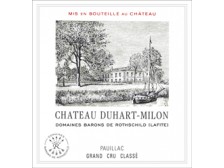
Known for producing one of the firmest and tightest (even robust) Pauillacs available, Duhart-Milon has since 2010 refined its style to gradually approach that of Lafite (same owner and same team). New direction and progress amply confirmed, with an unprecedented charm and fatness from the 2015 vintage onwards. Given the quality of its terroir (the only 4th Grand Cru Classé in Pauillac), Duhart-Milon has certainly not finished its progression.
As the latest Bettane & Desseauve guide (2025) points out, “So many changes in recent vintages, with a great wine that has rediscovered the depth and dimension of the greatest Pauillacs”!
The 2022 vintage in the press:
La Revue du Vin de France (Guide 2026): 96/100 "Supported by superb Cabernet Sauvignon grapes, this 2022 vintage is deep and structured. It displays beautiful notes of red fruit, with a juicy and fresh side. It has excellent length."
Vinous (A. Galloni - January 2025): 94/100 "The 2022 Duhart-Milon is a big, rich wine. Ample and expansive on the palate, it has so much to offer. Cabernet Sauvignon takes center stage as dark-toneb fruit, graphite and expressive savory nuances open with aeration. Huge swaths of creamy tannins wrap it all together, building to a substancial, explosive finish. The 2022 is an impressive Duhart."
J.M Quarin (February 2025): 95/100 "Dark, intense and beautiful colour. Very aromatic nose, fine, subtle, fruity, fragrant and more vanilla-like when the glass is shaken. Delicate on the entry, particularly aromatic in the middle, the wine progresses with a refined touch and a melting body. It caresses the palate before finishing long and fine.Delicious!"
Bettane + Desseauve (Guide 2026) : 92/100
More- To keep or to drink:
- Wait 1 to 2 years
- Apogée:
- 2028-2045
- Organic certification:
- 2024
- Alcohol degree:
- 13.5%
-
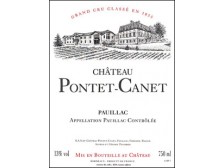
Contiguous to Mouton-Rothschild, Pontet-Canet is in good vintages the very type of great Pauillac, straight and racy. The first of the Grands Crus Classés to be certified "organic" (in 2010), Pontet-Canet has been at the top of the Médoc since 2000.
The 2017 vintage in the press:
La Revue du Vin de France (Guide 2021): 97/100 “In a style reminiscent of the great Burgundy wines, 2017 is also a textured wine, with a touch of powder and a very fine grain. Long and slender, but so persistent.”
Vinous (Antonio Galloni - March 2020): 95/100 “A gorgeous, alluring Pauillac, the 2017 Pontet-Canet is racy and exceptionally polished, with floral top notes that bring out the natural brightness of the red-toned fruit. Super-silky tannins add to the wine's immediacy and sheer allure.”
More- To keep or to drink:
- Ready to drink
- Apogée:
- 2025-2038
- Organic certification:
- 2010
- Alcohol degree:
- 13%
-
After 15 years of wandering, Lilian-Ladouys was bought in 2008 by Mr Lorenzetti. As at Pédesclaux, extraordinary investments are bearing fruit: Lilian-Ladouys is once again one of the most beautiful crus bourgeois of Saint-Estèphe.
And even of the Médoc, by winning the Coupe des crus bourgeois with its 2012, or by being rated 90/100 by M. Galloni (Vinous) for its 2014.
More- To keep or to drink:
- Ready to drink
- Apogée:
- 2017-2028
- Alcohol degree:
- 13%
-

A historic Saint-Estèphe cru (the second oldest vineyard in the appellation), Tronquoy is ideally situated on the famous "Terrace 3", with its deep clay gravel (up to 8 metres). The vineyard's 30 hectares were bought by Messrs Bouygues shortly after Montrose, and are now managed with the same care and determination to embody the Bordeaux revival: modern vat room, conversion to organic viticulture, quest for freshness and brilliance in the wines...
Tronquoy is still too little known, and is currently Saint-Estèphe's nugget in the making, offering wines that are both accessible when young and with excellent ageing potential.Awarded one star in the 2026 Guide of the Revue du Vin de France.
The 2019 vintage in the press:
La Revue du Vin de France (Guide 2025): 92/100 “The 2019 vintage is tasting very well today, with a noble beginning of evolution on the nose, notes of tobacco, cedar and pepper. On the palate, the wine is melted and firmly in place, stretched out by supple tannins.”
Vinous (N. Martin - January 2023): 92/100 “The 2019 Tronquoy-Lalande has a concentrated nose with fairly intense black fruits, hints of boysenberry, a little richer than some of its peers. The palate is medium-bodied with a dense, powerful, almost plodding entry, very saline on the palate, but I'm looking for more precision and finesse on the finish. This could well develop over time. Tasted blind at Southwold's annual tasting.”
J-M Quarin (March 2022): 94/100 "Dark, beautiful and deep colour. Nose currently a little discreet, but very elegant. Elegant hint of blackberry jam. Full-bodied on the attack, rich and enveloping on the palate, the wine develops powerfully with a deep flavour. The finish is slightly austere, but behind the tannins there is a superb aromatic return. A racy wine."
More- To keep or to drink:
- Ready to drink
- Apogée:
- 2024-2035
- Organic certification:
- 2024
- Alcohol degree:
- 14.5%
-
On the terroir of Pez, known to be the best in St-Estèphe (excluding classified growths), the Cazes family uses the same recipes here as those that made Lynch-Bages so successful: generous fruit and opulent texture. Ormes de Pez is an'almost' Lynch-Bages but at a quarter of the price!
The 2021 vintage in the press:
La Revue du Vin de France (Guide 2025): 92/100 “This is a very greedy, deliciously fruity wine with undeniable charm.”
Vinous (N.Martin - November 2023): 91/100 “The 2021 Ormes de Pez is quite striking on the nose, brinier than i recall from barrel, with lifted blackberry and boysenberry fruit and a touch of balsamic. The palate is medium-bodied with grainy tannins, again, very saline in the mouth and slightly granular in texture, with black olive tapenade toward the finish. Quite feisty at the moment, give this three or four years in bottle.”
More- To keep or to drink:
- Wait 1 to 2 years
- Apogée:
- 2027-2036
- Alcohol degree:
- 13%
-

Second wine of Cos d'Estournel, probably the best second wine of the Médoc after those of the first classified growths (for half or even a quarter of the price).
The 2022 vintage in the press:
Vinous (N. Martin – January 2026): 90/100 “The 2022 Les Pagodes de Cos does not quite deliver the same complexity as La Dame de Montrose on the nose: clean fruit, just a little predictable by comparison. The palate is medium-bodied with a sapid entry. Grippy and quite bold towards the liquorice-tinged finish, there is just a patina of herbaceousness on the aftertaste.”
Vinous (A. Galloni - January 2025): 93/100 "The 2022 Les Pagodes de Cos is an elegant, sophisticated wine, notwithstanding its natural textural richness. Black cherry, licorice, leather, incense, chocolate and espresso all saturate the palate. Even with all of its intensity and volume, the 2022 has just enough freshness to keep things somewhat in check. This is a very serious second wine, if that term can even be used."
J-M Quarin (February 2025): 93/100 "Deep, beautiful dark colour. Intense, fine, fruity and pure nose. Meticulous on the palate, very aromatic in the middle, with a lovely touch, the wine melts on the palate, juicy, towards a seductive finish, with present, enveloping tannicity. Very good."
Bettane + Desseauve (Guide 2026) : 91/100
More- To keep or to drink:
- Wait 1 to 2 years
- Apogée:
- 2027-2040
-

Previously settled on firm tannins that made them stark in their youth, Cos Labory's wines have for the last ten years changed in style, becoming more pleasant and gaining in depth and refinement (its vineyard is adjacent to those of Lafite-Rothschild and Cos d'Estournel). “Probably the best value in the 1855 classification to date”, as Bettane & Desseauve (Guide 2025) points out.
The Audoy family having sold its vineyard to the neighboring Cos d'Estournel at the beginning of 2023, a new era begins at Cos Labory.
Amazing value for money in 2016.
The 2016 vintage in the press:
Vinous (N. Martin - January 2020): 91/100 "The 2016 Cos-Labory has a lovely bouquet, quite forward and open, offering brambly black fruit laced with violet. The medium-bodied palate presents supple tannins, a fine bead of acidity, and tobacco and cedar toward the classically styled finish, which displays impressive persistance. This is a wine indicative of a château that is imrpoving, and it suggests that the hill of Cos might have two Saint-Estèphe wines worth hunting down."
More- To keep or to drink:
- Ready to drink
- Apogée:
- 2024-2036
- Alcohol degree:
- 13.5%