





2025 Futures
In the category « Long keeping », we gather all the wines of the vintage 2017 that will have, according to us, an ageing potential of at least 20 years (even if they will reach their peak before). This category is thus intended for the (very) patient ones with a great cellar, or for those who will have something to celebrate in 20 years (or more).
The ability to age well is the preserve of the finest wines, but more affordable wines can also have a great ageing potential due to their excellent vineyards, the grapes varieties used or to the winemaker’s will. The ageing varies as well depending on the temperature of the cellar (the colder the cellar is, the slower the wine will age) and the bottle’s size (wines in large containers like magnums will age slower and longer than wines in bottles).
-
In white, Domaine de Chevalier produces a model unique among its peers, made of tension, vivacity and energy. Its mineral side and its capacity to age (30 years and more) bring it closer to the greatest Burgundy whites.
Vinous (A. Galloni): 97-99/100 “The 2025 Domaine de Chevalier Blanc gets my vote for the white wine of the vintage. Rich and powerful in the glass, but also beautifully vibrant, the 2025 dazzles from start to finish. Lemon confit, pear, slate, mint, white flowers and tangerine peel are some of the many aromas and flavors that develop over time. The 2025 is quite simply stunning. Don’t miss it!"
Terre de Vins : 96-98/100 Coup de ♥ "The Sauvignon Blanc’s classic characteristics—ranging from citrus to white fruit—are complemented by hints of eucalyptus and a very subtle toasty note. On the palate, the wine displays impeccable structure, being both full-bodied and well-defined, with a balance between savoury flesh, a buttery texture and a hint of salinity that makes the mouth water on the finish. A model of balance and elegance, a white wine in perfect harmony, which is already superb and shows very promising ageing potential.”
Bettane+Desseauve : 96/100 “Complex and subtle, it combines rose, citrus, white fruits and toasty notes in a mineral-driven expression. Dense, full-bodied and lively, the palate impresses with its salinity, length and precision. A great success.”
J-M Quarin : 96/100 “Pale, brilliant colour. Intense nose with fresh fruit. Delicate hints of lemon and orange. Soft on the attack, smooth on the palate whilst remaining fresh, silky in texture; the wine develops juicily with distinguished flavours of orange and citrus. A beautifully long, silky finish that lingers on the palate. It’s superb!”
La Revue du Vin de France : 94-95/100 “With an expressive bouquet blending wild peach, juicy pear and white flowers, this wine charms from the very first sip. The palate confirms this first impression with a texture that is both dense and precise. Complex, deep and distinguished, it effortlessly combines intensity and refinement. Its harmonious structure and underlying freshness make it a complete, elegant wine with a most promising future.”
Vinous (N. Martin): 91-93/100 "The 2025 Domaine de Chevalier Blanc was picked from August 25 to September 6 at 38 hl/ha. It has a more backward, slightly reserved nose than I was expecting. It is keeping its cards hidden for now. The palate is well balanced, with good weight, fine density, touches of freshly sliced pear, stem ginger and lemon peel, though it feels linear and correct on the finish. Very fine, but I suspect it will reveal its true identity after bottling."
More- Availability:
- Early 2028
- Organic certification:
- 2023
- Alcohol degree:
- 13.5%
- Sauvignon blanc:
- 70%
- Sémillon:
- 30%
-
Administered by the Rothschilds (Mouton) since 1996, Coutet has joined the leading pack of the biggest Sauternes after Yquem. Like Climens, it is a true Barsac, pure and remarkably subtle, but with a more marked liquor. Since 2005, Coutet has been in great shape! In a rare feat, the exceptional 2020 vintage came top (ahead of Yquem) in the Revue du Vin de France's ranking of Sauternes 2020 « un sommet de pureté, de précoce harmonie, de naturel ! ».
Bettane+Desseauve : 96-97/100 “A textbook example of classic style, this Barsac is characterised by its salty citrus notes and mineral character. A great success, with remarkable ageing potential.”
J-M Quarin : 96/100 « Golden in colour. An intense, fruity, pure and delicately creamy nose. Full-bodied on the attack, rich on the palate, with a silky texture; the wine caresses the palate and melts away with hints of fresh butter and spices. A long, flavourful and irresistible finish. It is superb. »
Vinous (N. Martin) : 95-97/100 "The 2025 Coutet is a little more backward on the nose than usual, less giving. But there is wonderful purity of fruit, lemon thyme and clementine scents, touches of white flower. The palate is medium-bodied with a viscous entry, playing with Coutet's trademark thread of acidity that emanates from the limestone soils. Quite minerally and spicy on the aftertaste, this is a marvellous Barsac from the Baly family."
Vinous (A. Galloni) : 94-96/100 « The 2025 Coutet is redolent of burnt sugar, créme brulée, spice, passion fruit and candied ginger. Always quite rich texturally, Coutet blossoms beautifully on the palate with plenty of textural presence and body. It's a gorgeous wine by any measure. »
La Revue du Vin de France : 91-93/100 “An intense liqueur, with a full body and perfect length. The expression, however, seems somewhat reserved, with a hint of menthol and even aniseed that accentuates the ‘chalky’ firmness of this benchmark Barsac. There is a certain tightness that prevents one from fully grasping its character.”
More- Availability:
- Early 2028
- Alcohol degree:
- 13.5%
- Sauvignon blanc:
- 2%
- Sémillon:
- 97%
- Muscadelle:
- 1%
-
Doisy-Daëne is located at the top of Barsac, between Climens and Coutet. Brilliantly orchestrated by Denis Dubourdieu (nicknamed the ‘pope of Bordeaux whites’) until 2016, his two sons Fabrice and Jean-Jacques are now continuing his work.
Doisy-Daëne is never the sweetest wine in its sector, but it always possesses unrivalled expression and aromatic refinement. Its purity and elegance make it all the more sought-after, especially as its prices remain reasonable.
Terre de Vins : 96-98/100 Coup de ♥ "Jean-Jacques Dubourdieu takes great care to strike the perfect balance between sweetness and acidity. Playing on carefully considered balances, one finds an elegant freshness with citrus and briny notes (eucalyptus on the nose) and a dense yet harmonious palate, almost crystalline, never opulent, marked by flavours of pear, fresh apricot and roasted pineapple. A hint of grapefruit adds a twist to the finish. Doisy Daene aims to be more harmonious than showy and impresses with its precision and consistency. The vintages are handled with intelligence. This 2025 is proof of that.”
Vinous (N. Martin) : 95-97/100 "The 2025 Doisy-Daëne has an intense nose with plenty of botrytised fruit, wonderful delineation, quite nuanced this year, with quince and light white peach scents intertwined with saffron. The palate is well balanced with a keen line of acidity, so pure and quite minerally, yet your senses are just awash with that layered botrytised fruit that lingers in the mouth. What a stunning Barsac."
Bettane+Desseauve : 95/100 “A masterful blend, capable of preserving all the complexity of noble rot. Still linear at present, it will become more sensual with age.”
J-M Quarin : 95/100
La Revue du Vin de France : 93-95/100 “Already very harmonious, it offers a serene, distinguished profile. The palate is complex and penetrating. Its finish reveals a beautiful aromatic detail, where the fruit is adorned with enticing notes of crème brûlée, vanilla and tonka bean…”
Vinous (A. Galloni) : 92-94/100 "The 2025 Doisy-Daéne is aromatic, lifted and sculpted. Green apple, pear, jasmine and crushed rocks are finely delineated in an airy Barsac that has so much to offer. The 2025 can be enjoyed young for its freshness, but it clearly has the eneray and pedigree to age info an exceptional sweet wine over time."
More- Availability:
- Early 2028
- Sauvignon blanc:
- 12%
- Sémillon:
- 88%
-
Classified among the first growths of Sauternes during the classification of 1855, the vineyard of Rayne Vigneau (84 hectares, including 62 in one piece) is famous for its soil, which is well known to geologists, as it is composed of a great variety of precious minerals of Pyrenean origin. Without losing sight of these "luxurious" origins " Rayne Vigneau offers smooth, easily accessible wines with floral aromas that are particularly marked in their youth.
La Revue du Vin de France : 95-97/100 “Remarkably fragrant and invigorating, evocative, with fruity notes enhanced by penetrating hints of pink grapefruit and bergamot. Full of flavour, then, a lively wine with a slender body, intense rather than full-bodied. Already very appealing, this distinguished wine stands out as one of the great successes of the vintage.”
Vinous (N. Martin): 95-97/100 "The 2025 Rayne-Vigneau has a backward nose with dried honey, yellow plum and almond scents, perhaps less forward than some of its peers. The palate is well balanced with a very pure entry, bright acids and a gorgeous, tender yet paradoxically powerful finish. Oh yes!"
Bettane+Desseauve : 96/100 “A magnificent balance, full-bodied and deep, with a vigour reminiscent of the appellation’s greatest historical achievements. An ideal expression of the Haut-Bommes terroir.”
Vinous (A. Galloni): 92-94/100 "The 2025 Rayne-Vigneau is a wild, exotic wine. Orange confit, burnt sugar, creme brilée and candied ginger build in an ample, creamy, rich, luscious Sauternes. This is beautifully done. Extroverted tropical and spice overtones emerge on the close."
J-M Quarin : 92/100
More- Availability:
- Early 2028
- Alcohol degree:
- 13.5%
- Sauvignon blanc:
- 30%
- Sémillon:
- 70%
-
In the commune of Preignac, Suduiraut offers a wine that reflects its geographical position: halfway between Sauternes and Barsac. The latest vintages are dazzling in terms of contained power and aromatic distinction : La Revue du Vin de France awarded the 2016 vintage 99/100, describing it as “masterful”, Vinous (Galloni) awarded the 2023 vintage 100/100: “A model of modern Sauternes, of absolute finesse and smoothness. A timeless wine that ranks among the finest achievements of the year” and according to Bettane & Desseauve (Guide 2025), “Yquem is the only wine that can still do a little better”.
La Revue du Vin de France : 96-98/100 “This wine impresses with its intensity and fullness. The palate is both dense—with a textural richness rarely found in Sauternes sweet wines—and lingering. A proud wine that fills the entire mouth without becoming overpowering; on the contrary, it reveals magnificent notes of freshness on the finish.”
Vinous (N. Martin): 96-98/100 “The 2025 Suduiraut [...] has a fragrant bouquet with wild honey, linseed, saffron and light orange pith scents that blossom in the glass, though I would not describe it as intense, but very pure. The palate is well balanced, with a viscous opening, very pure botrytised fruit and a killer line of acidity. There is no heaviness here, and despite the 158 g/L residual sugar, it feels light on its toes. Oh yes.”
Bettane+Desseauve : 97/100 « Richly structured, it displays impressive length and all the aristocratic depth characteristic of the vintage »
J-M Quarin: 97/100 “Yellow in colour. An intense, fruity and creamy nose. On the palate, it is as light as can be, complex and delicious, with a refined texture and controlled power. A marvellous finish. A long, light and delicate aftertaste. It is very good.”
Vinous (A. Galloni): 94-96/100 “The 2025 Suduiraut is 100% Sémillon picked six weeks later than the dry whites in the three tries, with most of the final blend coming from the last two picks. Tangerine oil, mint, white pepper and passion fruit are some of the notes that grace the palate.”
More- Availability:
- Early 2028
- Alcohol degree:
- 13.5%
- Sémillon:
- 100%
-
Selection of the best parcels of Château de Carles (10 ha out of the 20 ha of the estate), certainly the finest and most ambitious wine of Fronsac, making since 2000 equal game with the best classified growths of the slopes of Saint-Émilion. A great wine that should be kept for at least 6 to 8 years.
More- Availability:
- Early 2028
- Merlot:
- 80%
- Cabernet Franc:
- 20%
-
Haut-Bailly is the most delicate of the Graves wines with a particularly silky tannic structure.
Terre de Vins : 98-99/100 Coup de ♥ " “Holistic” is the word chosen by the Haut-Bailly team to describe this vintage. That speaks volumes about their confidence in the result. We wholeheartedly agree, as this 2025 proves immediately seductive with its palette of blackcurrant and graphite, its floral notes adding a touch of freshness and brilliance to the emerging aromatic density. This density is reflected on the palate, creamy and silky, framed by tannins of the purest definition. The whole unfolds on a finely mentholated base, just tinged with a hint of saltiness and sap in the finish, lingering at length to our great delight.”
J-M Quarin: 98/100 “A deep, intense red colour. A very aromatic, refined and pure nose, with a hint of wet leather. It gains complexity when swirled in the glass. Hints of liquorice and cherry. Extremely delicate on the palate, with an incredible grace of texture; the wine unfolds slowly, full-bodied, complete and juicy, offering a mysterious sensation of delicate power. A long, subtle finish, with great flavour and tannins that feel almost weightless. A delightful wine.”
Vinous (N. Martin): 96-98/100 “A mixture of brambly red fruit, briar, a touch of cassis and orange rind that is beautifully delineated. The palate is exquisite: very fine tannins, tangible minéralité, very cohesive and focused, with a very complex, peppery finish that goes on and on and on. Svelte, harmonious and tender, this ranks amongst the best vintages from Haut-Bailly in recent years."
La Revue du Vin de France : 96-97/100 “Haut-Bailly delivers a wine of remarkable purity, driven by vibrant, clearly defined fruit. The gentle extraction emphasises finesse and reveals high-quality, silky tannins that are perfectly integrated. The palate, fluid and harmonious, unfolds naturally, without ever feeling forced. The long, elegant finish confirms the estate’s consistency and distinguished style. Shielded from extreme weather, the terroir expresses itself perfectly, giving rise to a refined and balanced wine that will go down in the château’s history.”
Bettane+Desseauve : 96-97/100 “Remarkably complex, combining notes of red fruit, smoke, flowers and spices in a style of rare delicacy. Dense from the very first sip, the palate impresses with its controlled power, elegant tannic structure and a fresh, mineral finish of great length. A great Haut-Bailly.”
Vinous (A. Galloni): 95-97/100 “The 2025 Haut-Bailly is fabulous. Here, too, the purity of the fruit is remarkable. Dried herbs, crushed flowers, blood orange, pomegranate, mint and star anise give the 2025 a gorgeous and palpable sense of exoticism. The 2025 impresses with its elegance and finesse. Floral and savory overtones linger on the clean, supremely polished finish. Very fine."
More- Availability:
- Early 2028
- Merlot:
- 36%
- Cabernet Sauvignon:
- 55%
- Petit Verdot:
- 4%
- Cabernet Franc:
- 5%
-
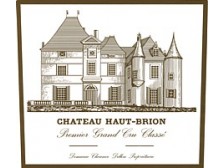
Haut-Brion is the most famous of all the Bordeaux growths, having twice been classified as 1er grand cru, in 1855 and again in 1959 (Graves classification). Haut-Brion is both the oldest of the Grands Crus, with more than five centuries (since 1509) behind it, and the most innovative, introducing stainless steel vats as early as 1960 and green harvesting as early as 1980.
Its particular situation within the Bordeaux agglomeration makes it the earliest Premier Cru on the left bank, a clear advantage in less mature vintages. For this reason, Haut-Brion's consistency is a benchmark for the whole of Bordeaux, with the intense bouquet of fresh earth, smoke and pine resin so characteristic of the appellation.
Fortunately, the unique silhouette of its bottle has disrupted the Asian market and has not triggered the same speculative interest there as it has for the other 1er grands crus classés. Haut-Brion is today without question the most qualitative and the least expensive of the premiers.J-M Quarin: 100/100 “A very aromatic, refined, fruity, deep and highly complex nose, accompanied by a hint of ink reminiscent of the great Médocs. Full-bodied and meticulous on the attack, more restrained here than La Mission, the wine settles slowly in the mid-palate, develops structure, takes on vibrant aromas and suddenly surges on the finish, proving at once very powerful, delicate and, above all, immensely long. Never have I seen a Haut-Brion fill the mouth with such precision and power between the mid-palate and the finish. Magnificent!”
Vinous (N. Martin): 98-100/100 “The 2025 Haut-Brion has a very pure and elegant bouquet with ebullient brambly red fruit, crushed stone, potpourri and touches of Earl Grey. Wonderful delineation and a little more refined than, say, the 2020 or 2022. The palate is medium-bodied with very fine tannins, and there is more complexity here than La Mission, more depth and minéralité. Fresh and marine-tinged towards the finish that makes you want to come back. This year, the First Growth has put a bit of distance between itself and La Mission."
La Revue du Vin de France : 98-99/100 “The 2025 vintage at Haut-Brion is one of modest quantity (26 hl/ha) but exceptional quality; its freshness is surprising, with fruit that is ultra-expressive, juicy and delicious. Yet the wine is 62% Merlot – which is not all that common – but without the slightest heaviness and with an alcohol content capped at 13%. It boasts an endless velvety finish that bursts open like a peacock’s tail, releasing waves of fruit. A truly great Haut-Brion with a classic profile, built to stand the test of time.”
Terre de Vins : 98-99/100 Coup de ♥ "Airy and floral, displaying perfectly ripe fruit whilst retaining a subtle hint of incense and violet, this 2025 Haut-Brion sets the bar high right from the start. The palate is incredibly velvety, its enveloping roundness tinged with fine tannins that bring liveliness, energy and salivation: this is haute couture, flavourful, savoury, persistent and full of moving details in both texture and aroma. It is a meeting of the sensual and the intellectual, much to our delight.”
Bettane+Desseauve : 97/100 « Porté par un grand volume et une matière impressionnante, son caractère aromatique exprime la race du cru, même si l’élégance habituelle demande encore à se révéler pleinement. »
Vinous (A. Galloni): 96-98/100 “The 2025 Haut-Brion is quite the powerhouse. Black fruit, cloves, new leather, tobacco, chocolate and menthol open before a wave of huge tannins and incisive acids take over. Haut-Brion can be rather dark and somber. That is very much the case with the 2025, a wine that speaks with sepia-toned, baritone inflections. It also conveys more obvious ripeness than La Mission Haut-Brion at this stage."
More- Availability:
- Early 2028
- Alcohol degree:
- 13%
- Merlot:
- 62%
- Cabernet Sauvignon:
- 26%
- Cabernet Franc:
- 12%
-
With remarkable consistency, Potensac has been one of the most regular crus bourgeois in the northern Médoc for 30 years, proof of the know-how of the Léoville-Las Cases team (same owner). Its ability to age is always surprising, even and especially in the "early years".
La Revue du Vin de France : 92-93/100 “This particularly accomplished vintage captivates with its bold, juicy dark fruit. The well-balanced freshness adds depth to a well-integrated tannic structure. The result is a wine that is both dynamic and harmonious, making for a delicious and highly appealing wine.”
Bettane+Desseauve : 92-93/100 “Rich and serious, this Médoc wine proudly embraces its classic style and boasts a structure built for long-term ageing. Its reserved character in its youth suggests it will develop beautifully with cellaring.”
J-M Quarin : 92/100 "Delicate on the palate, with a subtle richness that coats the mouth, the wine melts on the palate and lingers long and flavourful; admittedly a touch oaky at the moment, yet overall I have never found it so delicious. I am delighted that Potensac has returned to such heights."
Vinous (A. Galloni) : 91-93/100 "The 2025 Potensac has a lot to offer. Dark and savory, the 2025 presents an attractive mélange of strong savory/earthy inflections and dark-fleshed fruit. A burst of floral notes punctuates the finish. The 2025 will need a few years in bottle, but it has quite a bit of potential."
Vinous (N. Martin) : 91-93/100 "The 2025 Potensac has quite a flamboyant bouquet with layers of black cherry, blueberry and violet, almost Margaux-like in style, with a touch of pencil shavings underneath. The palate is medium-bodied with edgy tannins on the entry, quite powerful, a little sapid, good density and a muscular finish that should be tempered during its élevage plus bottle age. Long-term Potensac."
More- Availability:
- Early 2028
- Alcohol degree:
- 13.5%
- Merlot:
- 41%
- Cabernet Sauvignon:
- 37%
- Cabernet Franc:
- 22%
-
We no longer present Sociando-Mallet, which should be in a good place in the cellar of any wine lover, as the quality and above all the regularity of its last thirty vintages are so impressive. Without wishing to underestimate the hard work of the late Mr Gautreau since 1969, it must be said that the terroir, against the Gironde on a gravelly ridge comparable to that of Montrose, is indeed that of a Grand Cru Classé. Unavoidable 2016, the greatest wine of Sociando-Mallet since 1996.
Vinous (A. Galloni) : 92-95/100 "The 2025 Sociando-Mallet is a total head-turner. What a wine. Dark and explosive, with tons of energy, the 2025 is fabulous right out of the gate. Supple contours and plush dark fruit announce an important wine of tremendous pedigree and character. Dark red/blue fruit and exotic spice tones lend richness and vibrancy, while brisk acids convey salivating energy."
J-M Quarin: 94/100 “Deep, intense black color. A very aromatic nose with ripe fruit notes. Hints of resin. Full-bodied on the attack, with a nuanced development, very aromatic, and a lush, supple texture; the wine melts on the palate, showing consistency and depth, both structured and charming. It’s superb!”
Vinous (N. Martin) : 92-94/100 "The 2025 Sociando-Mallet has an attractive nose: well defined blackberry and wild strawberry scents, undergrowth and a light black olive scent, almost Graves-like in style. The palate is medium-bodied with sappy black fruit, fine depth, cohesive, with a fresh, classically styled finish that lingers in the mouth. This sample arrived at the end of a long day's tasting, but its qualities still stood out."
La Revue du Vin de France : 92-94 “Characterised this year by a high proportion of Merlot (66%), due to low yields of Cabernet, Sociando-Mallet is a full-bodied, rich wine. The generous texture nevertheless retains a lovely vibrancy, without any hint of cloying sweetness. The wine as a whole captivates with its tension, energy and a particularly juicy finish. A dynamic and very contemporary Sociando.”
Bettane+Desseauve : 92-93/100 “With a more approachable and fruit-driven style than usual, it retains its freshness despite an unusually high proportion of Merlot. A surprising Sociando, with a rich and immediate profile.”
More- Availability:
- Early 2028
- Alcohol degree:
- 14%
- Merlot:
- 66%
- Cabernet Sauvignon:
- 31%
- Cabernet Franc:
- 3%
-
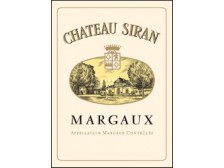
Even though it is not classified, Siran has been in competition with the classified growths of Margaux for the last ten years, with wines that are at once delicate, firm and full-bodied with age. Aligning successes since 2015, Siran is now at its best, 2020 being its best vintage ever and hailed as such by the Revue du Vin de France: « réussite majeure pour le cru », rated 95/100.
La Revue du Vin de France : 94-95/100 “A reliable choice from the appellation, Siran offers a well-rounded wine that combines finesse, silkiness and depth. The well-defined fruit is accompanied by lovely density and a finish with smooth tannins. A balanced and already impressive wine.”
Vinous (A. Galloni) : 93-95/100 "Broad and creamy, the 2025 Siran is a powerful, dense Margaux. There's not much subtlety here, but then again, that does not seem to be the point. Inky red/purplish fruit, lavender, mint, rose petal and mocha are all beautifully amplified. It will be interesting to see if more complexity develops over time."
J-M Quarin : 93/100 “Full-bodied on the palate, rich in the mid-palate, with plenty of flavour and a delightful, charming development, the wine comes alive on the finish, which is long, succulent and even complex in its aromatic nuances. It’s superb!”
Vinous (N.Martin) : 92-94/100 "The 2025 Siran has a glorious, you could say "joyful" bouquet with plenty of energy: blackberry, blueberry, touches of violet and an underlying citrus verging on blood orange scent. The palate is medium-bodied with pleasing sapidity on the entry. Certainly more muscular and dense than the preceding vintage, it maintains precision and elegance, gambolling along to a finish that feels "complete", even at this prenatal stage. Siran has an unerring and, I dare say, under-appreciated ability to age over the long term, proven by a 1926 drunk twice during en primeur. "
Bettane+Desseauve : 92-93/100 “Precise and fruity, in keeping with the estate’s standards. Beautifully intense, long and dense, demonstrating great skill both in the vineyard and in the cellar. A classic and successful Margaux.”
More- Availability:
- Early 2028
- Alcohol degree:
- 13.5%
- Merlot:
- 41%
- Cabernet Sauvignon:
- 50%
- Petit Verdot:
- 9%
-
In organic conversion from 2013, Durfort-Vivens was one of the very first classified growths in the Médoc to claim and display organic certification from 2016. M. Bettane is one of its most fervent defenders: "the quality/price ratio remains absolutely unique at this level of quality of terroir and work.
Terre de Vins : 96-98/100 Coup de ♥ “The attack is captivating, like haute couture: velvety fruit, fruit on velvet—everything blends, comes together, and harmonises. The 2025 vintage is a triumph for this 1855 Margaux Grand Cru Classé, offering connoisseurs of fine wines a taste of yesteryear. The rest of the story unfolds with wild strawberry, raspberry, elderflower and a delicate note of dark chocolate for a savoury finish.”
La Revue du Vin de France : 94-95/100 “Still a little tight at this stage, Durfort-Vivens relies on its Cabernets to create a straightforward, well-structured wine. The texture, fine and powdery, hints at great potential. Ageing should bring the necessary polish to this promising wine.”
Bettane+Desseauve : 94-95/100 “With its noble rose aroma, we must wait for its beautiful structure—which is still slightly tight at present—to continue to refine itself, but its future looks particularly promising.”
Vinous (A. Galloni) : 92-94/100 "The 2025 Durfort-Vivens offers a striking mix of textural intensity and finesse. Crushed flowers, mint, lavender, sage, tobacco and incense add tons of inner sweetness and perfume. Dark red/purplish fruit emerges with time. This really opens beautifully with a bit of time in the glass, showing commendable textural presence and tons of class to match."
More- Availability:
- Early 2028
- Organic certification:
- 2016
- Alcohol degree:
- 13%
- Merlot:
- 9%
- Cabernet Sauvignon:
- 91%
-
Back in top form since the early 2000s, the great Giscours estate has once again become one of the major Margaux growths, in its own distinctive style: very colourful, full-bodied and richly fruity for a Margaux. Its ageing ability has made its reputation as much as its always wise prices.
“The latest vintages are all priorities for the wine-lover,” emphasizes Bettane & Desseauve in its latest guide (2025).
Terre de Vins : 96-98/100 Coup de ♥ “The Giscours team claims to have ‘never produced such a precise wine’, and it would be unwise to contradict them. We applaud the wine’s aromatic purity and its lively, fresh vigour, which expresses a joyful, vibrant floral character. On the palate, the texture is beautifully defined, with a silky smoothness just tinged with powdery, finely grained tannins. This is a 2025 vintage of great elegance, vibrant and easy to drink, with a finish that unfolds like lace throughout the wine. A truly fine achievement, confirming the thorough work carried out at the estate.”
Vinous (A. Galloni): 95-97+/100 “The 2025 Giscours is another magnificent wine for a château that has made giant steps in the last handful of years. Plush and succulent in the glass, with silky, exceptionally polished tannins and stunning mid-palate richness, the Giscours is pure and total sensuality. Dark red-toned fruit, pomegranate, spice, new leather, incense and dried flowers all race across the palate. The purity of the flavors is just remarkable."
Bettane+Desseauve : 95-96/100 "Impressive for its breadth, the depth of its aromas and the exquisite refinement of its tannins. True to its style, which emphasises power and longevity, this vintage is a fine example of Giscours."
Vinous (N. Martin): 94-96/100 “The 2025 Giscours [...] has a quintessential Margaux nose, floral in style, violets and iris flower that infuse the quite lush but well defined mixture of black and blueberry fruit. The oak is very well integrated here. The palate is medium-bodied with velvety tannins on the entry matched by a keen thread of acidity. There is a touch of graphite on the back palate, a pleasing crescendo that leads to quite a structured and saline finish. This is one of the finest Giscours in recent years but it will deserve five or six years in bottle to show its mettle and it may well settle at the top of my banded score.”
La Revue du Vin de France : 94-96/100 “The result of meticulous vineyard management, the 2025 Giscours highlights the vibrancy and freshness of the Cabernet grapes. The wine captivates with its purity and its fine, lively structure, underpinned by delicate notes of red fruit. The juicy, savoury finish highlights a distinguished and perfectly mastered style.”
J-M Quarin: 93/100 “Deep black colour. Intense, fruity, ripe and creamy on the nose. Meticulously crafted on the palate, flavourful and fresh in the mid-palate, with a dense, creamy texture; the wine fades slightly on the finish. A medium-length, rounded finish.”
More- Availability:
- Early 2028
- Merlot:
- 31%
- Cabernet Sauvignon:
- 64%
- Cabernet Franc:
- 5%
-
The most serious and regular of the great classified growths of Saint-Julien, and even of the Médoc. Whatever the vintage since 1986, Lagrange never disappoints, with a constancy and an accuracy that force respect!
J-M Quarin : 95/100 “Delicately smooth on the palate, with a velvety, fragrant body, the wine glides across the palate without ever showing any harsh tannins. It finishes with a burst of refined floral aromas. Well done!”
Bettane+Desseauve : 95/100 “Very classic in its expression of sweet spices and fine Cabernet Sauvignon, it stands out as a particularly safe bet in this vintage.”
Vinous (N.Martin) : 93-95/100 "The 2025 Lagrange [...] has a sublime bouquet that actually reminds me of the 2020, beautifully defined with blackcurrant, iodine and touches of violet petals. The oak is very well integrated. The palate is medium-bodied with granular tannins, fine acidity, gentle but insistent grip. Quite compact towards the finish, this has a linearity that I really admire, imparting a sense of classicism and "coolness". This is an excellent Lagrange from Mathieu Bordes and his team."
Vinous (A. Galloni) : 92-94/100 "The 2025 Lagrange is bold, explosive and full of life. Broad, supple contours envelop the palate, releasing layers of dark-toned fruit, cedar, mocha, dried herbs and espresso. The 2025 builds nicely, gaining volume and persistence over time. This is a strong showing."
More- Availability:
- Early 2028
- Alcohol degree:
- 13.5%
- Merlot:
- 18%
- Cabernet Sauvignon:
- 77%
- Petit Verdot:
- 5%
-
Clos du Marquis is not the second wine of Léoville-Las Cases, but a wine in its own right, produced on plots adjacent to Pichon-Comtesse, Léoville-Poyferré and Léoville-Barton. In any case, its exemplary consistency for over 30 years now commands respect. With great ageing potential (like all of Mr Delon's wines), it only reveals itself after at least 10 years of ageing and perfectly expresses the typical characteristics of Saint-Julien: structure, complexity and harmony.
La Revue du Vin de France : 95-97/100 “A wine of great character, it captivates with its intense aromatic profile, blending juicy black fruits and spices. The balance is remarkable, the texture silky, supported by fine tannins. The clean, vibrant finish confirms the status of this ever-reliable classic.”
Bettane+Desseauve : 95/100 “The harmony between the bouquet and the body once again places this Saint-Julien among the finest classified wines of the region.”
J-M Quarin : 95/100 « Deep, intense red color with purple hues and bright highlights. A very aromatic nose with ripe fruit, accompanied by notes of cocoa and violet. Meticulously crafted on the attack and in the mid-palate, with a graceful texture; the wine lingers on the finish—long, powerful, full-bodied, complex, and above all, impossible to spit out. It’s excellent. »
Vinous (N. Martin) : 91-93/100 "The 2025 Clos du Marquis has a fragrant and intense bouquet, with just a hint of lavender suffusing the black cherry and blackcurrant scents, more blue fruit surfacing with aeration. The palate is medium-bodied, with a powerful entry, quite precocious licorice-tinged black fruit. A little "heady" in style, I feel that the warmth of that summer comes through more here compared to the Las Cases."
Vinous (A. Galloni) : 90-93/100 "The 2025 Clos du Marquis is a potent, brooding wine. A rush of dark-toned fruit, gravel, incense, licorice, tobacco and scorched earth hits the palate. Cabernet Sauvignon takes the lead, and that very much comes through in the wine's savory character and structural profile. Lavender, mint, dried herbs and chocolate follow as the 2025 gains volume in the glass. There's a lot of wine here. I am looking forward to tasting this in finished form, given its considerable potential."
More- Availability:
- Early 2028
- Alcohol degree:
- 13.5%
- Merlot:
- 21%
- Cabernet Sauvignon:
- 73%
- Cabernet Franc:
- 6%
-
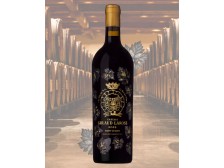
Of all the second classified growths in St-Julien, Gruaud-Larose is the most vigorous and massive in young wine. But, the magic of the terroir, it acquires softness and finesse if it is given time to age. Its quality/price ratio puts it ahead of the other second classified growths of St-Julien!
Anniversary. With the 2025 vintage, Gruaud-Larose celebrates the 300th anniversary of the Château, founded in 1725 by Joseph-Stanislas Gruaud and his cousin, the Chevalier de Larose. To mark the occasion, the wine will be presented in a black-and-gold screen-printed bottle.
Bettane+Desseauve : 97-98/100 “Superb in both its aroma and texture, it impresses with the harmony of its composition. A new must-buy thanks to its exceptional quality and consistently reasonable pricing.”
J-M Quarin: 97/100 “Deep black colour. An intense, refined nose with lovely notes of black fruit. A creamy texture. Delicate on the palate at first, particularly aromatic on the mid-palate, velvety; the wine caresses the palate flawlessly right through to the finish. It finishes long, deep and complex in flavour.”
La Revue du Vin de France : 95-97/100 “2025 marks the estate’s 300th vintage. It lives up to expectations, confirming the fine consistency of recent vintages here. A wine with a lovely brilliance, well-rounded on the palate and refined, which is a joy to drink. Its harmony and approachability should not obscure its potential and depth. ”
Vinous (A. Galloni): 95-97/100 “The 2025 Gruaud Larose is rich, ample and exotic right out of the gate. Dark-toned fruit, graphite, licorice, mocha and lavender are all dialed up. The 2025 has a lot to offer, but will need a number of years to be at its finest. There's a lot of wine here. "
Vinous (N. Martin): 93-95/100 “Fine delineation and firmly classical in style. The palate is medium-bodied with slightly chalky tannins. A more tertiary Gruaud Larose, hints of dark powdered chocolate combine with black fruit, leading to a more structured vintage that lingers nicely in the mouth. Perhaps slightly less deep than some of its peers, this has a tendency to gain weight during élevage. Englishman's claret!"
More- Availability:
- Early 2028
- Organic certification:
- 2022
- Alcohol degree:
- 13.5%
- Merlot:
- 21%
- Cabernet Sauvignon:
- 77%
- Cabernet Franc:
- 2%
-
Even if their evolution always involves a period of austerity, Léoville-Barton wines have a supreme class and elegance, due as much to the advanced age of the vines as to meticulous work. Always praised by the critics, as in 2015 "fine, sapid and very long, lots of class on the palate, with a juicy side and superb texture", rated 97/100 by the Revue du Vin de France.
J-M Quarin : 98/100 "Black in colour. An intense, refined, fruity and floral nose, underpinned by notes of fresh black fruit. Extremely delicate on the palate at first, with a refined texture, this juicy wine melts on the palate, revealing complex and deep aromas. It unfolds beautifully, finishing with a long, elegant aftertaste, where the aromatic intensity (of violets) outshines the tannins. Well done!"
Bettane+Desseauve : 97-98/100 "An exceptional wine from this vintage, combining perfect body, impressive density and remarkable progress in the integration of oak. An absolute must-buy for en primeur purchases."
Terre de Vins : 96-98/100 Coup de ♥ "Camphor and mint deliver an immediate burst of freshness. The attack is full-bodied, with a mouthful of black fruit coating the palate. Pure and balanced, this wine embodies the nobility of the Médoc that has made its reputation worldwide. The tannic structure suggests immense ageing potential. This blend of 86% Cabernet Sauvignon, 12% Merlot and 2% Cabernet Franc produces a great wine, a classic of the Saint-Julien style, and even more so a classic of the world of fine Bordeaux wines.”
La Revue du Vin de France : 96-97/100 "Consistently impressive, Léoville Barton has produced a full-bodied and lively wine. The palate is rich and creamy, brought to life by juicy fruit and a perfectly integrated texture. The refined tannins underpin an intense yet approachable structure. The result is a wine that is both powerful and harmonious."
Vinous (N. Martin) : 95-97/100 "The 2025 Léoville Barton [...] has an exquisite bouquet already, with ebullient blackberry and bilberry scents, beautifully integrated oak, keeping the DNA of Léoville Barton despite the warm summer. The palate is medium-bodied with supple tannins, gentle grip, very pure fruit and a "cool" and focused finish. With lower alcohol, between 13.0 and 13.5%, the terroir really shows through here. Superb."
Vinous (A. Galloni) : 94-96/100 "The 2025 Léoville Barton is one of my early favorites of the vintage. It carries all the textural intensity and richness of a vintage with paltry yields. As such, it is not an especially classic Léoville Barton, but it is undeniably gorgeous. Black fruit, gravel, chocolate, new leather and licorice add to an impression of gravitas. As always, there's a healthy amount of press wine in the blend. Readers will have to be patient with the 2025, but there's a lot of potential."
More- Availability:
- Early 2028
- Merlot:
- 20%
- Cabernet Sauvignon:
- 77%
- Cabernet Franc:
- 3%
-
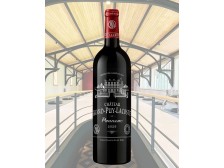
Grand-Puy-Lacoste is the finest of Pauillac's 5th classified growths, held with competence and care by Mr. François-Xavier Borie and his children. The latest vintages show even greater aromatic precision and tannin nobility, especially the superb 2020 vintage.
Special bottle. To celebrate the first vintage produced in the new winery, the bottle of Grand-Puy-Lacoste 2025 is entirely screen-printed and features the château motif that usually appears on the label.
Variation Case. Equivalent to a case of 12 bottles, the Variation Case brings together three complementary sizes in a single box — 1 double magnum, 2 magnums and 4 bottles — allowing you to follow the wine’s development over several decades. It also includes an invitation for an exclusive tour of the Château, valid indefinitely, for 4 people. A great way to celebrate a special occasion (wedding, birth, etc.) over the long term.
J-M Quarin: 97/100 “A deep red colour with black highlights. Intense, refined, fruity, pure and deep on the nose. Hints of ink and liquorice when swirled in the glass. Extremely delicate on the palate, with a graceful texture and a refined richness that coats the palate, offering plenty of flavour (liquorice, violet); the wine develops into a long, powerful and nuanced finish with a lush, fine-grained aftertaste. An impeccable wine.”
Bettane+Desseauve : 95-96/100 “Deep and elegant, this Pauillac brilliantly expresses its timeless classic style, with notes of cedar and blond tobacco. A benchmark for the appellation.”
La Revue du Vin de France : 95-96/100 “A delightful treat: fresh, crisp fruit, lovely floral notes and a very appealing silky texture. This consistently reliable vintage delivers once again, thanks to the superb definition of the Cabernets. A serious, precise and harmonious wine, without any harshness.”
Vinous (N.Martin) : 94-96/100 "The 2025 Grand-Puy-Lacoste is the first to be made in the new gravity-fed winery. It has a perfumed bouquet with blackberry and raspberry fruit, touches of graphite emerging with aeration, beautifully defined. The palate is medium-bodied with edgy tannins. Definitely one of the most refined GPLs that I have tasted at this stage, very harmonious, complex and engaging. Superb persistence on the finish, this is a complete Pauillac that is going to give immense pleasure."
Vinous (A. Galloni) : 92-94/100 "The 2025 Grand-Puy-Lacoste is a relatively fruity, soft wine for the château, notwithstanding the warm, dry year and yields 30 hectoliters per hectare (in line with the appellation, but much less than the norm). This is the first vintage Grand-Puy-Lacoste made in their new cellar, so the more vibrant style is not a total surprise. Even so, there is no question that 2025 opens the door to a new chapter. Stylistically, it is quite different from the wines that have preceded it."
More- Availability:
- Early 2028
- Merlot:
- 24%
- Cabernet Sauvignon:
- 76%
-
Known for producing one of the firmest and tightest (even robust) Pauillacs available, Duhart-Milon has since 2010 refined its style to gradually approach that of Lafite (same owner and same team). New direction and progress amply confirmed, with an unprecedented charm and fatness from the 2015 vintage onwards. Given the quality of its terroir (the only 4th Grand Cru Classé in Pauillac), Duhart-Milon has certainly not finished its progression.
As the latest Bettane & Desseauve guide (2025) points out, “So many changes in recent vintages, with a great wine that has rediscovered the depth and dimension of the greatest Pauillacs”!
J-M Quarin: 95/100 “A beautiful, deep, intense red with purple highlights. An intense nose with ripe, raspberry-like fruit. Subtle on the palate, with an airy texture, a velvety body, and a graceful development, offering plenty of flavor and an overall hedonistic character that is highly seductive. An unbeatable wine.”
Bettane+Desseauve : 94-95/100 “Powerful and full-bodied, it combines harmony, aromatic precision and a remarkable integration of oak. A particularly apt expression of the appellation’s noble style.”
La Revue du Vin de France : 94-95/100 "A wine of great precision, characterised by distinct notes of black fruit and graphite. On the palate, it is taut, very classic in its Pauillac style, with a pure, straightforward and slender profile. A wine with excellent structure, true to its identity."
Vinous (N. Martin) : 92-94/100 "2025 Duhart-Milon has a very delineated and quite mineral-driven bouquet, very focused with beautifully integrated oak. The palate is medium-bodied with chiselled tannins, layered graphite-infused black fruit and a strict and linear, sapid finish that could only come from Pauillac. Almost a minimalist Duhart-Milon in some ways, but less is more. "
Vinous (A. Galloni) : 92-94/100 "The 2025 Duhart-Milon offers a captivating mix of brilliant red-toned fruit, blood orange, pomegranate and wild flowers. Readers will find a Duhart that bristles with energy. The purity of the flavors is just captivating. It's one of my favorite recent vintages here because of its vibrancy and textural finesse. "
More- Availability:
- Early 2028
- Organic certification:
- 2024
- Merlot:
- 27%
- Cabernet Sauvignon:
- 73%
-
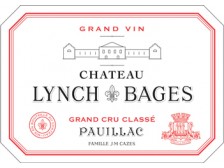
Apart from the first great classified growths, no other Bordeaux wine is as world famous as Lynch-Bages. Its worldwide success comes as much from its opulent, full-bodied and robust style, from its unfailing regularity since 1975, and from its media promotion orchestrated by Jean-Michel Cazes. Lynch-Bages was the first wine sent into space (Discovery shuttle in 1985). It is even said that it is him who gave the taste of Bordeaux to the Americans!
Vinous (N. Martin) : 96-98/100 "The 2025 Lynch-Bages [...] has a stunning bouquet with exceptionally pure blackberry, cassis and subtle violet scents, the oak seamlessly integrated. The palate is medium-bodied with finely embroidered tannins, perfect acidity, a touch of cedar and black pepper that dovetails into a peacock's tail finish that “clings” to the mouth. This continues the strongest run from Lynch-Bages since the 1980s and, perhaps with the 2025, it is close to surpassing that."
Vinous (A.Galloni) : 95-97/100 "The 2025 Lynch-Bages is a wine only very patient consumers should contemplate. Dark and explosive, with incisive tannins, the 2025 is quite the powerhouse. Huge beams of tannin lend serious intensity and power. In many warmer years, this level of richness is accompanied by commensurately high alcohols and viscosity, but the 2025 is built around fairly classic lines, which only reinforces its sheer brawn."
La Revue du Vin de France : 95-97/100 “Spectacular in its depth of flavour and powerful attack. It consistently unfurls waves of black fruit and fresh mint, with an intense and highly expressive character. Intense, precise and full-bodied, it is underpinned by perfectly integrated tannins and lingers on a juicy and very persistent finish.”
Bettane+Desseauve : 95-96/100 “Explosive on the nose with ripe fruit, cedar and minty notes, offering great density and depth. The imposing tannic structure is perfectly controlled, underpinned by rich body, fruit and immense length. A great wine with excellent ageing potential.”
J-M Quarin : 95/100 "Full-bodied on the attack and on the palate, with good flavour and a tight yet delicious tannic structure, the wine melts on the finish. It ends with a lovely, fragrant length and a touch of positive austerity."
More- Availability:
- Early 2028
- Alcohol degree:
- 13%
- Merlot:
- 28%
- Cabernet Sauvignon:
- 66%
- Cabernet Franc:
- 3%
- Petit Verdot:
- 3%
-
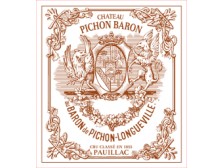
Bought in 1986 by the AXA group, initially under the leadership of Mr. Cazes (Lynch-Bages), Pichon-Longueville Baron regained its best form in the powerful and distinguished style of the great Pauillac. It must be said that a small half of its vines are located next to those of Latour, on a first growth terroir! For the Revue du Vin de France: "Pichon-Baron is at the top in the last vintages".
J-M Quarin : 99/100 “It gains depth when swirled. Ultra-precise on the palate, particularly flavourful in the mid-palate, complex and quintessentially Pauillac, this refined (with a hint of new oak) and noble wine, with great density, starts off tight before slowly opening up. It develops into a long, complex and deep finish, with a lush and multi-faceted aftertaste. Wow!”
Vinous (A. Galloni) : 96-98/100 "Silky, aromatic and layered in the glass, the 2025 Pichon Baron is a total stunner. What a wine. Sweet red cherry/plum fruit, blood orange and rose petal are some of the many notes that caress the palate. Hints of pomegranate, mint and exotic spice appear later, adding layers of nuance. The wine's striking mid-palate sweetness and overall balance are the stuff dreams are made of. This is exquisite."
La Revue du Vin de France : 96-97/100 “Impressive for its definition and aromatic purity. The explosive nose opens with a broad palette of black and red fruits, complemented by delicate floral notes. The palate is long, built around very fine-grained tannins. A wine that is at once powerful, precise and distinguished, with a rising finish full of vigour.”
Bettane+Desseauve : 96-97/100 “The wine’s expressive terroir and the quality of its aromas define this great Pauillac, which has a very bright future ahead of it. Another success story that remains true to the estate’s powerful and distinguished style.”
Vinous (N. Martin) : 95-97/100 "The 2025 Pichon Baron has a subtle estuarine/sea spray element that intertwines with the mélange of red and black fruit. The Merlot is actually more expressive than recent vintages. The palate is medium-bodied, with grainy tannins, lovely crispness and elegance, gaining depth as it moves into its final third. Slightly chalky tannins (a leitmotif of the vintage, especially in Pauillac), gentle grip, with an almost mellow finish, suggest that it might be earlier drinking than the 2019 or 2022. Superb."
More- Availability:
- Early 2028
- Alcohol degree:
- 13%
- Merlot:
- 16%
- Cabernet Sauvignon:
- 84%
-
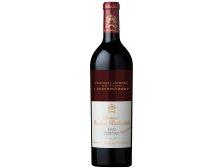
Mouton-Rothschild's upgrade in 1973 from second to first grand cru classé was as legitimate as it was deserved in view of the quality of its terroir, a plateau of 90 hectares of deep gravel to the north of Pauillac, with Lafite-Rothschild as a neighbor. Despite this promotion, and even though it regularly tops the rankings in tastings, Mouton-Rothschild remains to this day the least expensive of the Médoc's premier crus classés. Its powerful, full-bodied style and its ability to age well have led Mr. Bettane to write "perhaps the most formally perfect wine in the Médoc...".
Terre de Vins : 98-99/100 Coup de ♥ "98% Cabernet Sauvignon, a historic record for Mouton Rothschild. The prince of the Médoc reigns supreme in the blend of this 2025, and his signature is unmistakable: intense, deep, powerful and distinguished, unfolding a velvety blackcurrant flavour edged with notes of graphite, peony and Indian ink. The palate is superbly balanced between creaminess and vitality, structured around a highly precise tannic framework, supported by a mentholated freshness that accompanies the body throughout, right to the delicately powdery finish. The length is remarkable.”
Bettane+Desseauve : 97-98/100 “A superb nose of perfectly ripe Cabernet Sauvignon, oscillating between black and red berries. The full body and vibrant finish are already impressive. A great wine that will require patient ageing.”
La Revue du Vin de France : 97-98/100 “A great Mouton was born in 2025. With an unprecedented level of Cabernet (98%), it captivates with an incredibly juicy and refined profile, blending sumptuous creaminess with delicately smoky notes of great elegance. On the palate, it impresses with its class, its balance and its remarkable smoothness. A major asset: an exceptionally savoury finish, at once minty, lingering and intensely fruity.”
J-M Quarin : 97/100 “Meticulous on the palate, highly aromatic on the mid-palate, with a refined texture, the wine develops powerfully and is slightly more austere than expected. It has a long, lively finish, with a touch of tannic astringency sitting on top of the fresh, creamy flavour rather than beneath it.”
Vinous (A. Galloni) : 96-98/100 "The 2025 Mouton Rothschild is dense and brooding. Although naturally very, very young, all the elements are so well put together. The 2025 is 98% Cabernet Sauvignon, the most Cabernet ever in the Grand Vin, and that very much comes through in the wine's structure and overall presence. Graphite, lavender, rose petal and menthol build into the rich, heady finish. There's a ton of potential here. »
Vinous (N.Martin) : 95-97/100 "The 2025 Mouton Rothschild has a very pure and controlled bouquet, "cool" black fruit, a light estuarine influence (oyster shells shucked down on the beach in Arcachon?) that filter through the blackberry and cassis fruit. Wonderful delineation. The palate is medium-bodied with fine tannins that feel a little more rounded and suppler than the 2025 Lafite Rothschild tasted just prior. There is a luxuriant aspect, the signature of Mouton Rothschild that differentiates it from the other First Growths, not plush but perhaps a little more flattering at this very early stage thanks to its patina of creaminess. In a sense, it is quintessential Mouton Rothschild and should age extremely well in bottle."
More- Availability:
- Early 2028
- Alcohol degree:
- 13%
- Merlot:
- 2%
- Cabernet Sauvignon:
- 98%
-
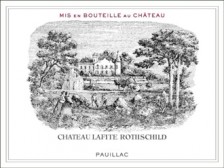
Appointed cellar master in 1994, Mr. Chevallier focused on developing Lafite-Rothschild wines without losing any of the characteristic bouquet of blackcurrant, graphite and cedar. This objective was quickly achieved, placing Lafite at the top of the 1st classified growths (this was already the case in 1855), and revered as such by the Chinese market. The incredible qualities of Lafite's terroir make it a unique vintage and give Cabernet Sauvignon (more than 90% present each year) its most beautiful aromatic expressions.
The great 2020 vintage was awarded the supreme score of 100/1000 by the Revue du Vin de France: "Spectacular, bordering on perfection".
J-M Quarin : 100/100 “A style reminiscent of Pessac wines. Ultra-full-bodied on the attack, complex as it develops, rich on the mid-palate and, above all, very, very aromatic, with a noble finish; the wine caresses the palate with a creamy texture evoking raspberries. It never lets up, elegant, deep and utterly irresistible. An incredible presence given the low alcohol content of just 12.5%. Pure seduction!”
Terre de Vins : 99-100/100 Coup de ♥ "Impressive. Deep and vertical, vibrant and precise in its multifaceted character—such is Lafite 2025. A harmonious blend of the best of all worlds (2022, 2020, 2016, 2010) in a truly complete package. On the palate, it’s like static electricity: a volume of substance that strikes immediately with a punch, à la Muhammad Ali. Powerful yet light on its feet, it strikes and dodges on a quivering tannic texture, like a wave of salty pixels, leaving a dotted line of powdery sensations, evoking menthol and graphite.”
Vinous (N. Martin) : 98-100/100 "The palate is medium-bodied with finely chiselled tannins. It is blessed with extraordinary harmony and it is so well balanced that you almost overlook the weight and minéralité towards the finish. Just a dab of graphite lingers on the aftertaste. This is a very succinct and refined Lafite-Rothschild that I suspect will drink earlier than the 2022, yet will age with equal grace in bottle. I admit that, upon returning to my car, it was only then that I realised what a brilliant wine the 2025 Lafite-Rothschild is destined to become."
Bettane+Desseauve : 98/100 “Extremely refined, masterful in its perfect balance and the already remarkable integration of oak. The terroir comes through with rare clarity in a style of immense distinction.”
Vinous (A. Galloni) : 97-99/100 "The 2025 Lafite-Rothschild is powerful and explosive in the glass. Dark cherry/plum fruit, graphite, new leather, graphite, licorice and lavender race across the palate. A Pauillac of mid-weight structure, the 2025 impresses with its tension and deep, layered personality. Even in the early going, the Grand Vin is so vivid, so expressive. I can't wait to taste it in finished form. For those who love data."
La Revue du Vin de France : 94-95/100 “Once again, Lafite stands out for its elegance and airy style, which is particularly fresh, subtle and easy to drink (12.5% ABV). The purity of the fruit and the precision of a laser-sharp palate make an immediate impression. The balance is masterful, the finish long, briny, refined and of immense complexity. Whilst it may not be the most powerful, it undoubtedly takes the prize for distinction.”
More- Availability:
- Early 2028
- Organic certification:
- 2024
- Merlot:
- 5%
- Cabernet Sauvignon:
- 94%
- Petit Verdot:
- 1%
-
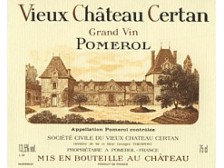
Vieux Château Certan is one (the last?) of the very few Bordeaux grands crus where the owners, Alexandre Thienpont and his son Guillaume since 2011, are still the only cellar masters on board. Thanks to its Cabernet Franc (30% on average), Vieux-Certan offers a firm, distinguished and refined version of Pomerol, closer to Lafleur than Petrus. Its 2022 vintage has been showered with praise, as in Vinous, where the two tasters (Galloni and Martin) each rated it 100/100.
Bettane+Desseauve : 96-97/100 “Blackcurrant, bigarreau cherry and dried immortelle create a rich bouquet. Structured, refined and long-lasting, it follows in the footsteps of the exceptional 2018 vintage.”
Vinous (N. Martin) : 95-97/100 "The 2025 Vieux Château Certan is raised in two-thirds new oak, the remainder one-year-old. The Merlot sculpts the bouquet with perfumed red cherries, raspberry, cassis and pressed violet scents that gain intensity in the glass. The oak is seamlessly integrated. The palate is medium-bodied, with powdery tannins on the entry. This must be one of the most peppery VCCs that I have tasted, poivre noir from the Cabernet Franc component. Quite structured, with chalky tannins on the finish, almost as if it came from more limestone soil."
Vinous (A. Galloni) : 93-96/100 "The 2025 Vieux Château Certan is not in the mood to show all its cards. Today, the 2025 shows tons of textural richness and body, but not quite the delineation or energy of the best vintages. Black-toned fruit, gravel, incense, mocha and chocolate are generous in the glass. Ripeness feels pushed to the edge, with fruit perhaps picked a bit later than ideal. But this is a barrel sample, with the wine racked just three weeks prior to my visit. I won't be surprised if this shows better from bottle, but today, this is my impression."
More- Availability:
- Early 2028
- Alcohol degree:
- 14%
- Merlot:
- 80%
- Cabernet Sauvignon:
- 5%
- Cabernet Franc:
- 15%
-
Mrs Papon-Nouvel's other grand cru (with Petit Gravet Aîné). Same organic culture, same sensitivity, same style, with extra flesh and depth. Great wine! Great wine, logically promoted to grand cru classé in 2022.
Bettane+Desseauve : 96-97/100 “This silky wine is underpinned from start to finish by a refined mineral energy. It has the calibre of a Grand Cru Classé. A real favourite.”
Vinous (A. Galloni) : 95-97/100 « Clos Saint-Julien is magnificent in 2025. What a wine. Inky and explosive in the glass, but not at all heavy, Clos Saint-Julien has so much to offer. It's classic Saint-Emilion all the way. Plush contours and silky tannins totally envelop the palate. »
J-M Quarin : 95/100 « Couleur noire. Nez intense, fin, fruité, pur et subtil. Velouté dès l'entrée en bouche, avec de l'éclat dans la saveur et un déroulé au toucher raffiné, le vin évolue riche et profond en finale, avec une incroyable concentration aromatique. C'est délicieux. Cette minuscule propriété d’1,54 hectare fait merveille. »
Vinous (N. Martin) : 89-91/100
More- Availability:
- Early 2028
- Organic certification:
- 2011
- Alcohol degree:
- 14%
- Merlot:
- 50%
- Cabernet Franc:
- 50%
-
An ultra-refined great wine, with a mineral tension that is out of the ordinary in Bordeaux, the fruit of the great terroir of the Côte Pavie, but also of the complicity of Mr Nicolas Thienpont and Mr Stéphane Derenoncourt since 1994.
Terre de Vins : 96-98/100 Coup de ♥ "This 2025 is a wine of great stature. From the very first sniff, it displays depth and nobility, with richness and aromas centred on violets and elderflower. The attack is striking, the tannic structure coats the palate, and the tension is monumental. A truly great wine destined for the history books. This blend of 78% Merlot, 20% Cabernet Franc and 2% Cabernet Sauvignon has a very low pH, a result of the limestone terroir which imparts a tension found nowhere else. A truly great bottle, matching the quality of the vintage.”
Bettane+Desseauve : 96/100 “Already in fine form, it combines restrained power, a deep, silky texture and mineral energy. Ripe fruit and mineral notes linger on the palate. A must-have for wine lovers.”
J-M Quarin : 96/100 “A hint of resin when the glass is swirled. Delicate on the palate at first, flavourful in the mid-palate, with a lovely development and a slightly resinous flavour, the wine caresses the palate. It is long, flavourful and aromatic, with a consistently rich texture and well-integrated tannins.”
Vinous (A. Galloni) : 95-97/100 "The 2025 Pavie Macquin is a powerful, structured wine. In most vintages, Pavie Macquin is sensual and silky, but the 2025 is quite tannic in this tasting. Dark-fleshed fruit, chocolate, menthol, licorice, sage and lavender add to an impression of brooding density and pure power. Floral top notes lift the close. I can't wait to see how this ages."
La Revue du Vin de France : 93-96/100 “Right from the nose, you’re immersed in the intense limestone character typical of the terroir, with the minerality taking precedence over the fruit. The balance is particularly striking in its freshness, thanks to the 22% Cabernet. Powdery tannins envelop a medium-bodied wine defined by its mineral tension, with a finish reminiscent of blood orange.”
More- Availability:
- Early 2028
- Alcohol degree:
- 14%
- Merlot:
- 78%
- Cabernet Sauvignon:
- 2%
- Cabernet Franc:
- 20%
-
Troplong-Mondot and its formidable terroir dominate Saint-Émilion both literally (the commune's water tower adjoins the winery) and figuratively. Led by Aymeric de Gironde (formerly of Pichon-Baron and Cos d'Estournel) and benefiting from generous investment from reinsurer SCOR since 2016, Troplong-Mondot shines brightly, producing wines that are consistently fresh, flavourful and refined despite their high concentration.
Vinous (A. Galloni) : 97-99/100 "The 2025 Troplong Mondot is one of the most finessed wines I have ever tasted here. Dark, ample and explosive, with mind-blowing purity, the 2025 simply has it all. Hints of dried herbs, chocolate, menthol, licorice and blackberry infuse the wine with remarkable concentration and pure power. Even with all its natural richness, the 2025 is not at all heavy. A totally stunning Saint-Émilion, Troplong Mondot is very clearly one of the wines of the vintage."
Bettane+Desseauve : 97/100 “Blackcurrant, cedar and smoky notes open up an intense bouquet. The concentrated palate unfolds gracefully, with a perfectly balanced richness. A great success in this vintage.”
Vinous (N. Martin) : 96-98/100 "The 2025 Troplong Mondot is has a very intense bouquet with black cherries, cassis and iris flower scents, and a hint of inkwell. Very well defined. The palate is medium-bodied with chalky tannins, plenty of tension and minéralité. Vivacious and yet linear and correct, it delivers plenty of fruit but in a very controlled fashion. You can feel the tongue tingling on the finish. Classy and sophisticated, this will rank as one of the finest Troplong Mondots to date."
La Revue du Vin de France : 94-96/100 “It plunges into the local clay soils, with an intense mineral character, all delivered with aromatic precision and well-defined tannins. The texture is full-bodied and airy, with a crisp sensation, prolonged by an intense chalky salinity and hints of dried herbs.”
More- Availability:
- Early 2028
- Alcohol degree:
- 13.5%
- Merlot:
- 85%
- Cabernet Sauvignon:
- 13%
- Cabernet Franc:
- 2%
-
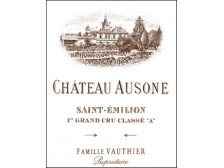
Ausone masterfully expresses all the glory of Cabernet Franc on limestone slopes. Alain Vauthier, now assisted by his children, has always managed Ausone's 7 hectares like a (very) grand cru Burgundy: row by row, even vine by vine. It is impossible to resist the indescribable complexity of Ausone's bouquet, floral and fruity, spicy and liquorice-like, as well as the incredible depth of its fresh and sumptuous finish. Masterful!
Bettane+Desseauve : 99/100 "With its unique blend, this Ausone marks a turning point. Peony, wild strawberry, Kampot pepper and mineral notes combine to create a fine wine that is delicate, chalky and silky, and built to age for many years."
J-M Quarin : 98/100 “Delicate on the palate from the very first sip, with a subtle richness that coats the palate, the wine is smooth, juicy, meticulous and sophisticated. After the mid-palate, it rises to a finish with a touch of positive austerity. Excellent length.”
La Revue du Vin de France : 96-98/100 "Ausone makes the most of its limestone terroir, delivering a depth and a level of finesse that are rare. With 65% Cabernet Franc, the tannins are perfectly delicate, with a remarkable length reminiscent of elderflower. As the 2025 vintage has yielded a single label, the second wine, Chapelle d’Ausone, will not be produced this year.”
Vinous (N. Martin) : 96-98/100 "The 2025 Ausone represents the entirety of the vineyard this year after trial blends convinced the Vauthiers not to make a Chapelle d’Ausone. There is also 5% Cabernet Sauvignon in the blend for the first time. Almost immediately, I noticed how that soupçon of Cabernet Sauvignon tilts the style of the Grand Vin in a different and, to my mind, positive direction. Beautifully defined, a little more sapid, perhaps just a tad less precocious than usual, there is a sense of classicism in this Ausone that I admire, terroir over growing season perhaps? The palate is medium-bodied with pliant tannins, real depth, silky smooth, with layers of blackberry and raspberry fruit and hints of white pepper and clove. Very long, with a peacock's tail on the finish, this is a fascinating and alluring Ausone that will age with style."
Vinous (A. Galloni) : 95-97/100 "The 2025 Ausone is powerful, dense and packed to the core. Readers will have to be patient with the 2025, as it is quite reticent. Time in the glass brings out hints of blood orange, rose petal, mint and raspberry jam. It will be fascinating to see how the 2025 ages."
More- Availability:
- Early 2028
- Organic certification:
- 2023
- Merlot:
- 30%
- Cabernet Sauvignon:
- 5%
- Cabernet Franc:
- 65%
-
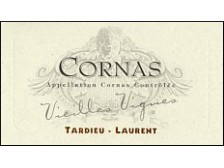
Since 1994, Michel Tardieu has been selecting and growing wines from very old vines and from the best terroirs of each appellation. Associated until 2007 with Dominique Laurent, known for the concentration of his Burgundy wines, Michel Tardieu has, because of the innate richness of the Rhone Valley wines, always sought to favour elegance and aromatic complexity in his selections.
Promoted two stars in the 2022 Revue du Vin de France guide.The rare Cuvée Vieilles Vignes is uncompromising, with Syrahs aged from 80 to over 100 years on two plots of land on the hillside, vinified 75% in whole clusters. Expect at least 15 years of cellar ageing.
More- Availability:
- Early 2028
- Alcohol degree:
- 13.5%
- Blend:
- 100% Syrah
-
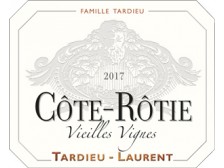
Since 1994, Michel Tardieu has been selecting and growing wines from very old vines and from the best terroirs of each appellation. Associated until 2007 with Dominique Laurent, known for the concentration of his Burgundy wines, Michel Tardieu has, because of the innate richness of the Rhone Valley wines, always sought to favour elegance and aromatic complexity in his selections.
Promoted two stars in the 2021 Revue du Vin de France guide.A new cuvée created in 2017, a Côte-Rôtie Vieilles Vignes from the heart of the hillside on the major terroirs of the Côte Brune. Phenomenal concentration, energetic tannin, a compact but refined wine, to wait at least 10 years before considering tasting.
More- Availability:
- Early 2028
- Alcohol degree:
- 13.5%
- Blend:
- 100% Serine